Thailand elephant riding has been sold as a bucket-list experience for decades. Travel brochures made it look magical. Travel brochures portrayed the scenario as something out of a fairy tale. Visitors just hopped on without a second thought. And for quite a while, the elephant-riding tourism business in Thailand had very little incentive to undergo any change.
However, the topic of discussion has undergone a major shift. Tourists are now putting forward tougher questions. And the replies, once you come across them, are truly quite hard to turn a blind eye to.
Why Is Thailand Elephant Riding So Common In Tourism?
Elephant riding in Thailand is not just a recent trend. It is the logical outcome of a long-standing interaction between elephants and Thai culture.
Human-elephant cooperation dates back centuries in Thailand. Elephants were used to move timber through thick jungle, decorate royal residences, and even fight wars. The mahout (elephant trainer) system and an elephant form a close lifelong relationship. Therefore, both enjoy great honor and remain an intimate part of Thai life.
After the logging industry effectively ended in 1989 following a nationwide ban, a large number of domestic elephants were left with no specific role. Their mahouts lost their source of livelihood. The tourism industry filled this sudden void very handily.
Elephant facilities sprang up like mushrooms in Chiang Mai, Phuket, and Krabi. Riding was chosen as the main feature because it was eye-catching, thrilling, and straightforward to market. Tourists desired the experience, so operators delivered that. The elephant’s well-being was hardly a priority at all.
This background is important. It accounts for the situation where Thailand’s elephant riding got normalized, not due to intentional cruelty but because economic pressures combined with rapidly growing tourism virtually without any regulation.
What Is The Dark Side Of Thailand Elephant Riding Tourism?
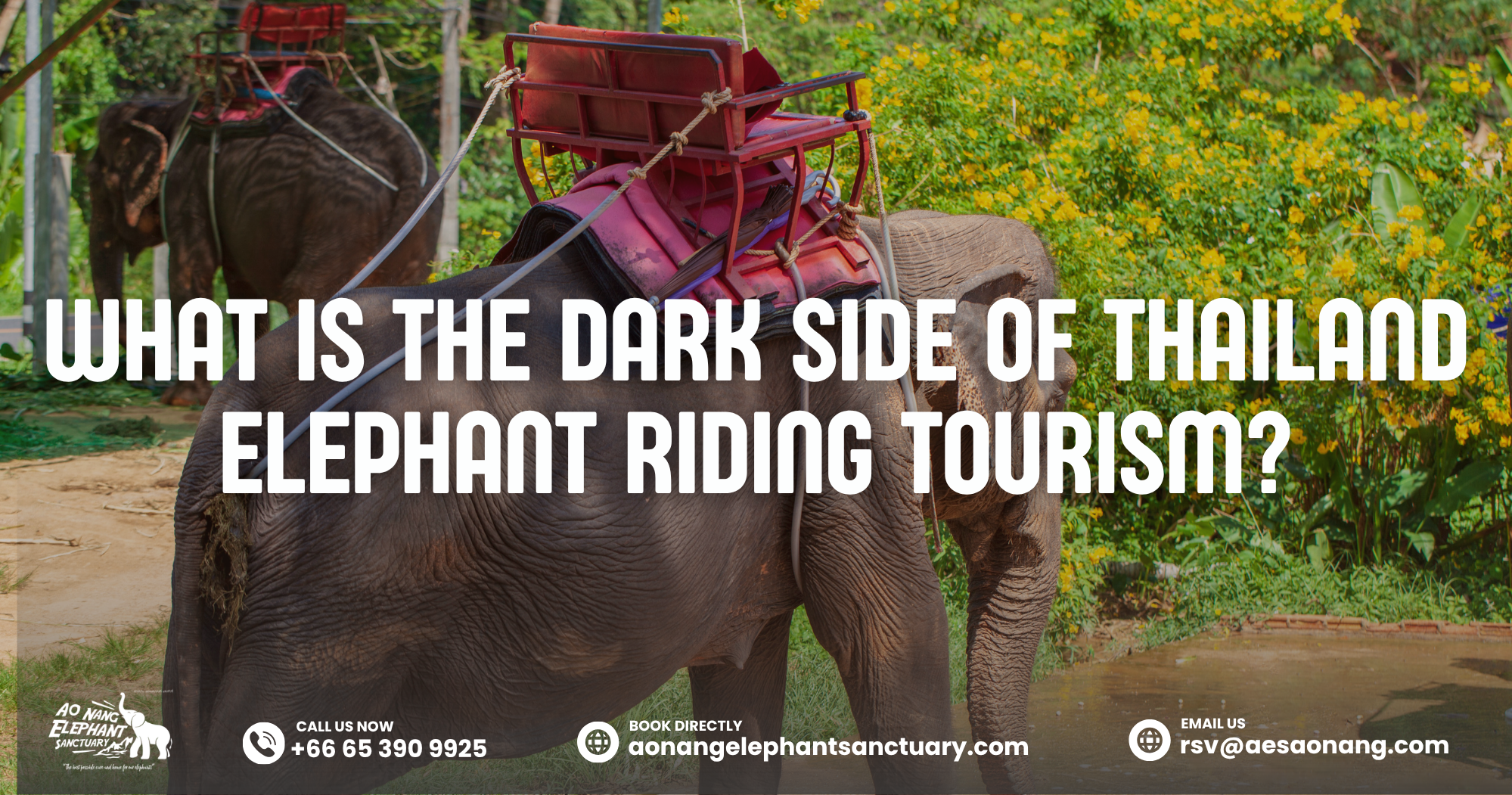
Many elephant-riding operations run on a fundamental lie: that elephants carrying tourists or performing tricks are happy participants. They’re not. They’re compliant, and compliance in elephants doesn’t come naturally. Operators manufacture it deliberately.
Behind most riding camps sits a system built entirely on control. Elephants that allow strangers to climb on their backs and follow commands on cue have undergone conditioning that leaves lasting marks, physical and psychological. That damage stays with them for life.
The stress is visible if you know what to look for. Repetitive swaying. Head bobbing. Blank, disengaged eyes. These aren’t personality quirks; they’re stress responses. They signal an animal that has emotionally shut down just to survive its environment.
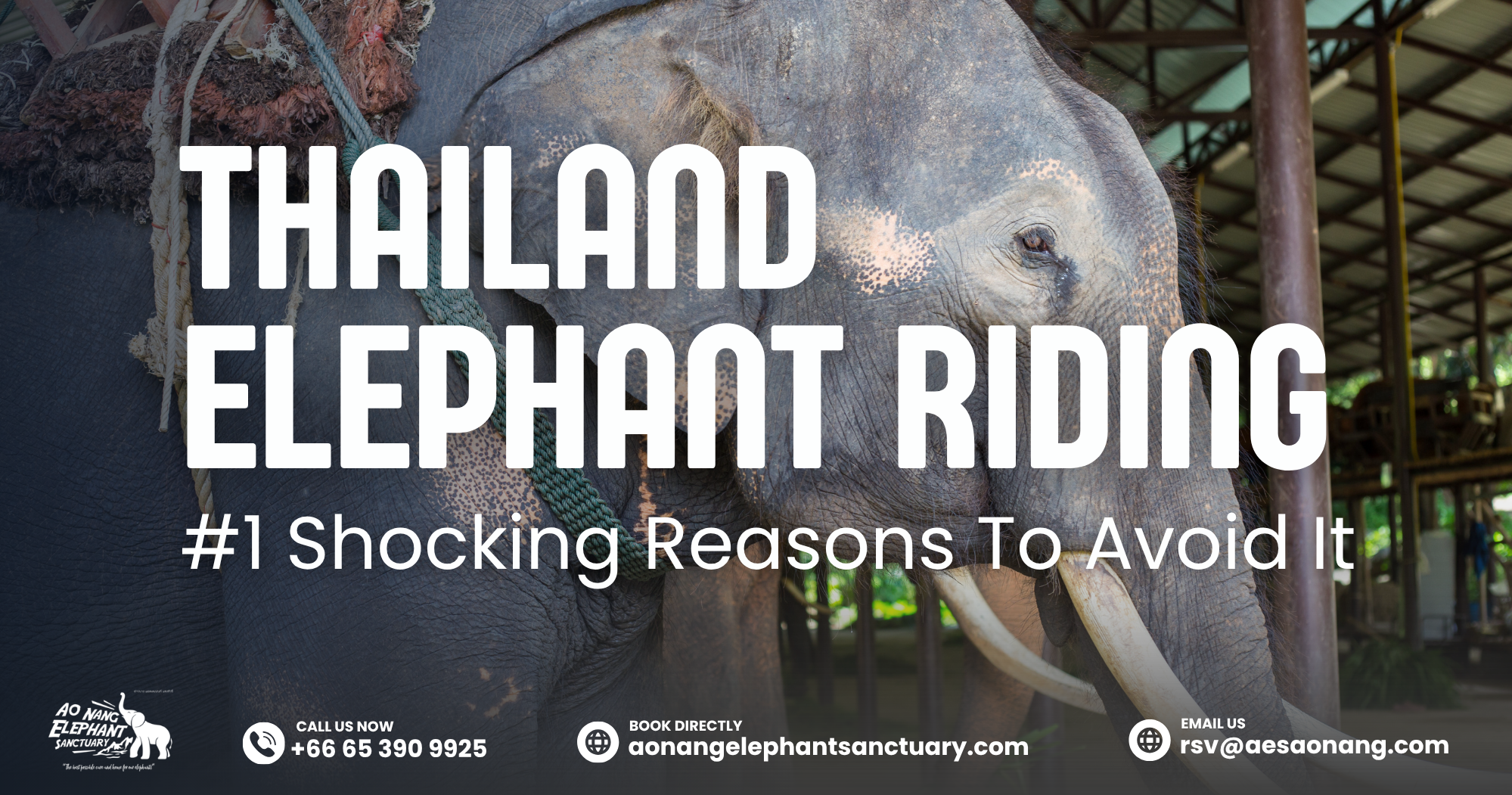
Thailand’s elephant riding operations also tend to overwork their animals consistently. Long hours under a howdah, the wooden seat strapped to an elephant’s back, cause spinal damage over time. Elephants aren’t anatomically designed to bear that kind of weight repeatedly. The spine curves downward, and tissue damage accumulates slowly because symptoms develop gradually, and operators ignore them.
How Are Elephants Broken For Thailand Elephant Riding?
The process carries the name “phajaan,” sometimes translated as “the crush.” Trainers use this traditional method to break an elephant’s spirit and establish human dominance. And it’s exactly as brutal as it sounds.
Trainers often target young elephants, sometimes only a few years old. They begin by separating calves from their mothers, an act that causes severe psychological trauma. Elephants form deep maternal bonds, so this forcible separation profoundly distresses both mother and calf.
Trainers then confine the calf in a small space. Sleep deprivation, food restriction, and physical pain follow over days or even weeks. The goal is to break the elephant’s resistance completely, teaching it that fighting back brings more pain, while compliance brings relief.
By the end of the process, the elephant cooperates. However, what looks like tameness is actually learned helplessness. The animal isn’t calm; it’s defeated.
Most elephants used in Thailand’s elephant riding operations have gone through some version of this process. Some camps use more modern language around their training methods. Nevertheless, the outcomes are often identical.
Knowing this completely changes how you see a riding elephant. The calm animal carrying tourists up a hillside never chose that life. Trainers conditioned it from a very young age, using methods that caused real and lasting harm.
What Do Ethical Thailand Elephant Sanctuaries Offer?
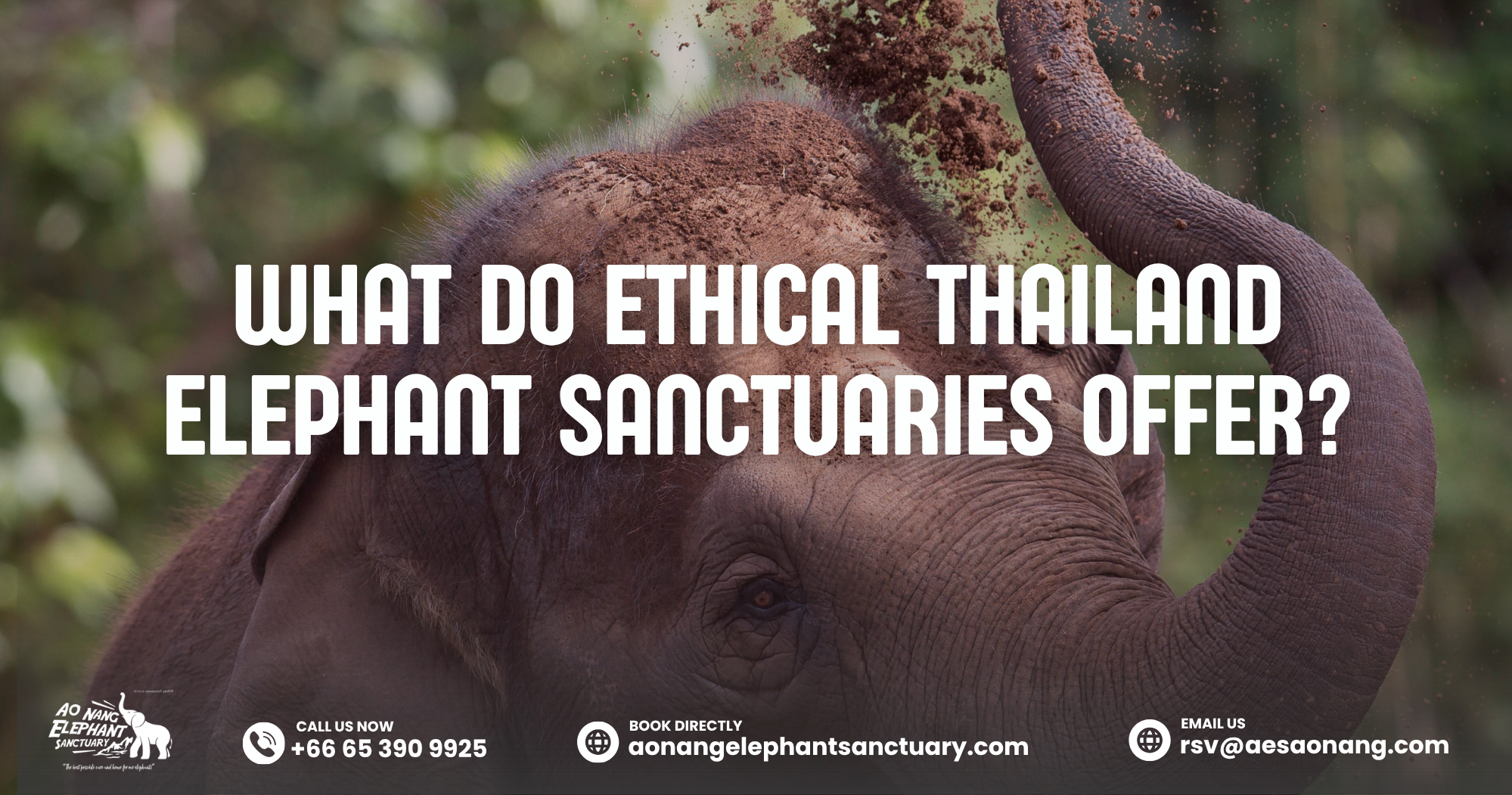
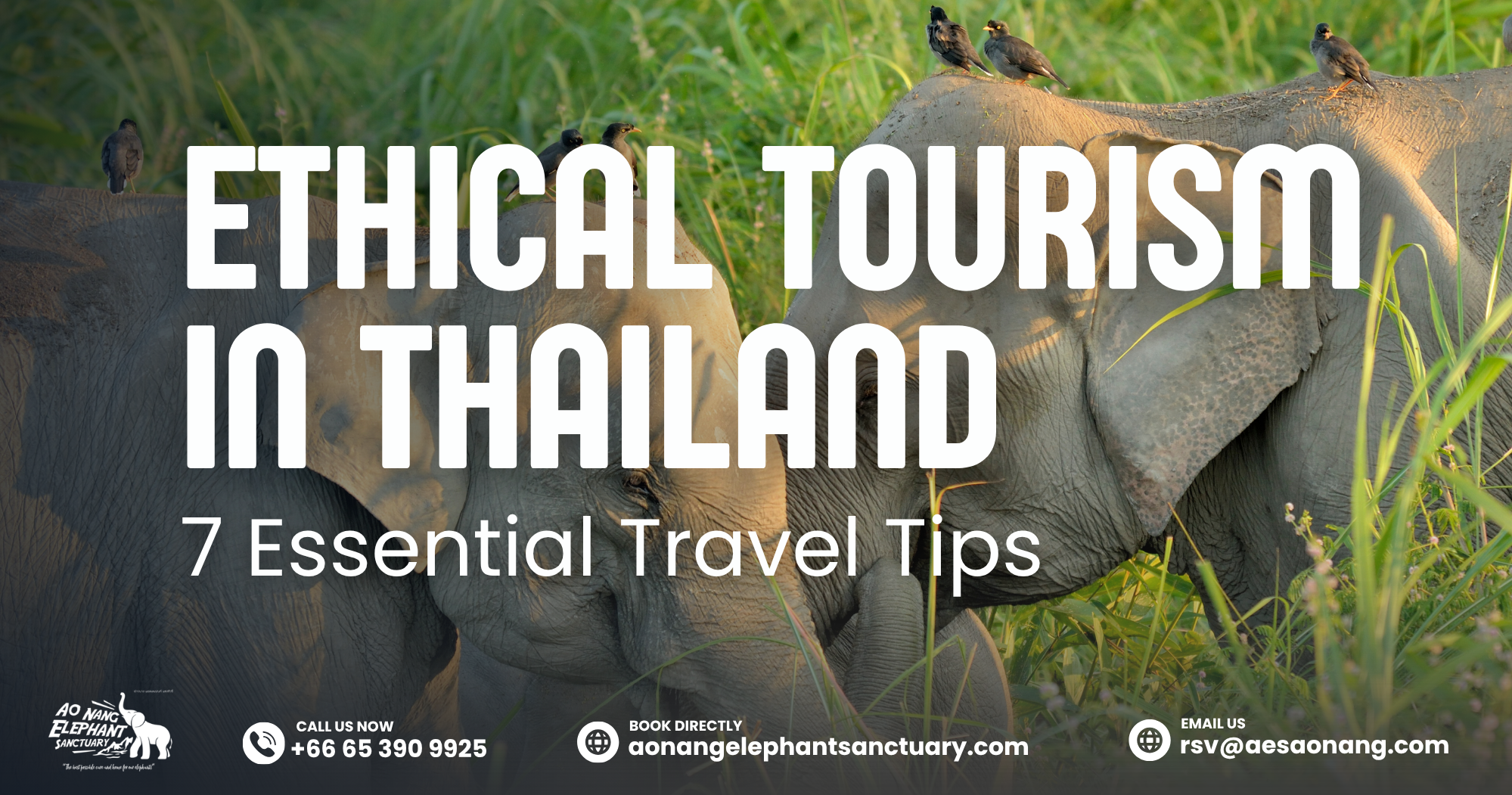
Ethical sanctuaries across Thailand have moved away from performance-based tourism entirely. Here, visitors spend time observing elephants in environments that actually suit them: open land, natural water sources, mud pools, and social groupings that reflect real herd behavior.
What visitors get in exchange is something far more authentic. Watching a free elephant choose to approach you feels completely different from sitting on top of one that has no choice. The first feels like a genuine connection. The second, once you understand the context, feels like the opposite.
Ethical venues let elephants set the pace at all times. Some days, an elephant wants to interact. Some days it doesn’t. This variability, this sense of genuine animal agency, is what makes the experience meaningful.
Feeding, observing natural bathing, and walking alongside elephants through forest terrain—these experiences don’t require dominance or control. They require patience instead, and they deliver something that a riding camp simply cannot.
At Aonang Elephant Sanctuary, that philosophy drives everything they do. Elephants live without performance pressure, riding equipment, or the fear-based conditioning that makes riding possible. Visitors leave having seen something genuinely real.
How Tourists Can Support Thailand Elephant Welfare
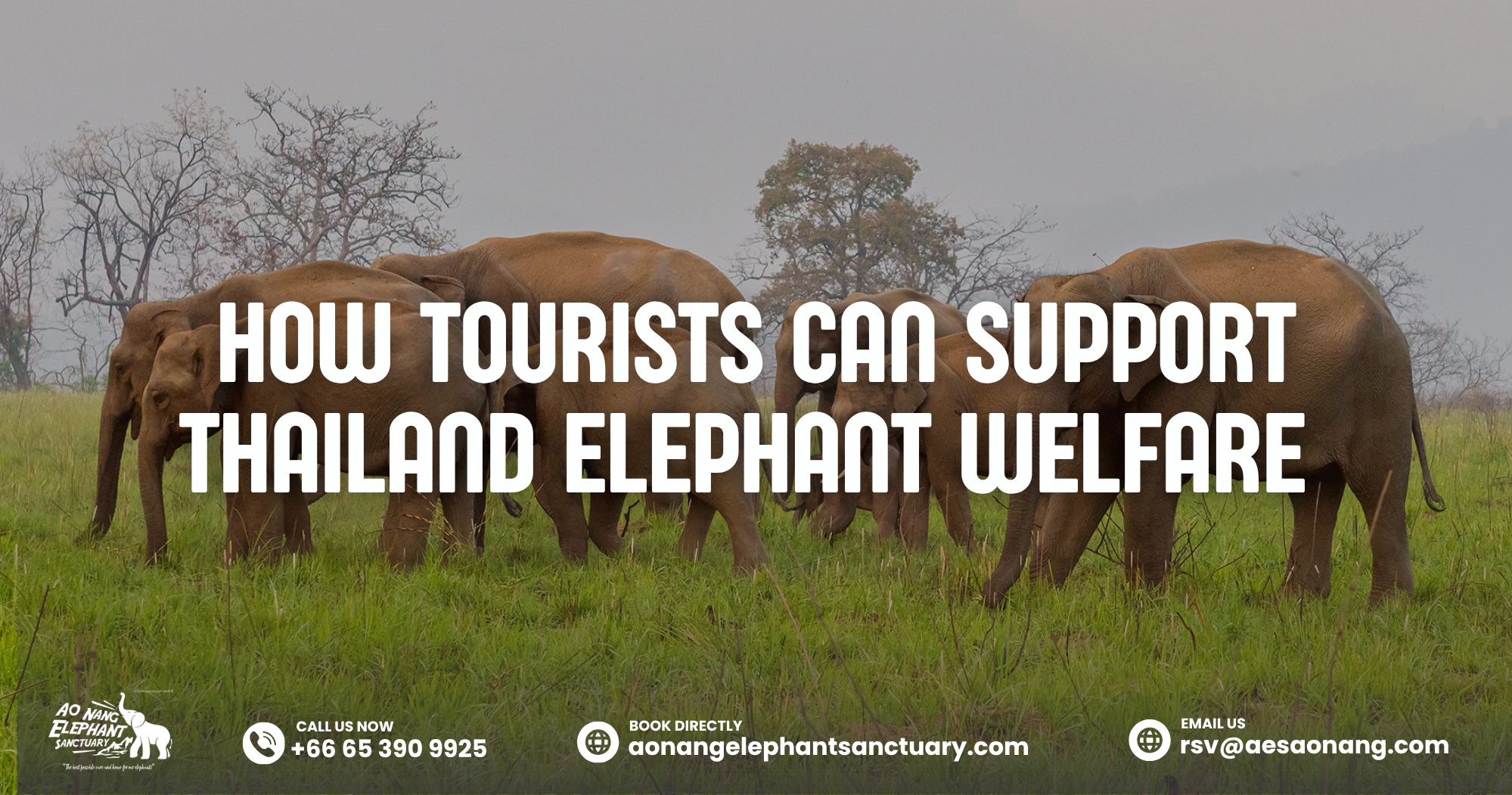
When tourists’ interest in riding elephants in Thailand declines, the remaining industry consists of those who either change their work or close down. On the other hand, ethical elephant sanctuaries that book their full limits of visitors willing to come will expand, upgrade the facilities, and affect the whole industry in a positive way. Hence, each booking is like a vote for a certain type of elephant tourism.
The real steps taken do make a lot of difference. First of all, does the truth sell? Check out sanctuaries that state on their official websites that they do not allow elephant rides or bullhooks. Also, directly ask questions about the capture and taming history as well as the daily life of the elephants. As a matter of fact, if after your questioning the operator becomes defensive or tries to avoid answering, his behavior will reveal something very significant to you.
Make your choice after due diligence. Aonang Elephant Sanctuary exemplifies the kind of Thailand elephant-riding alternative that really ethical tourism needs: the truthful one, welfare-centered, and wholly committed to the animals that it cares for. Check our website and ensure that your next vacation does something that really matters to the world.
Reserve your spot now to get a chance to meet Asian elephants!
- Phone: +66 65 390 9925
- Email: [email protected]
- Book directly at aonangelephantsanctuary.com