Thailand gets under your skin fast. The temples, the chaos, the kindness of strangers, the food that ruins you for everything else. Millions of people visit every year — and most of them leave wanting to come back.
But tourism at that scale carries weight. And ethical tourism in Thailand isn’t a fringe conversation anymore. It’s the question serious travelers are asking before they book anything. Knowing where to start, though — that’s the harder part.
What Is Ethical Tourism In Thailand?
Ethical tourism in Thailand means making choices about accommodation, food, wildlife experiences, and cultural interactions that leave something positive behind. It is not just about writing a good review. It is about creating actual benefits for communities, animals, and ecosystems that existed long before the tourism industry discovered them.
The tricky part is that Thailand’s tourism market has learned to speak the language of responsibility fluently without always practicing it. “Eco-friendly.” “Community-based.” “Sanctuary.” These words appear on websites for operations that range from genuinely admirable to quietly exploitative. The label means very little without the substance behind it. Learning to read between the lines is half the work.
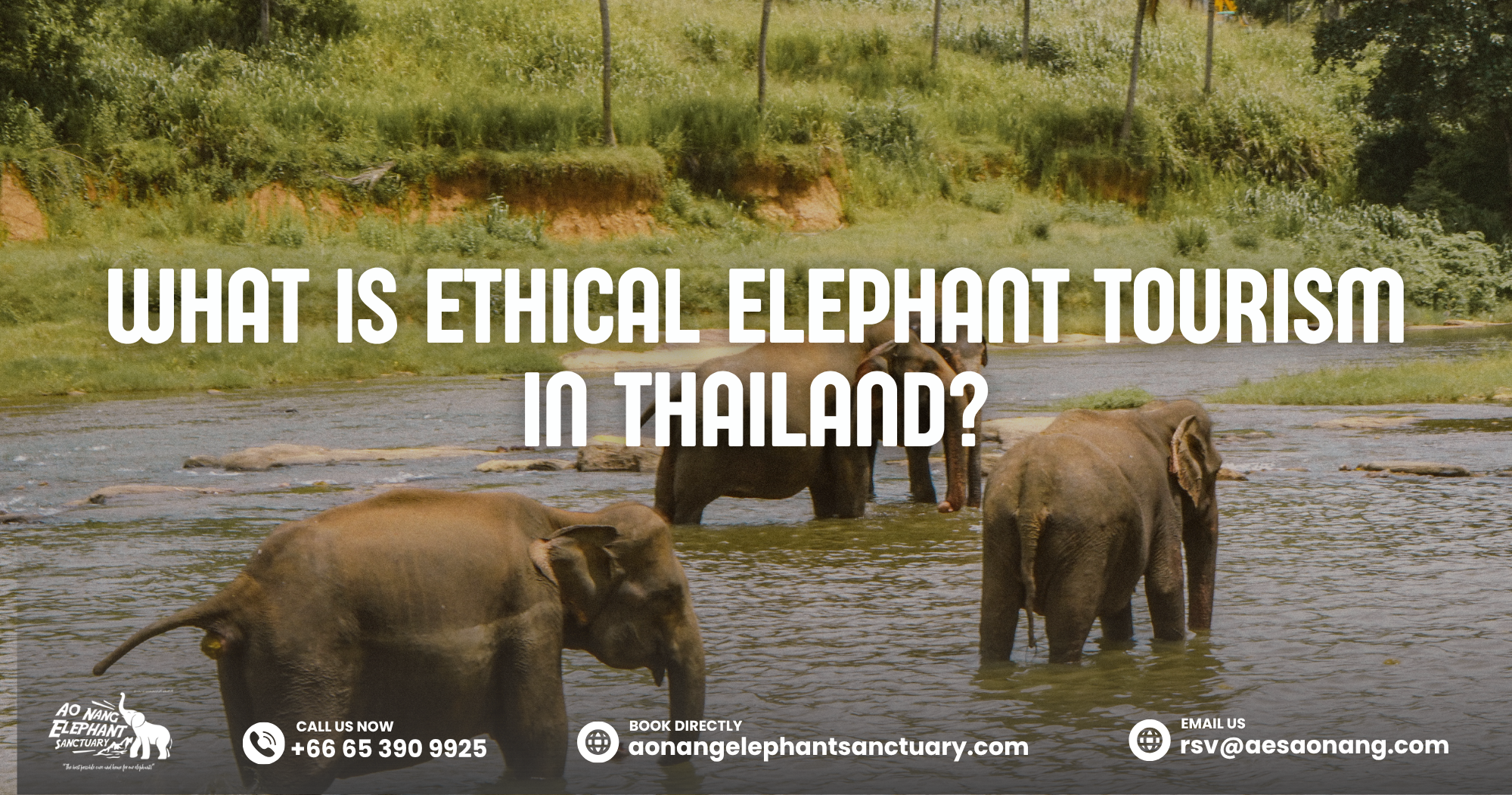
What Is Ethical Elephant Tourism In Thailand?
For a long time, elephant tourism in Thailand meant riding, performing, and painting. Tourists loved it. The industry grew around that love. And underneath it, a training system built on fear kept the whole thing functioning. Most visitors had no idea. They saw a calm, compliant elephant and assumed wellness. What they were actually seeing was the result of a breaking process called “phajaan,” something the brochures never mentioned.
That awareness has shifted significantly in recent years. Travelers now arrive asking different questions. Not “can I ride one?” but “is this place actually good for the elephants?” That shift in demand is slowly reshaping the industry — not fast enough, but genuinely.
Ethical elephant tourism looks quieter than the traditional version. No seats strapped to spines. No tricks performed on cue. Instead, there’s space, natural terrain, social groupings, and the slightly unpredictable experience of being near an animal that hasn’t been conditioned to perform for you. Some days an elephant wanders over. Some days it doesn’t. Both are fine. Both are real.
Aonan Elephant Sanctuary operates on exactly that philosophy. The elephants there aren’t managed for spectacle — they’re simply allowed to be elephants. Visit Aonang Elephant Sanctuary and see what that actually looks like in person.
Ethical Elephant Sanctuaries In Thailand: Spotting The Real Ones
Here’s the uncomfortable truth: the word “sanctuary” has been borrowed by operations that don’t deserve it. Genuine ethical elephant sanctuaries in Thailand share certain non‑negotiable qualities. No riding, no performances, no tricks, and no bullhooks visible on handlers. Elephants live in groups that make social sense, not groups assembled for logistical convenience. Visitors observe rather than choreograph the interaction.
Ask questions before you book. How did each elephant arrive at the sanctuary? What does a Tuesday look like — not a tour day, but an ordinary Tuesday? How does the sanctuary fund veterinary care? Ethical operations answer these questions without hesitation, because the answers hold up.
Watch the price point too. Genuine elephant care costs real money: land, nutrition, medical support, and trained staff. A suspiciously cheap elephant experience is cheap for a reason. Someone or something absorbs the difference.
Eco-Friendly Activities In Thailand Worth Your Time
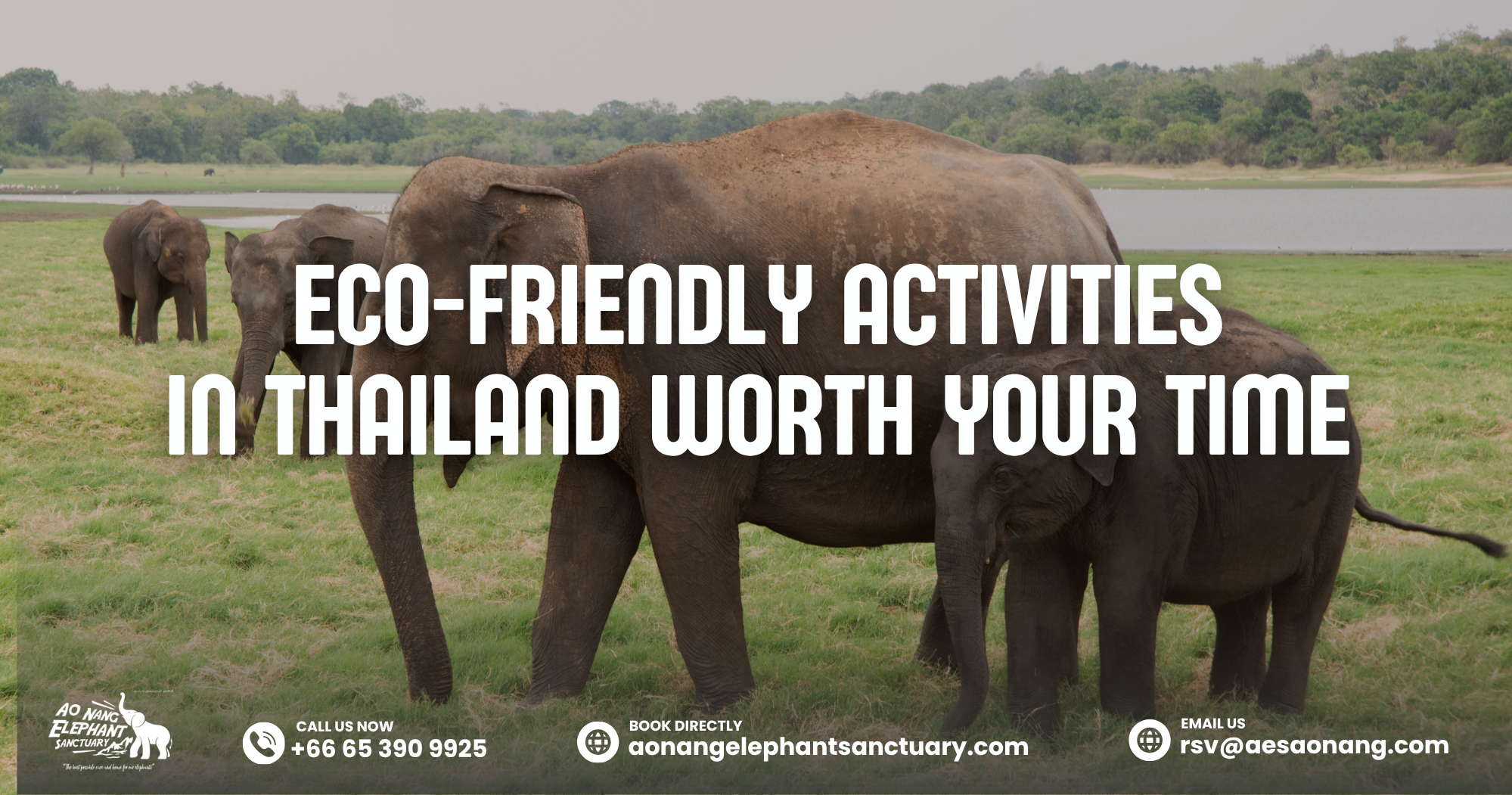
Responsible travel in Thailand isn’t a sacrifice. Some of the best experiences the country offers are also its most sustainable.
Responsible diving and snorkeling programs in marine protected zones around Koh Tao, the Similan Islands, and Koh Lanta operate under strict protocols. Small groups, no coral contact, and fees are channeled directly into reef conservation. You see more, you damage less, and the reef is fractionally better for your having been there.
Community trekking in northern Thailand puts money directly into the villages that guide you through their land. These are not packaged wilderness experiences with a local face slapped on them. They are genuine exchanges of food, language, landscape, and context, led by people who actually live there.
Mangrove planting programs along southern coastlines welcome short‑term volunteer participation. A morning in the mud planting seedlings alongside conservation workers is not glamorous. Yet it is one of the more honest things you can do with a free morning in Thailand.
How To Travel Responsibly In Thailand
Accommodation owned by local families keeps revenue within communities. International chains, however comfortable, funnel profits elsewhere. Guesthouses and boutique properties run by Thai families are often quieter and always more characterful, making them worth seeking out specifically.
Eat from the street and the night market, not the hotel restaurant that charges five times the price for a watered‑down version of the same dish. The economic logic is simple. The culinary argument is even simpler.
At temples, of which there are many, follow the dress codes without being asked. Shoulders covered, shoes off, voice down. These are not tourist inconveniences. They are basic signals of respect in spaces that matter deeply to the people who use them daily, not just when visitors are around.
On bargaining, be reasonable. A few baht means almost nothing to most tourists but can mean considerably more to a market vendor operating on thin margins at the end of a long day. Pay fairly. Tip when service is genuinely good. The gesture costs very little and lands well.
How Can Tourists Help Elephants In Thailand?
Money is the most direct lever. Booking ethical sanctuaries over riding camps sends a signal that the market understands and eventually responds to. Every visitor who chooses welfare over performance makes the welfare model fractionally more viable.
Beyond that, talk about it. Not in a preachy way, but practically. Many tourists who visit exploitative operations do so simply because nobody told them there was an alternative. A straightforward recommendation such as “skip the riding camp, go here instead” reaches more people than most formal campaigns.
Some sanctuaries offer adoption programs or monthly giving options that provide financial stability between tourist seasons. Those contributions matter particularly in the slower months, when visitors thin out but elephant care costs don’t.
How Do I Know If A Sanctuary Is Ethical?
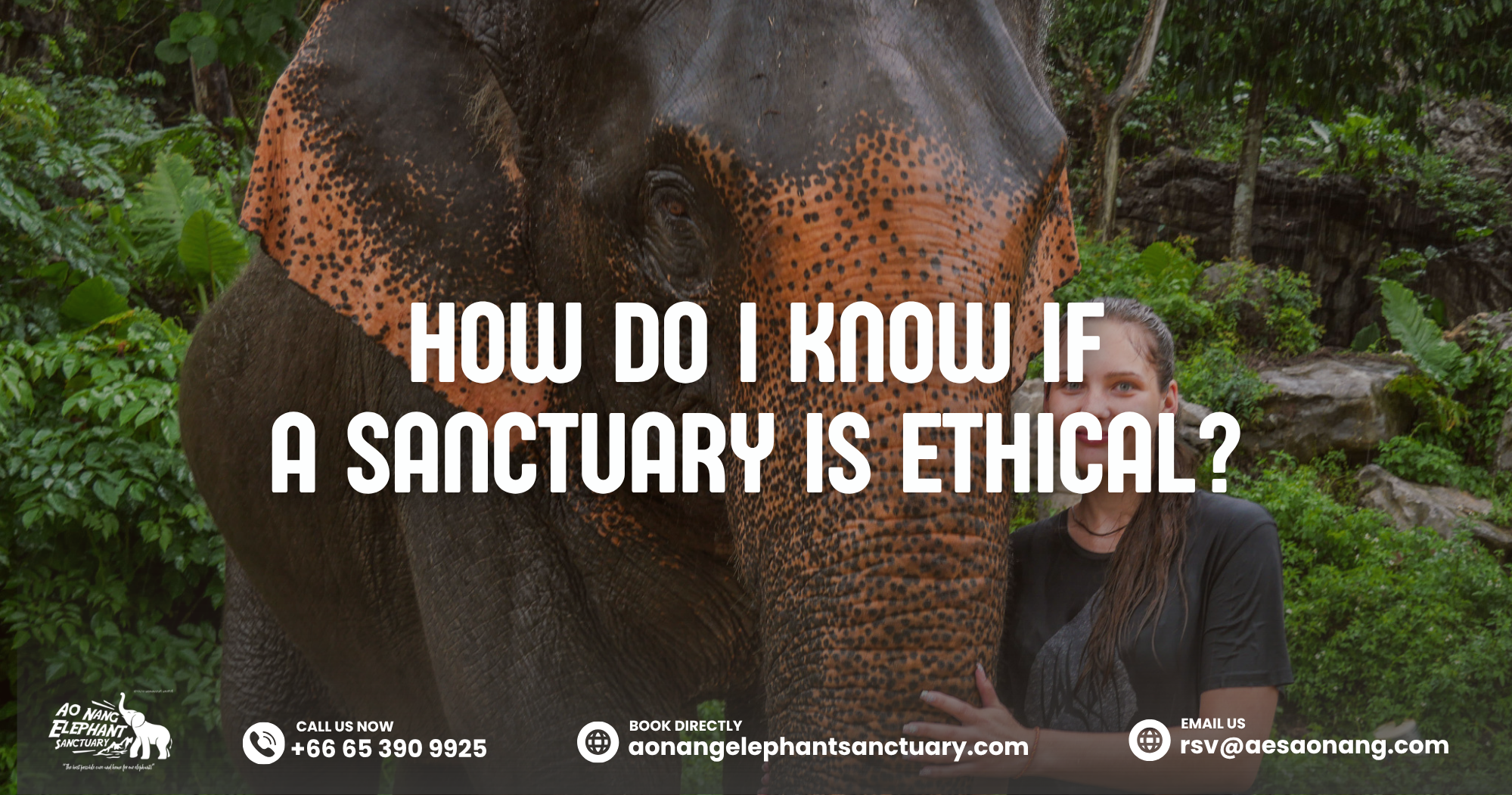
Ask about the training history of individual elephants. Ask what happens on days when the sanctuary is closed to visitors. Ask where veterinary support comes from and how often it happens. An ethical operation treats these questions as normal because they are. A defensive or evasive response tells you everything you need to know about what’s being protected.
On arrival, watch the elephants before you watch anything else. Repetitive swaying, head bobbing, and blank disengagement are stress signals. They are visible evidence of psychological wear that good conditions would have begun to ease.
Relaxed posture, natural social interaction between elephants, and unhurried movement tell a different story entirely.
Thailand’s elephant tourism is genuinely shifting. Operations that do it properly, like Aonang Elephant Sanctuary, deserve visitors. Show up, ask the right questions, and spend your money where it actually makes a difference.
Reserve your spot now to get a chance to meet Asian elephants!
- Phone: +66 65 390 9925
- Email: [email protected]
- Book directly at aonangelephantsanctuary.com