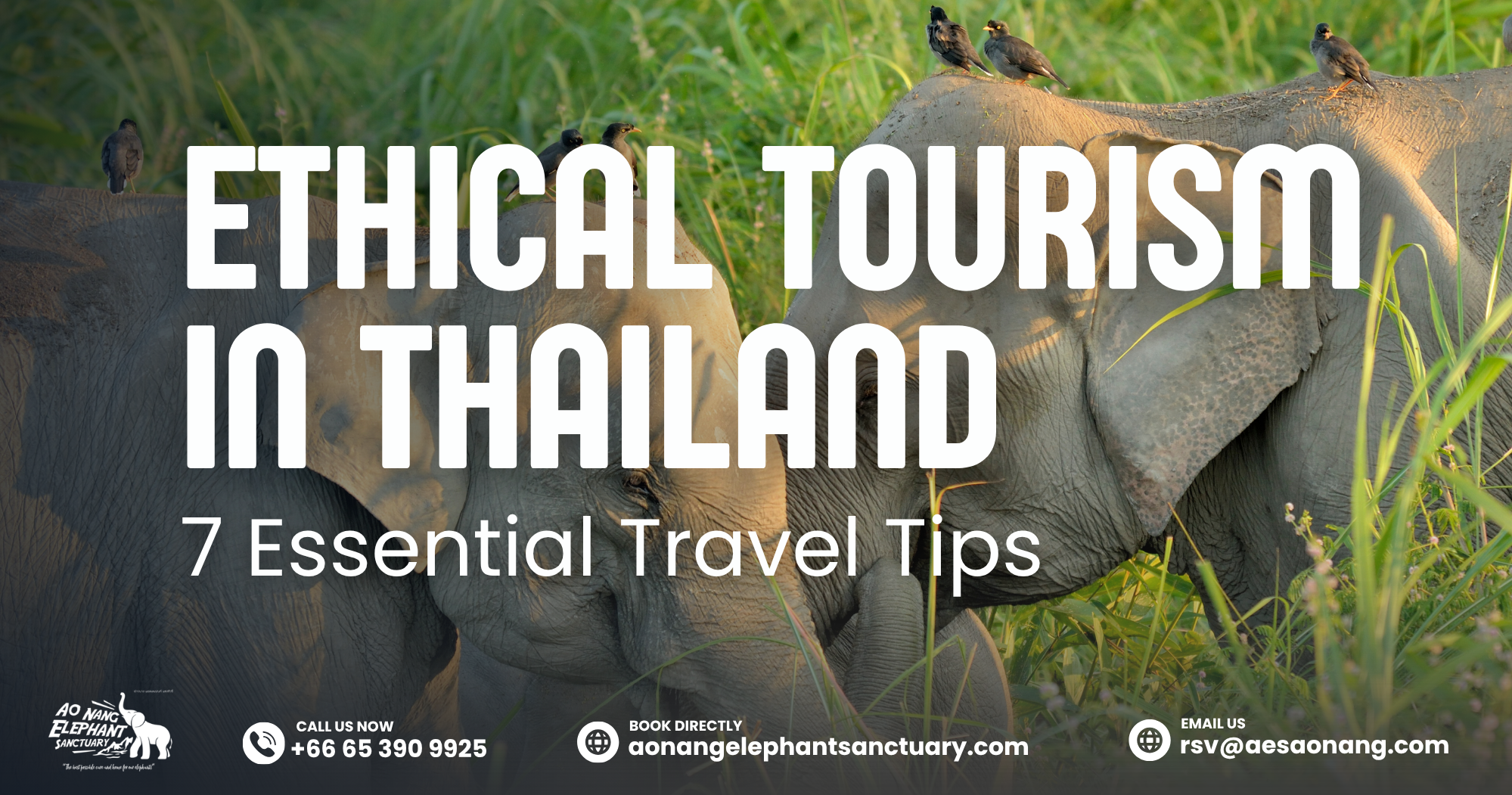
The elephant is a cultural, historical, and natural symbol of Thailand. These massive yet docile animals were heavily relied on for various purposes such as transportation, farming, religious ceremonies, etc. Notwithstanding their great contribution, the number of elephants in the country has sharply fallen over the last 100 years.
In the present day, several organizations and wildlife institutions are putting their best efforts into the salvation of the elephants living in Thailand. In order to properly protect these animals, this issue is one of the main areas where different entities, such as governments, animal shelters, nearby towns, and tourists, must work together. Supporting ethical tourism and knowing the dangers these animals face could define their future.
What Leads Elephants To Become Endangered In Thailand?
There were once many elephants living in the wild in Thailand, with quite a large population. It is said that during the early 1900s, there were as many as 100,000 elephants scattered throughout the country. However, the figure has greatly decreased to the present day.
At present, professionals indicate that the number of wild elephants is between 3,500 and 4,000. On top of that, about 3,000 to 3,500 elephants are domesticated, many of which are used to work in the logging or tourism industries.
A leading cause for this falling figure is people cutting down trees. Vast tracts of Thai forests have been taken down to make way for farming, building, and other infrastructure. When the forests disappeared, the elephants lost the very places that provided them with food, water, and their paths for migration.
The timber industry was a major factor as well. Elephants were used for many years to transport heavy logs along the forest paths. Following the 1989 ban on commercial logging in Thailand, work for thousands of elephants abruptly came to an end, and they were mostly employed in the tourism sector after that.
All these changes have deeply influenced the elephant populations and the wild ones’ situation to a great extent.
What Are The Main Threats To Elephants In Thailand?
Some threats still affect elephants in various ways.
Loss of Elephant Habitat
Besides protected parks and reserves, people continue to fragment forests, which decreases the habitats of elephants. When roads, farms, or towns break up forests, elephants may not be able to move around freely to their different feeding places.
Human-Elephant Conflict
Elephants can become local “nuisances” when they leave their forests seeking food and come onto farmland where they eat and destroy crops. Farmers trying to protect their crops can get furious, and it often leads to a fight between elephants and humans. Sometimes, both sides get hurt or killed.
Poaching
Thailand has created its laws and police to fight the illegal market of wildlife, but still, poaching happens. Some people kill elephants just to sell their ivory or other parts of their bodies.
Unethical Tourism
Many tourists want to have a “close with a tiger” kind of experience, that is, spending a few moments with an animal. Hence, they don’t always stop to consider what sort of life the elephants have in the camps. While some camps have given up selling “elephant rides,” there are still those that offer elephant dancing, circuses, and other tricks that are physically and mentally bad for the animals.
To address these issues, we must prioritize the preservation of elephant populations in Thailand by mitigating the threats they still face.
How Ethical Sanctuaries Help Save Elephants Of Thailand
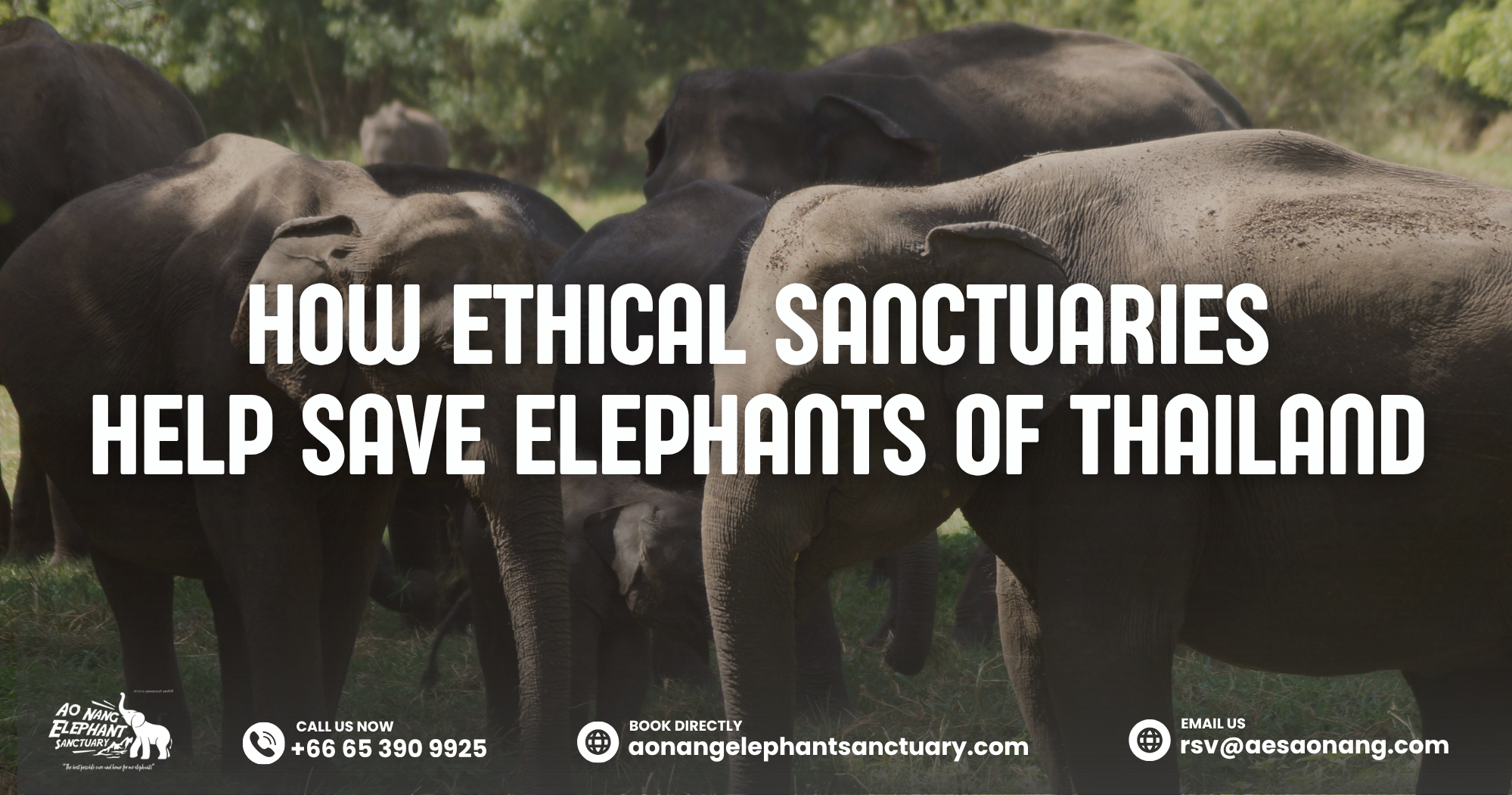
Ethical elephant sanctuaries have taken on a crucial role in elephant conservation in Thailand. They rescue, rehabilitate, and provide lifetime care for elephants that used to work in logging and tourism.
They are nothing like the traditional elephant camps. Ethical sanctuaries, instead, put the welfare of elephants first and allow them to behave naturally.
A lot of elephants that get rescued have physical wounds and mental scars from being forced to work very hard or being abused. Besides giving treatment to sick and injured elephants, sanctuaries also provide good food and enough space in the fresh air and in the shade where elephants can move around pretty freely.
Social living is another important part that allows elephants to live in groups rather than being isolated. In nature, elephants develop deeply bonded family units. Ethical sanctuaries promote these natural ties instead of forcing elephants into routines that are not normal to them.
People interested in elephant conservation, here are some tips on what to do and what to avoid:
You can support the efforts of rescuing elephants in Thailand by choosing to help only elephant sanctuaries that are ethical through your travel choices. Now, travelers, as the biggest consumers of such services, can play a big role in deciding which direction to take for the conservation of elephants in Thailand. Making informed, ethical choices as a tourist can help to support good practices and push harmful ones out of the market.
Make Ethical Choices When Deciding On Which Elephant Sanctuary To Visit
Research the policies of any elephant facility you are considering. Things that an ethical sanctuary normally would not offer are:
- elephant riding
- circus-style performances
- forced interactions
On the other hand, the core of their program comprises
- observation
- education
- respectful encounters
Ditch Elephant Riding
A very popular tourist activity, like elephant riding, can cause a lot of pain to the animals. In fact, apart from the heavy seating platforms, the elephants have to bear the whole load of multiple riders at once, which puts a lot of strain on their backs and joints. Going for the non-riding experience is a way of helping raise the standards of tourism from a humaneness point of view.
Give A Hand To Conservation Initiatives
Several sanctuaries also engage in programs for forest conservation, wildlife protection, and helping to develop local communities. Thanks to the income generated through tourism, these sanctuaries can carry on with and even widen their programs.
Raise Your Voice
By informing your close ones about ethical tourism, you could be their source of inspiration to become responsible travelers when it comes to making choices in the future. The tiniest step is also a step forward towards the elephant’s salvation.
What Is The Role Of Elephant Tourism In Conservation?
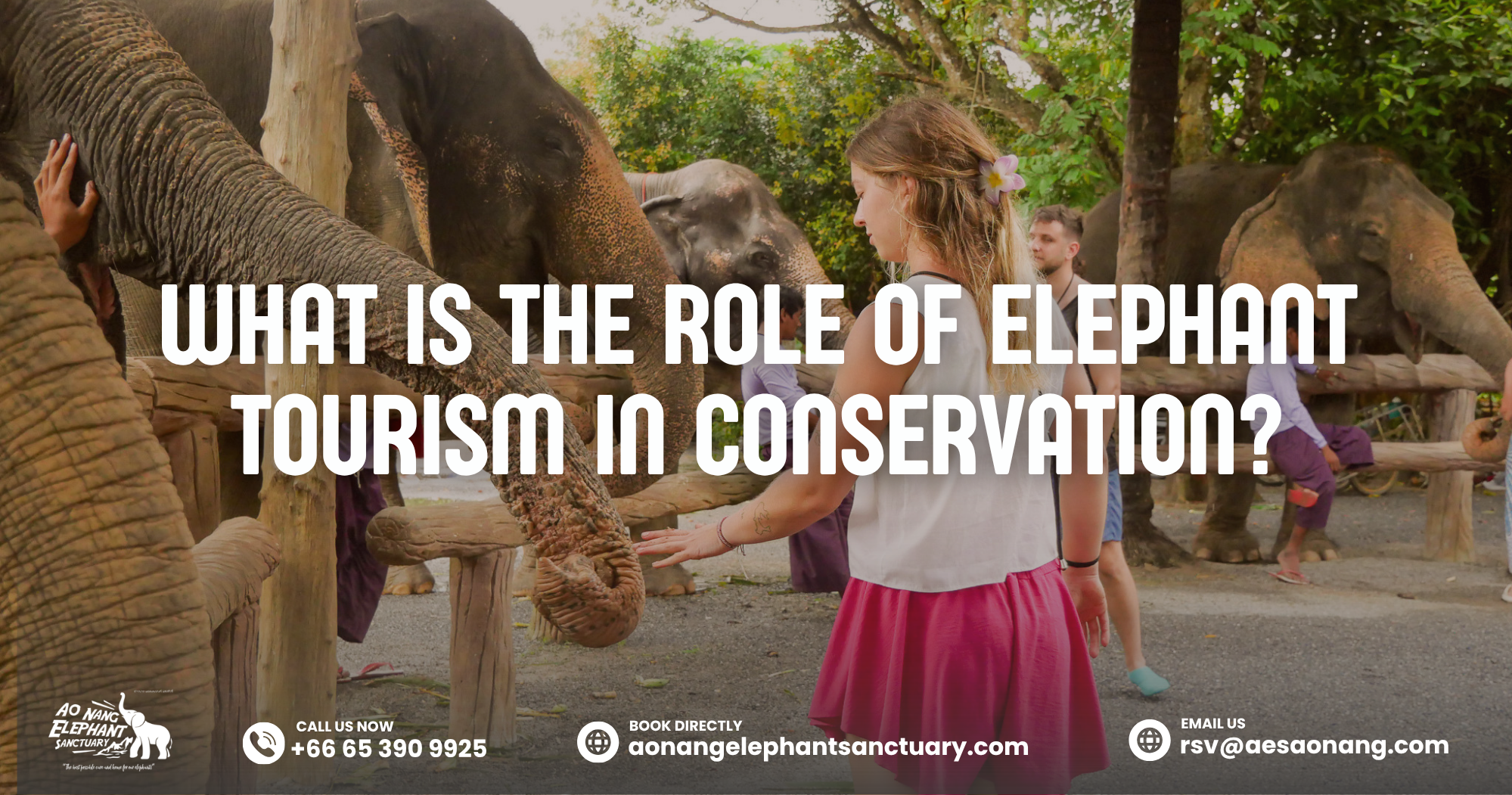
Depending on the approach, elephant tourism can have either a positive or a negative effect on the conservation of elephants.
Traditionally, the main focus of many tourism activities shifted toward entertaining tourists instead of ensuring animal welfare. For example, performance shows, riding camps, and other forms of unnatural training put elephants under stress and harm them by making them act against their natural behavior.
But at the same time, tourism can become a very effective conservation tool if governed properly.
Well-managed, ethically responsible tourism can provide funds for the welfare of elephants, including veterinary care and the protection of their natural habitats. Inevitably, tourism also generates job opportunities for local communities, thereby lessening the dependence on activities detrimental to wildlife.
Many former mahouts (traditional elephant caretakers) now work in ethical sanctuaries, where they take care of elephants in safer places. This transition helps preserve traditional knowledge while improving animal welfare.
When tourists choose responsible experiences, the industry gradually shifts toward better practices that benefit elephants.
Reserve your spot now to get a chance to meet Asian elephants!
- Phone: +66 65 390 9925
- Email: [email protected]
- Book directly at aonangelephantsanctuary.com