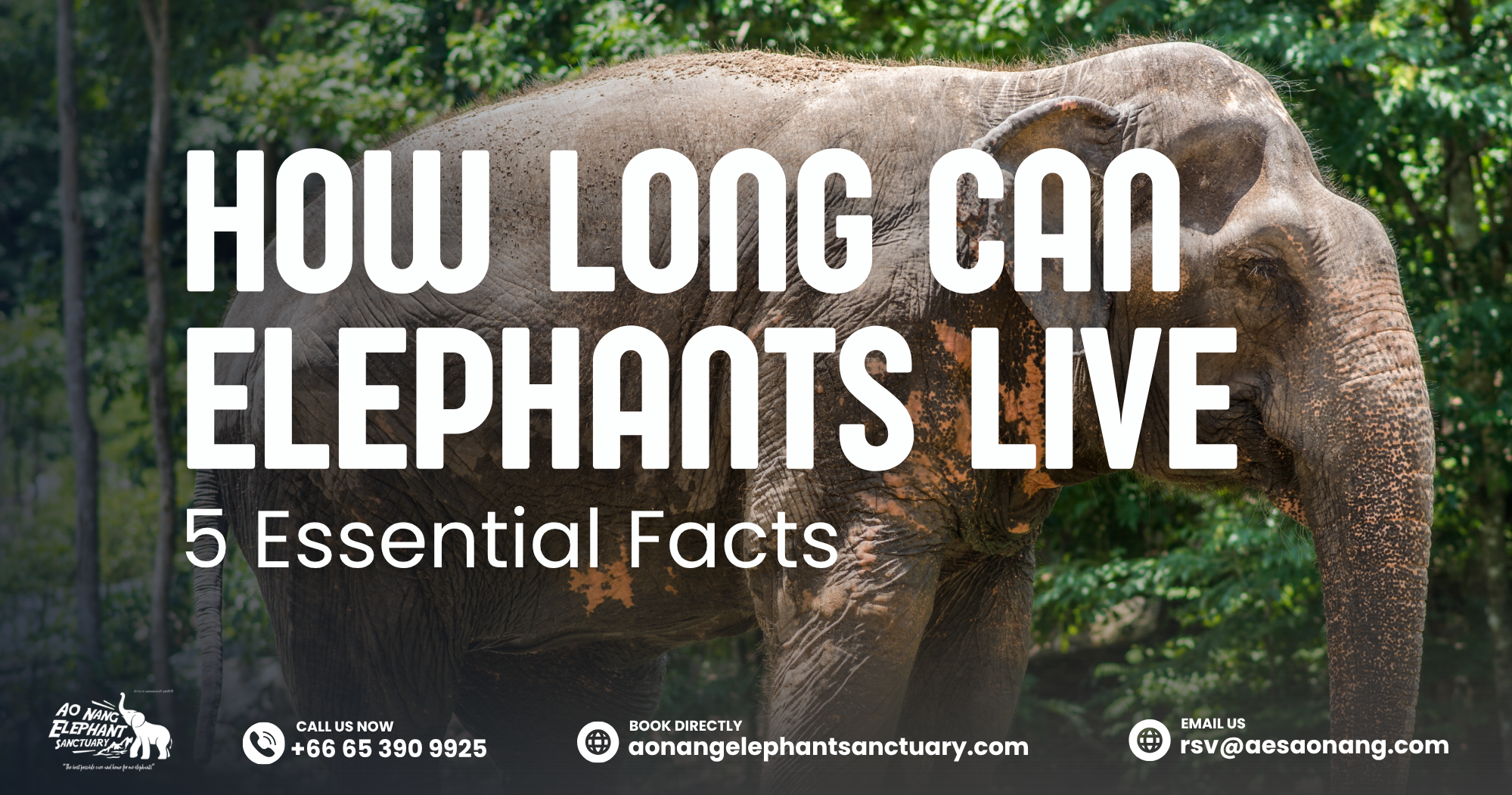
Elephants are among the most magnificent creatures on Earth: intelligent, emotional, and built to roam vast landscapes. But one question that often comes up among wildlife enthusiasts and conservationists is, how long can elephants live? The answer isn’t straightforward. Whether an elephant spends its life in the wild or in captivity plays a massive role in determining how many years it will walk this earth. Let’s explore the fascinating science and stories behind elephant lifespans.
What Is The Average Lifespan Of Elephants?
In general, the lifetime of elephants in the wild spans from 60 to 70 years. Pushing the upper extreme of this range are the African elephants, whereas the Asian elephant’s lifespan varies from 48 to 65 years.
However, when these lovely creatures are separated from their nature and confined in captivity, this duration diminishes. Most often, the number of years ranges from 40 to 50, and sometimes the case may be even shorter.
In general, female elephants have a longer life expectancy than males. This is mainly because they innately move together with their herds, thus staying away from the intensely aggressive competition that the males face during their highly active sexual period. On the contrary, male elephants lead a more tense and fast-paced life that tends to result in a shorter lifespan.
Moreover, there is a dental aspect too. Elephants can only live on six changing sets of molars throughout their lives. Once the very last one is gone, the elephant will not be able to chew well. At that point, the quality of life will significantly decline. In fact, it is like a natural inbuilt clock and the timekeeping of such ‘clock’ depends on the environment an elephant finds itself in.
Why Do Wild Elephants Live Longer?
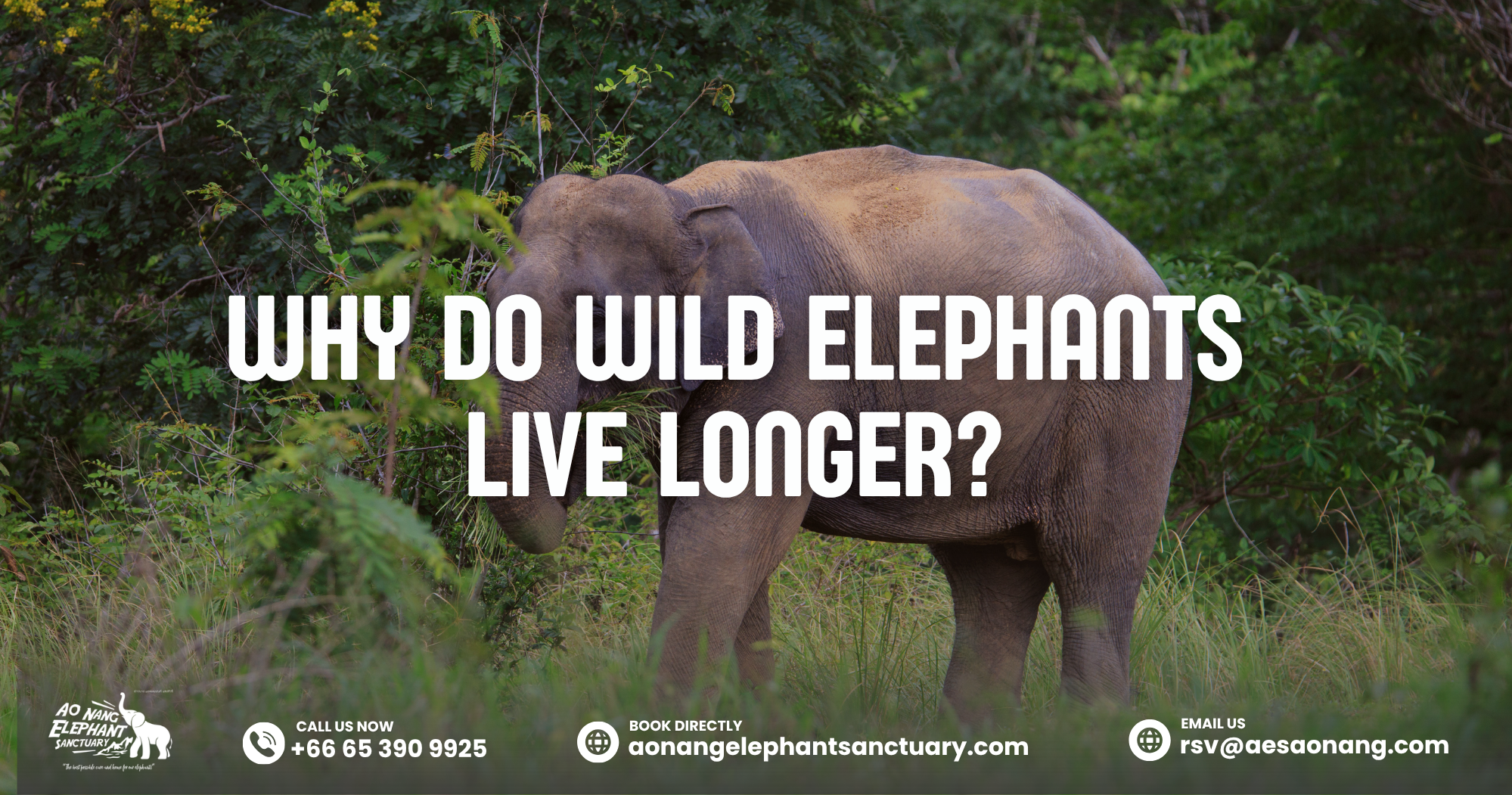
Wild elephants walk up to 50 kilometers a day. That’s not just exercise—it’s survival. It keeps joints healthy, digestion working, and minds engaged.
Their feet are built for soft earth and varied terrain. Not concrete. Not hard zoo floors. The difference matters more than people realize.
Then there’s the herd. Wild elephants live in family groups led by the oldest female. She remembers where the water is during drought. She keeps the group calm during danger. That kind of social structure isn’t just comforting—it’s genuinely life-extending.
Younger elephants learn from older ones. They pick up survival knowledge that can’t be taught in captivity. That shared wisdom keeps the whole herd healthier and safer for longer.
What Reduces Lifespan In Captivity?
Stress is the quiet killer. Elephants in confined spaces often sway or rock repeatedly. It looks unusual from the outside. It actually signals deep psychological distress on the inside.
Chronic stress slowly breaks down the immune system. Small infections turn into serious conditions. The body just can’t fight back the way it should.
Space is another real problem. Even generous zoo enclosures are tiny compared to wide ranges. Less movement means stiffer joints, weight gain, and painful foot conditions. Foot disease is actually one of the leading causes of death in captive elephants — and it’s largely preventable.
Social isolation makes everything worse. Elephants aren’t built to live alone or alongside strangers. Separation from family causes genuine grief. Not metaphorical grief — real, measurable psychological and physical decline. Females separated from their calves suffer especially hard. It’s a wound that doesn’t heal easily.
How Does Diet Affect Lifespan?
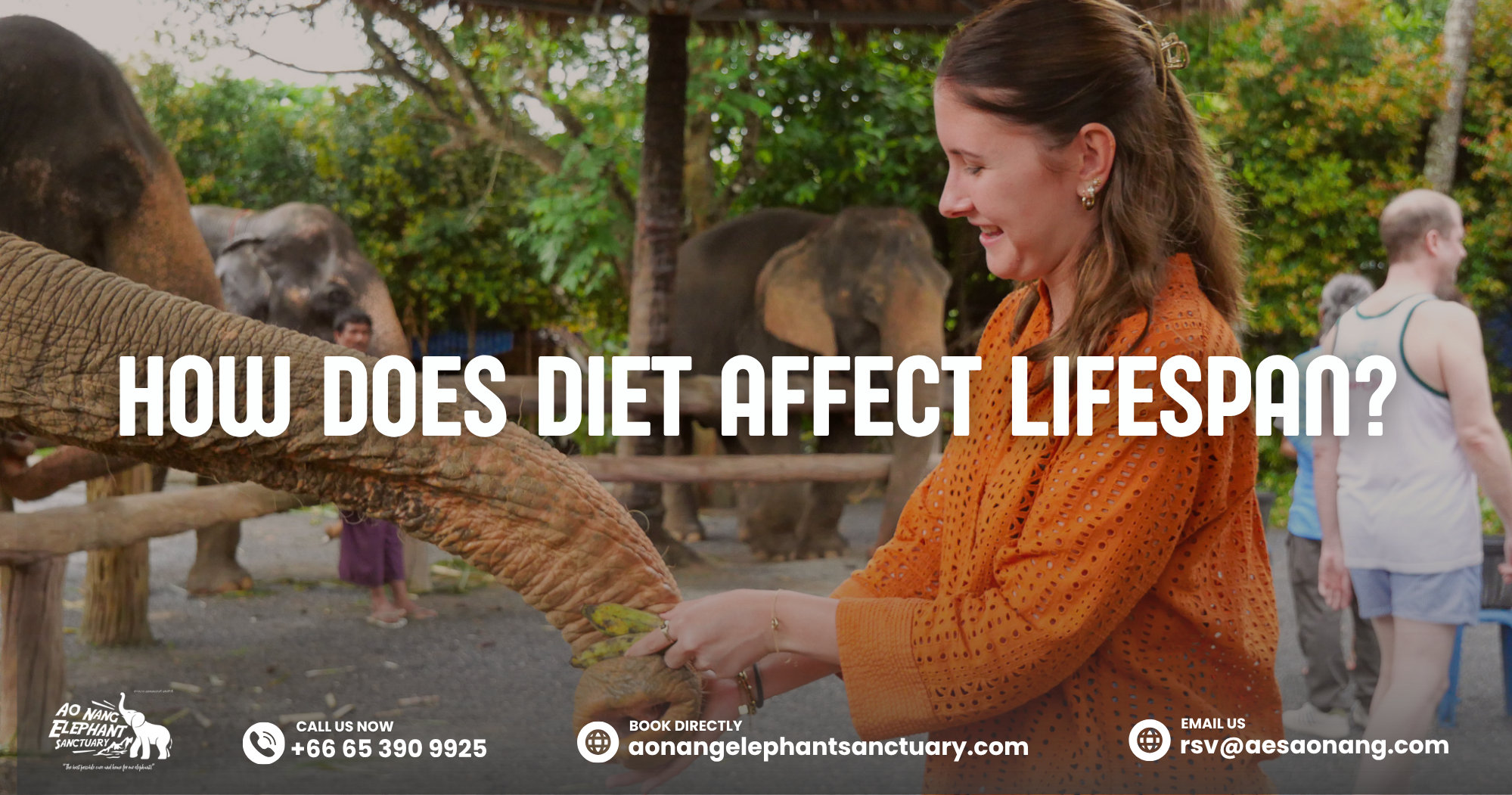
In fact, a wild elephant consumes between 150 and 300 pounds of food daily on average. It is a wide variety of plants from the hundreds of different plant species that they feed upon. Such diversity is not merely coincidental but rather a very vital component of their well-being.
Each plant species provides a different set of nutrients. Some contain medicinally valuable compounds. Wild elephants, apparently, have an instinct that leads them to pick up certain plants that aid recovery when they are ill. Such a silent type of self-care is very interesting to witness.
Captive diets are a lot less complicated. Hay, fruits, and vegetables are nutritiously sufficient but still lacking in variety. Also, foraging is a form of brain workout. Hence, without foraging, no matter how well-planned the feeding is, there will still be something missing.
Eating too much fruit actually leads to a problem of its own. High-sugar diets are a main cause of obesity, and that has a knock-on effect on joints, reproductive capacity, and the general level of energy. A small thing that slowly accumulates, and before one realizes it, it has had quite an impact.
What Are The Oldest Elephants Recorded?
Lin Wang was an Asian elephant that lived to be 86 years old. He was involved with the military during World War II and later in his life spent many years at a zoo in Taipei. He died in 2003, and to this date, many people still refer to his story when talking about elephant longevity.
Dakshayani was said to be eighty-eight years old and hailed from Kerala, India. She had a peaceful nature and also an amazing memory. Speaking about her was akin to talking about a cherished elder; those who had the opportunity to be close to her mentioned it that way.
It is definitely challenging to know about the longevity of the wild record-holders. The majority of them are living and dying in very remote and wild places, where there are no researchers or cameras. However, the scientists believe that there are some wild elephants that are quietly living longer than any of the elephants that we have documented so far.
What the long-lived ones share, whether wild or in genuinely good sanctuaries, is basic. Low stress, strong social bonds, and room to move. That combination matters more than almost anything else.
The Captivity Vs. Wild Debate—What Does The Data Say?
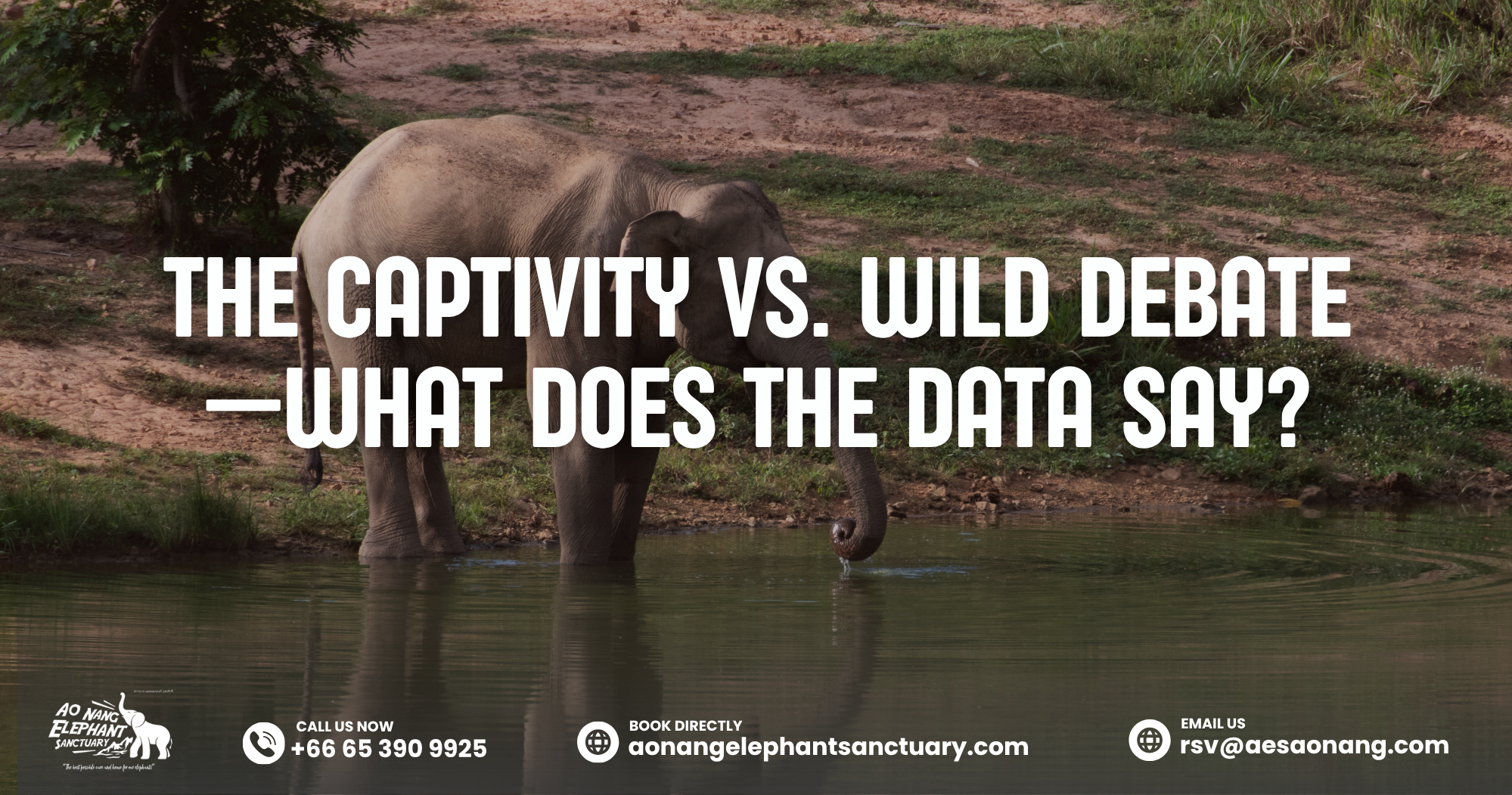
Researchers have studied this topic for decades. The findings are fairly consistent. Wild elephants, on average, simply outlive captive ones by a significant margin.
A landmark study tracked Asian elephants across zoos in Europe. The median lifespan was under 20 years for zoo-born elephants. Wild populations in protected areas showed far better outcomes. The gap was hard to ignore.
Some argue that modern sanctuaries have changed the picture. That’s partly true. Ethical sanctuaries, which give elephants space, social connection, and natural living conditions, achieve better outcomes. These results are far stronger than what traditional zoos or circuses provide.
But even the best sanctuary is working against limitations. It can’t fully replicate what the wild offers naturally. What it can do is minimize harm and maximize quality of life. That still matters enormously.
Places like Aonang Elephant Sanctuary represent that shift in thinking. It’s worth understanding what separates a genuine sanctuary from one that just uses the label.
Here’s What It Really Comes Down To
Elephants are more than just beings who require food and shelter. They are also family-oriented animals who need a large physical environment and the freedom to express their natural behaviors. Denying them these things will shorten their lifespan by decades, not just weeks.
The evidence speaks for itself. The experiences of various elephants living for a long duration further support this. The trapped elephants’ sorrow is so heartbreaking that one can’t turn away.
Understanding elephants is at the core of what good sanctuaries do. Keeping elephants alive is not only what they do, but providing them with the right environment so that they can flourish is also their top priority. These two things are genuinely different, and that difference reflects the life span of these incredible creatures.
Do you care about elephant welfare? If yes, then why not learn more and take action? At Aonang Elephant Sanctuary, we wholeheartedly dedicate ourselves to helping elephants live the life they deserve. Visit our website, familiarize yourself with their work, and discover ways you can help make the world a better place for these animals.
Reserve your spot now to get a chance to meet Asian elephants!
- Phone: +66 65 390 9925
- Email: [email protected]
- Book directly at aonangelephantsanctuary.com