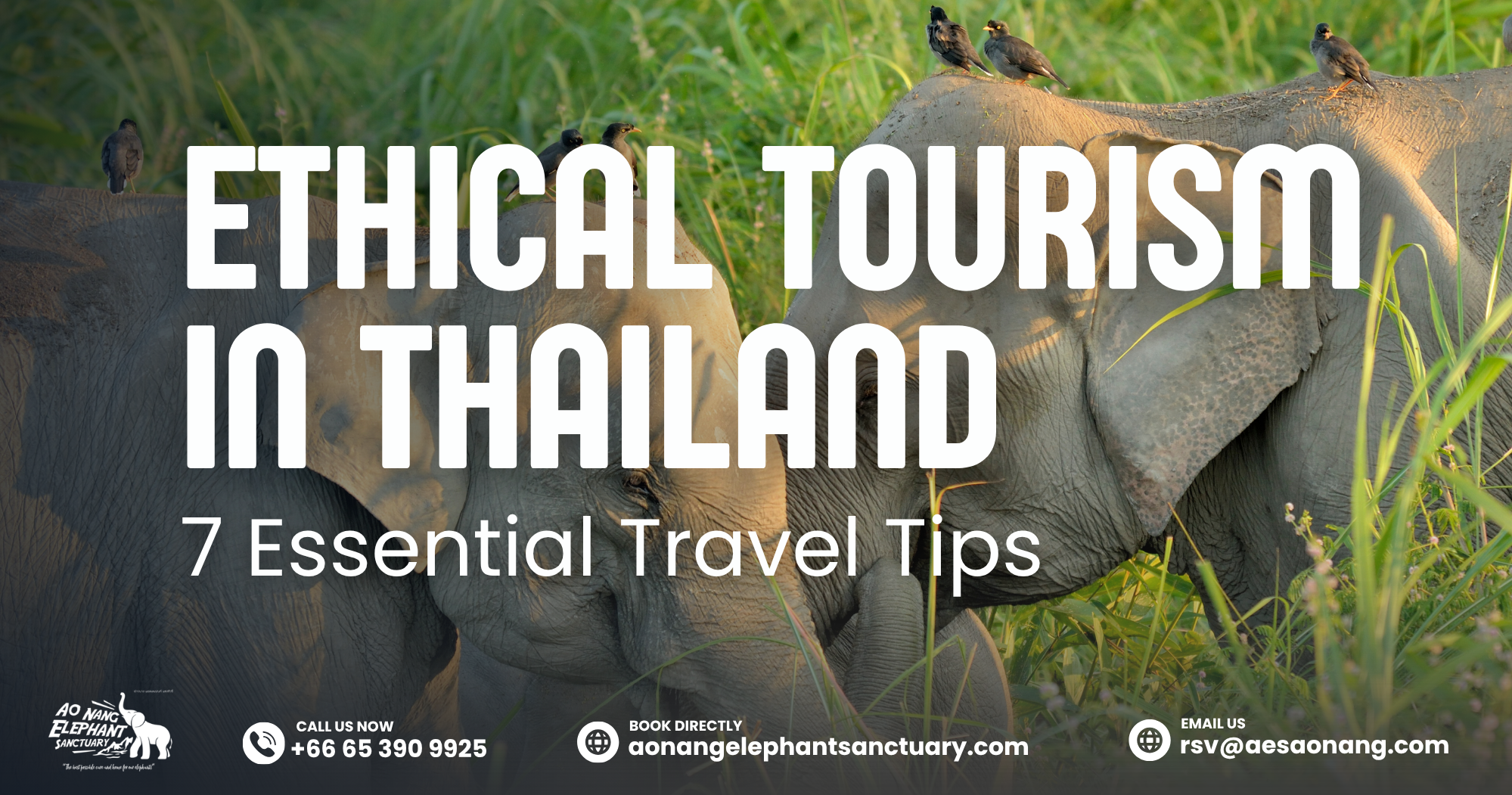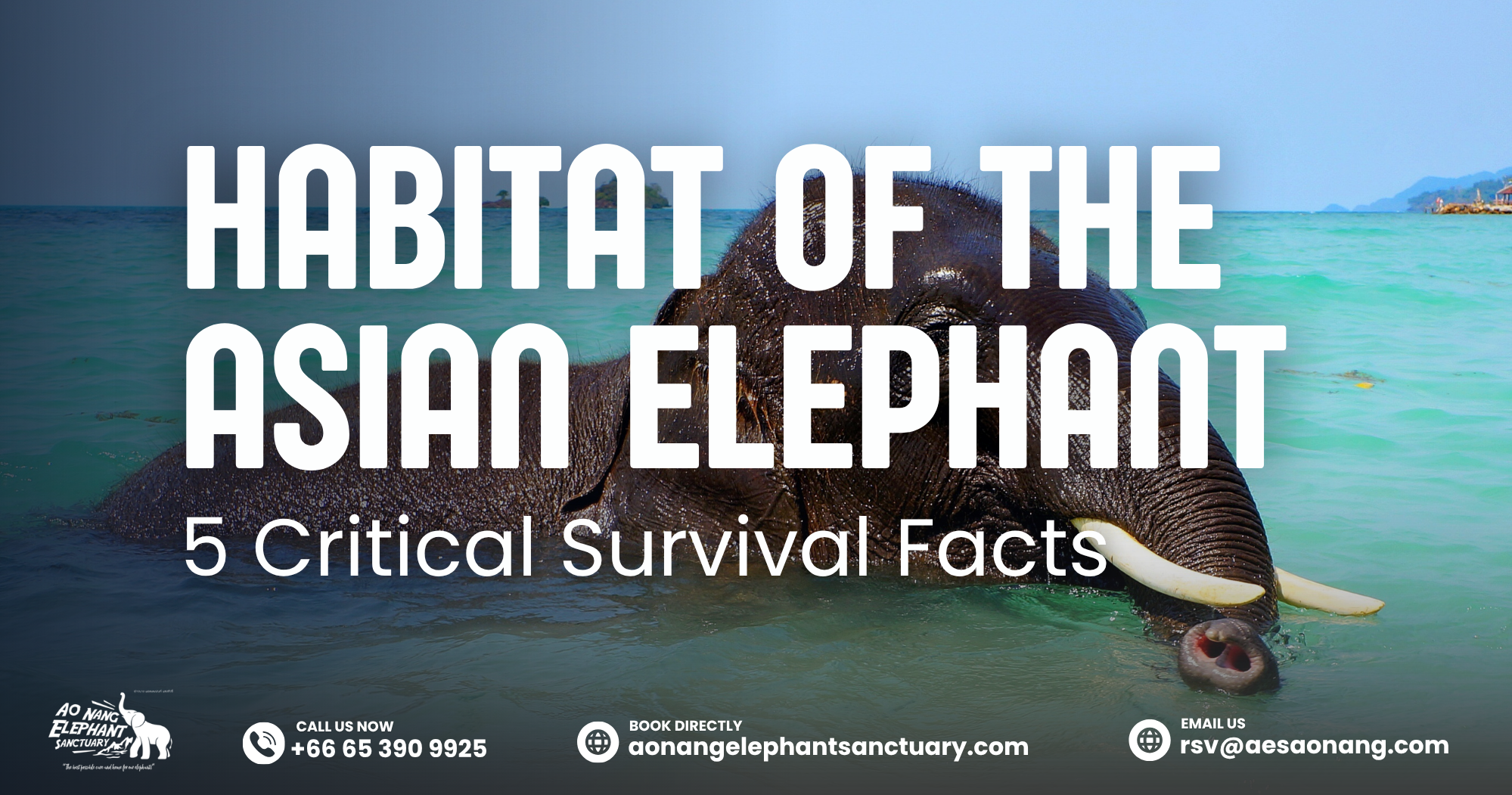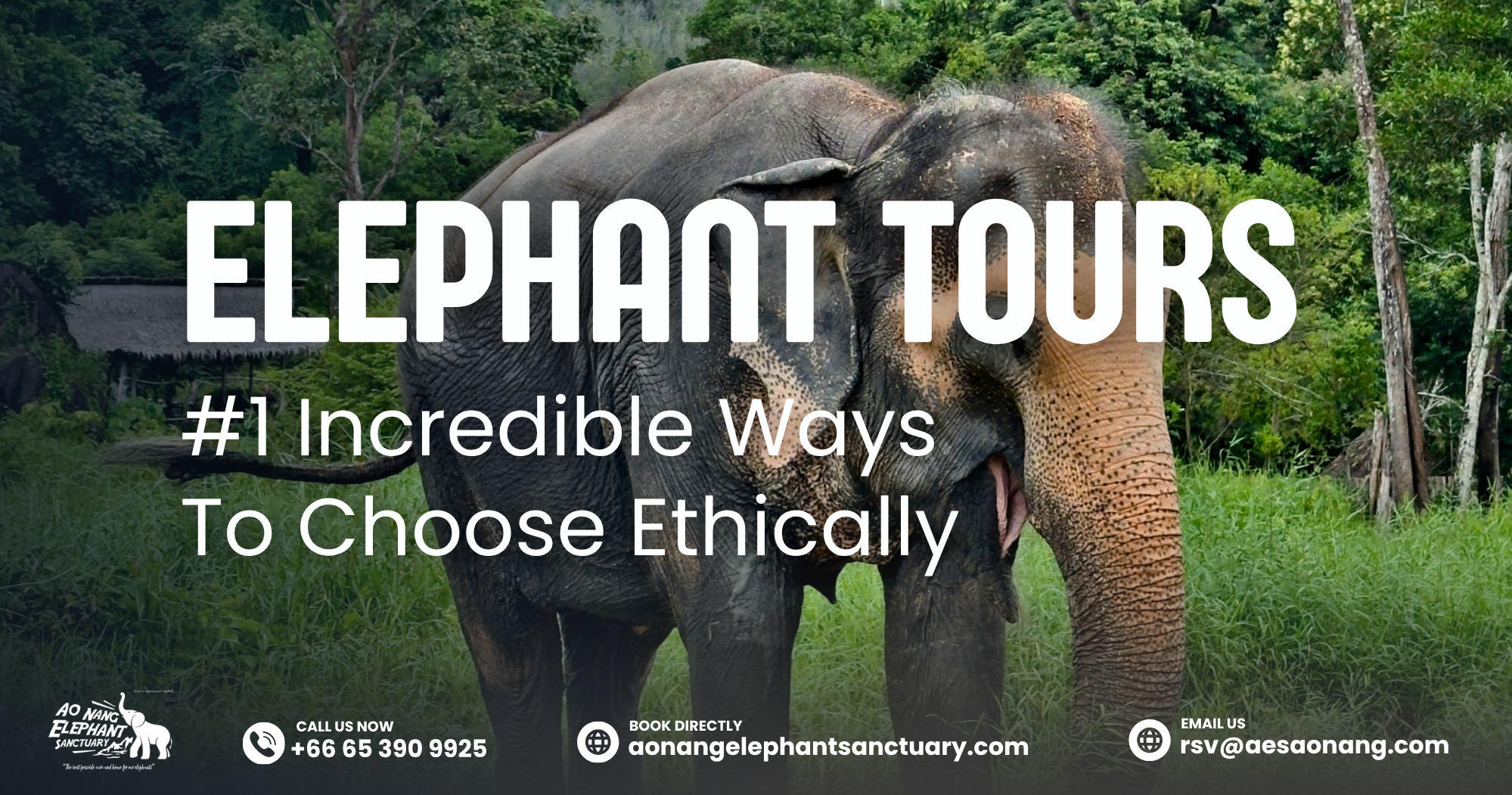
Elephant tours remain a top attraction in Southeast Asia. Interacting with these giant creatures by standing close to elephants, going for a walk with them, or simply observing their natural behaviors could be some of your trip highlights. Sadly, not all elephant tours provide the same experience.
Nowadays, the level of concern for the state of animals is on the rise. A lot of travelers would prefer to spend their time in areas that support elephant rights rather than those that violate them. Having the understanding that you are taking part in a responsible elephant tour means that your visit will contribute to the protection of these great animals rather than one that will bring them harm.
The following article points out what exactly is included in an ethical elephant tour, how to locate responsible operators, and what can be expected during such a worthwhile visit.
Ethics Of Elephant Tourism
Essentially, an ethical elephant tour is a situation where the elephants are regarded and treated not just as living beings but as individuals whose well-being is a matter of primary concern. At the same time, it is important not to greatly compromise the elephants’ freedom. The ultimate aim is to allow elephants to behave as closely as possible to their wild counterparts.
It is contrary to traditional elephant tourism, which often includes riding and performances, as ethical tours mainly offer viewing and education.
Within an ethical framework, elephants are not made to perform for visitors. Rather, their living quarters are close to their natural habitat. Moreover, they can roam around, interact with each other, and feed without humans interrupting them all the time.
Besides, tour participants usually:
- Observe elephants from afar
- Get educated about their past and characteristics
- See them eating, bathing, or socializing with their companions
Ultimately, an ethical elephant tour is about creating awareness and promoting conservation rather than amusement.
Why Ethical Elephant Tours Matter
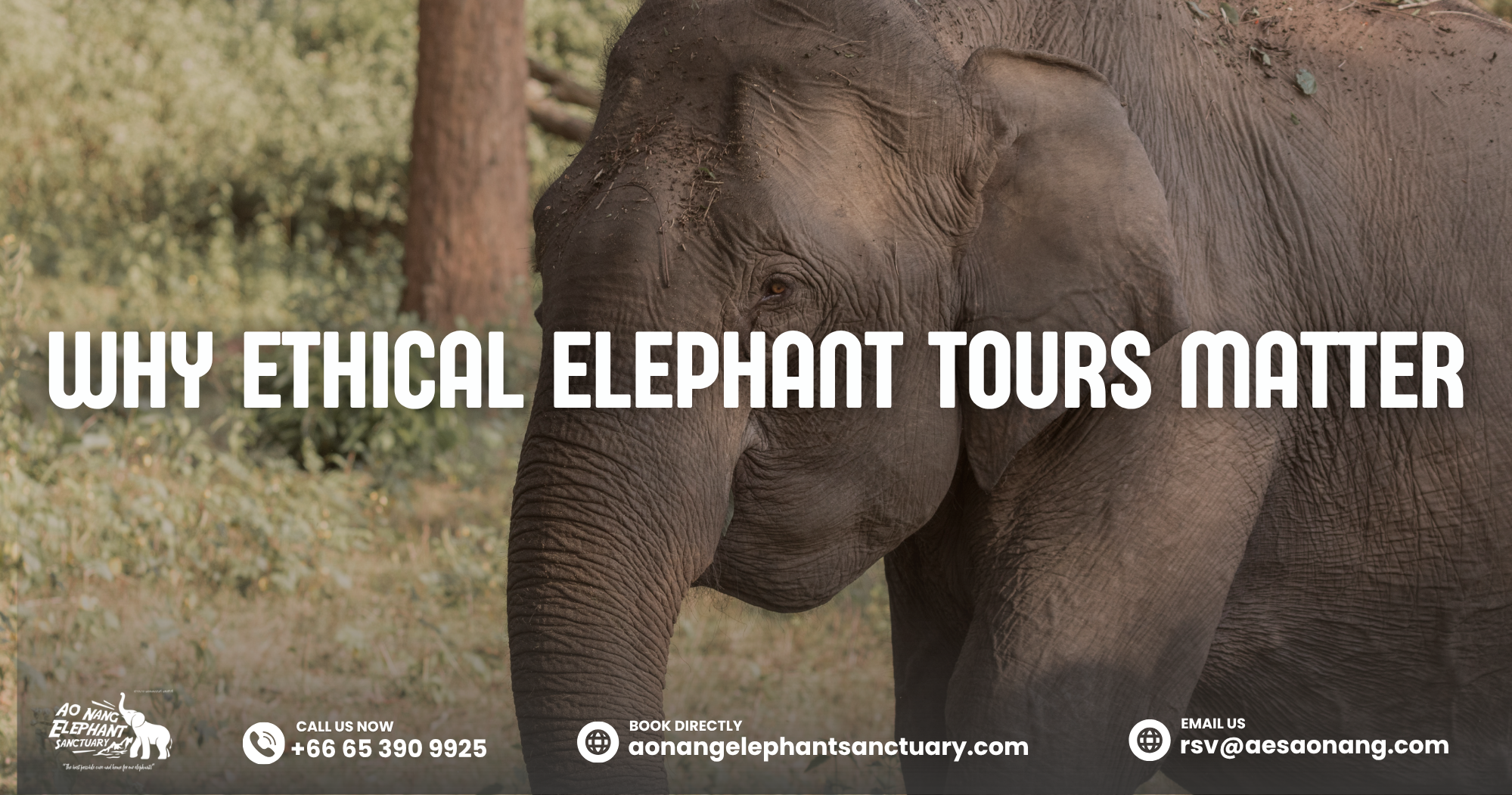
Elephants are not only very smart but also profoundly emotional animals. They build strong social networks and need enough room, good food, and mental activities for their well-being.
Neglecting the ethical aspect of tourism in elephants can result in both physical and psychological harm to them. For instance, pushing them for rides, making them do tricks, or posing them for photos generally requires conditioning them through undesirable methods.
On the other hand, doing elephant tours ethically encourages the entire sector to adopt more compassionate approaches. Besides that, by buying from responsible ones, tourists can:
- help provide elephants with healthier environments
- contribute to rescue and reopening programs
- increase awareness on wildlife protection
- support local communities and environmentally friendly ways of making a living
The quality of your choice of a tour determines how the elephants will be treated.
Signs Of An Unethical Elephant Tour
It would be wise to understand the indicators of unethicality before deciding on a particular elephant tour.
Tours allowing elephant riding are typically not ethical. Having a heavy seat and a couple of riders on the back may injure the elephant’s spine gradually.
Acts like elephants painting, dancing, or playing an instrument are similarly undesirable. Such behaviors are alien to nature and usually are the result of harsh training.
Furthermore, signs of unethical behavior can be:
- Elephants shackled for a very long time
- Excessive groups of visitors
- A very confined area allowing for little movement of the elephants
- Permanent interaction without break
In case the tour is more focused on entertaining the visitors rather than imparting knowledge, it might have put less emphasis on the welfare of the animals.
How To Choose An Ethical Elephant Tour
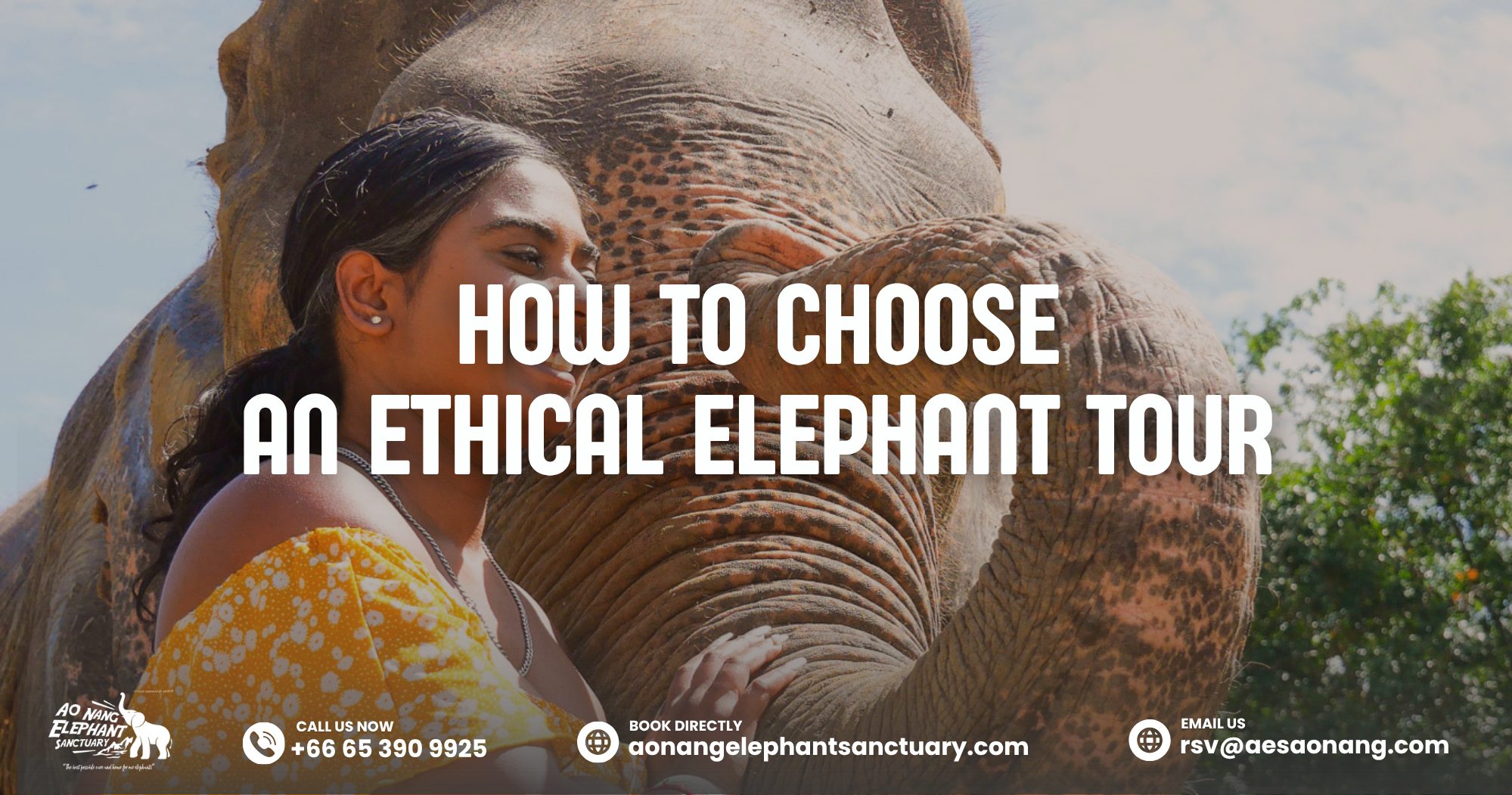
Choosing the right elephant tour is no walk in the park. You will need to do a bit of research. These few simple tips will definitely help you pick a responsible one.
Research The Operator
Make the first move by checking the operator’s website. An honest operator will have their policies very clearly outlined, in particular, the no riding and no performing policies. They will normally also post stories about rescues and their care of elephants.
Read Reviews Carefully
The reviews are the most useful for getting the real story, like a trip diary. Visitors describing natural elephant behavior, friendly and informative guides, and very respectful interactions are what you should be watching for.
Check Group Size
You have a green light if the group size is small. Ethical tours likely limit visitor numbers to reduce elephant stress and give visitors a more personal experience.
Look For Educational Focus
Promoting education is what responsible tours are about. Guides must talk about elephant behavior, conservation problems, and why ethical tourism is essential.
By examining these features, you will be able to make a well-informed decision.
How To Tell If An Elephant Tour Is Ethical
Providing good living conditions for the animals, rather than merely entertaining them, is at the core of a responsible elephant tour. Find such tours that explicitly say no riding, no shows, and the like. These magnificent creatures should be able to walk in the woods freely and naturally, like their wild counterparts, not be tied up and kept immobile throughout the day. In addition, fewer people in each group and the time dedicated to spreading knowledge are also signs of good practices.
Can You Consider Elephant Rides Ethical?
Elephant rides are by no means ethical, as carrying heavy seats and several riders can be hard on an elephant’s back. Also, to get the elephants trained for rides, trainers often resort to unpleasant methods. Besides, by not participating in the riding experience, you are contributing to the promotion of higher welfare standards in the whole tourism industry.
What Should Tourists Avoid?
Tourists should stay away from shows, tricks, painting demonstrations, or any activities of this kind that require the animals to act abnormally. Additionally, camps filled with tourists, elephants that are continuously chained and closely handled, and even those exhibiting eager behaviors can also be seen as warning signs.
Studies have shown that the responsible choice of operators, on one hand, helps encourage the ethical treatment of elephants, and on the other hand, it contributes to the development of the elephant tourism industry in a way that is positive.
Being well-informed is a good way of making sure that each elephant tourism experience is a contribution to elephant conservation rather than a way of causing them harm.
What To Expect During An Ethical Elephant Tour
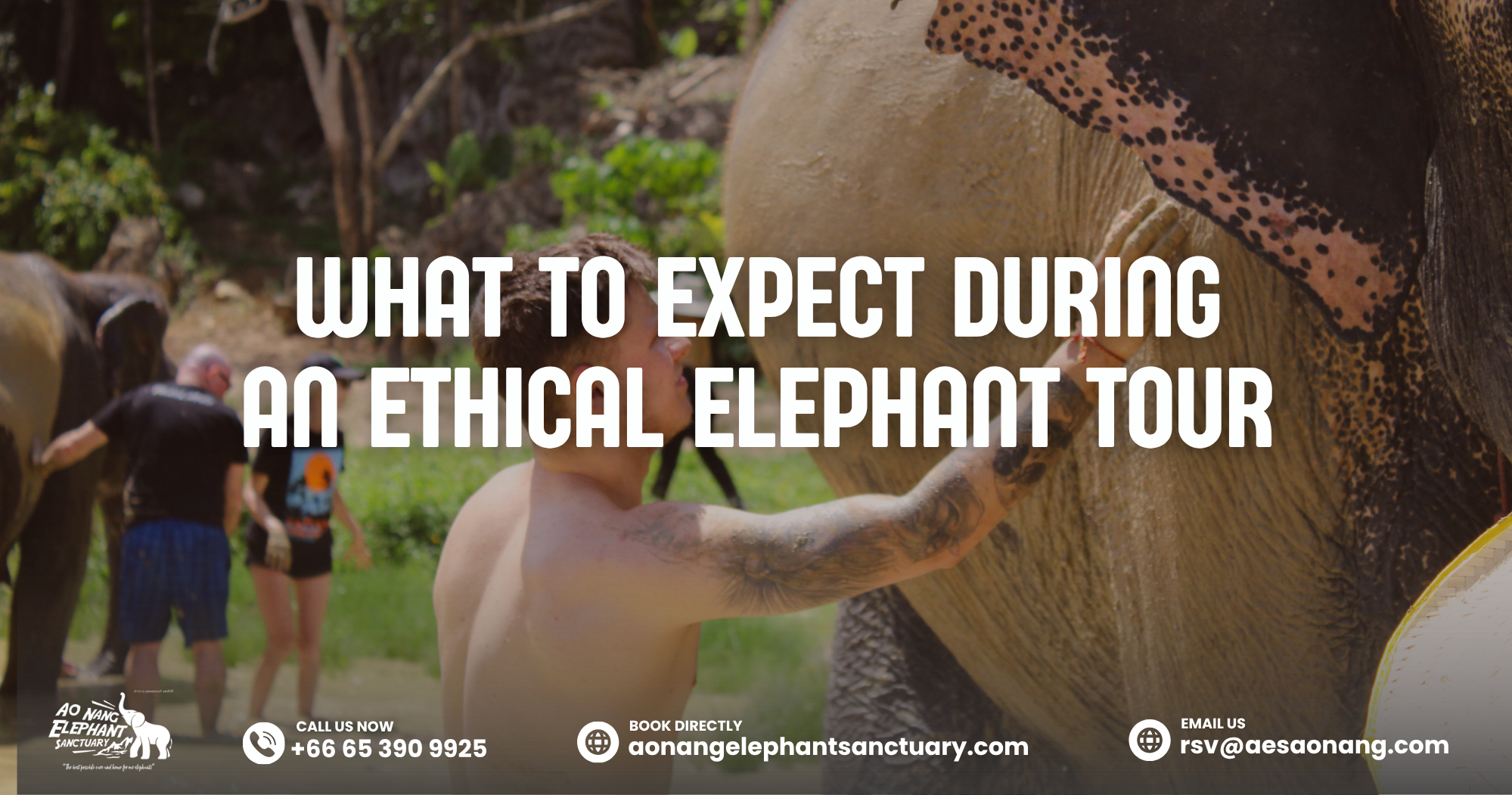
The experience you get on your ethical elephant tour will be totally different from that of traditional elephant shows and attractions.
Here, visitors will have the chance to see and learn about the elephants by watching them live their daily lives in the wild instead of taking rides and making them perform. It’s simpler and more natural: you could be quite literally standing with the elephants at arm’s length while your guide tells you about their way of living and character traits.
Feeding sessions are occasionally brought into this mix, where visitors can hand out fruits or veggies while being overseen. Observing elephants feeding is not only a joy, but it also adds a deeper understanding to the whole elephant experience.
Mud baths and water swims are other favored pastimes that, along with dusting, help elephants control their body temperature, and these are what many visitors get to see on their tours.
What To Bring On An Elephant Tour
Getting ready correctly helps to guarantee a pleasant, respectful experience.
Wear airy, light garments that are adaptable to outdoor conditions. Dress shoes with closed-toe or solid sandals are the most comfortable at the same time.
Your backpack shouldn’t only contain your water bottle, sunblock, and mosquito repellent but also be eco-friendly. It’s best not to bring a lot of plastic things with you to the delivery of nature.
Most importantly, be guided by the instructions given by the sanctuary or tour operator. Keep a safe distance from the elephants and do not make any movements that suddenly scare them.
Observing these principles safeguards the well-being of both visitors and wildlife.
Tourism As A Way To Help Elephant Conservation
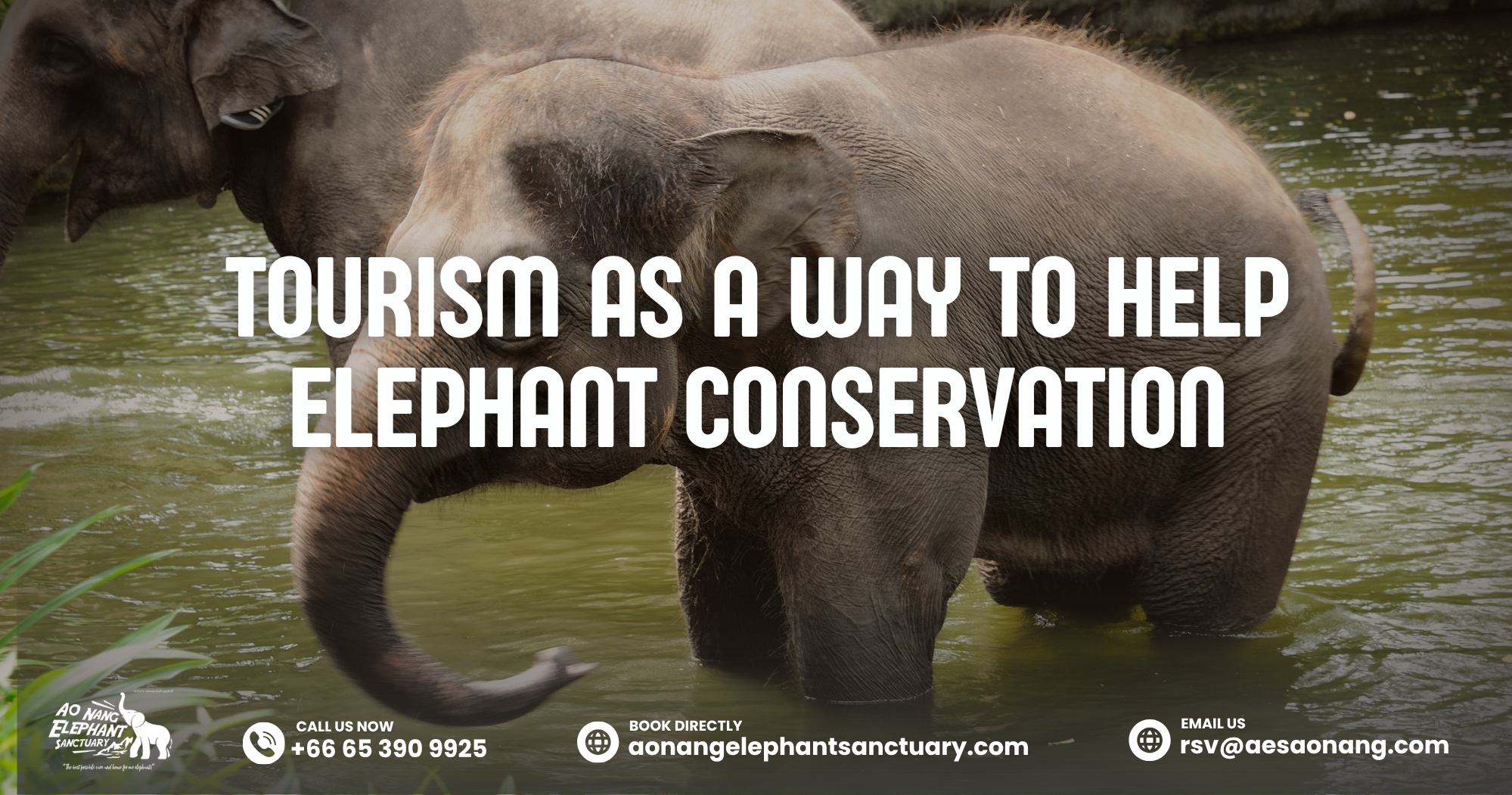
It’s difficult to determine the degree to which tourism affects elephant conservation. When done haphazardly, tourism can destroy elephants. Yet, if we carry out tourism with care, we can actually use it as the main source of funds to care for and protect these animals.
Socially responsible and environmentally sustainable elephant tours provide a source of income for:
- Medical treatment and recovery
- Continued preservation of elephant habitats
- Feeding and housing for elephants who have been rescued
- Generating livelihood for people in the local area
A lot of individuals who used to be mahouts are currently employed at sanctuaries, where they look after elephants in an atmosphere that is safe and friendly to the animals.
In fact, travelers who make their tourism decisions based on ethical considerations are indirectly helping to lead the tourism industry toward a conservation-oriented role.
Reserve your spot now to get a chance to meet Asian elephants!
- Phone: +66 65 390 9925
- Email: [email protected]
- Book directly at aonangelephantsanctuary.com