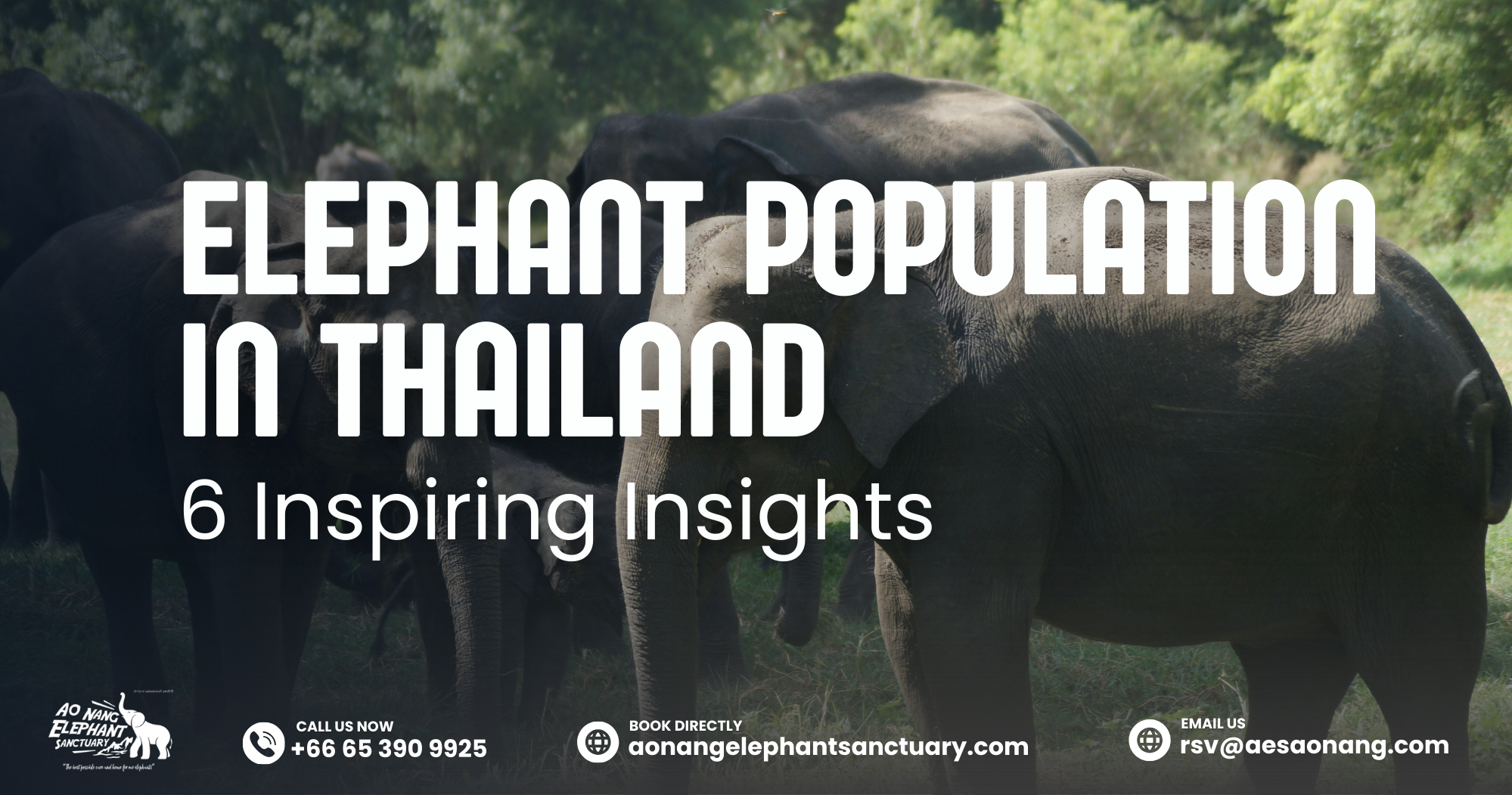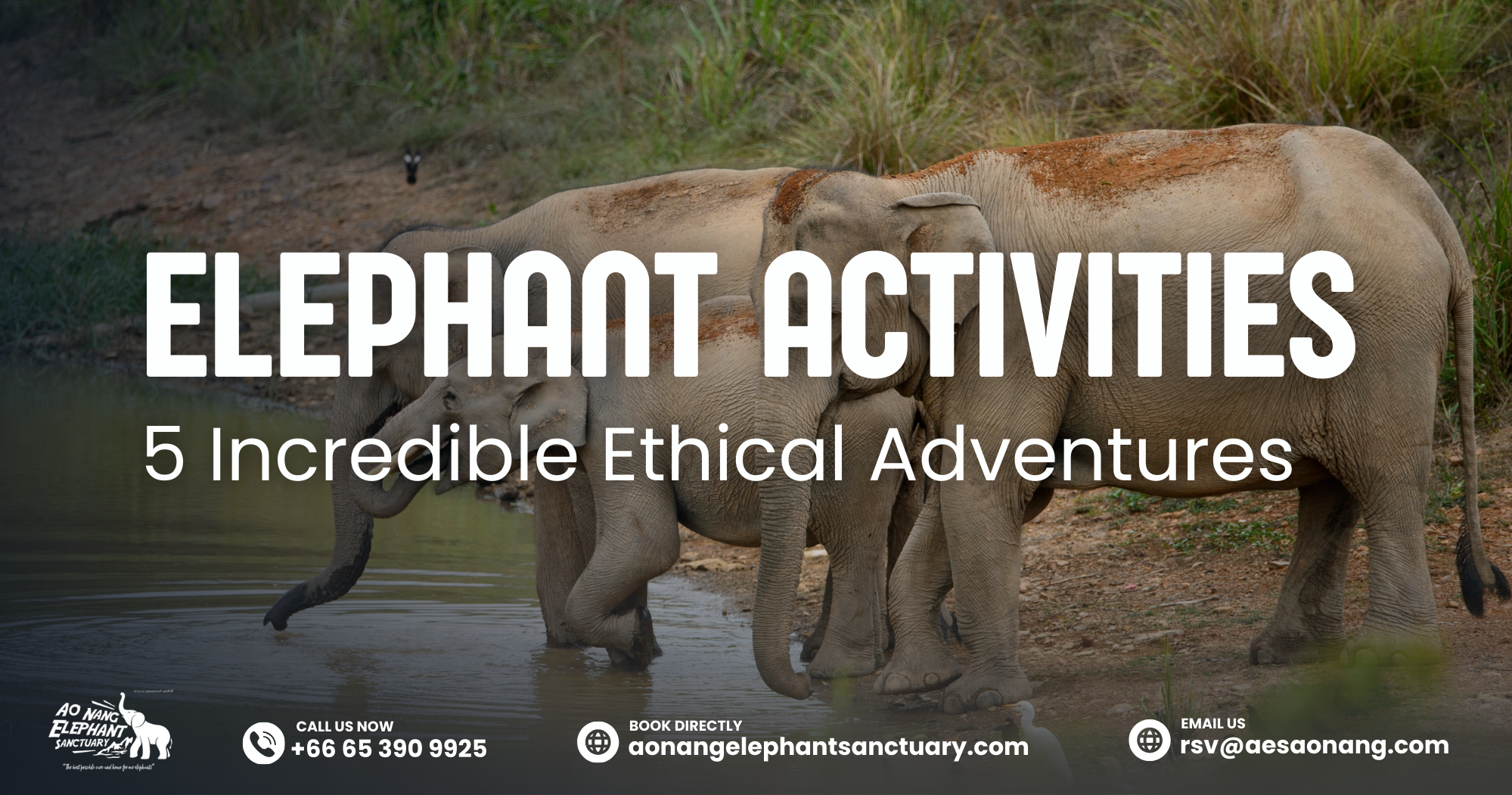
Over the years, elephant activities have undergone significant changes, particularly as the concern for animals’ welfare has increased. The modern travelers are looking for wildlife experiences that are not only meaningful but also considerate of animals.
Ethical elephant activities emphasize understanding, observing, and living in harmony. Ao Nang Elephant Sanctuary offers such experiences where visitors can connect with elephants in a way that is respectful of their dignity, safe, and reflects their natural behavior.
Changing The Notion Of Elephant Activities Via Ethics
Earlier, elephant tourism was mainly focused on fun and entertainment. This was the time when rides, shows, and forced interactions were quite common. But then, the studies and observations contributed to the awareness of cruelty, and both the physical and mental harm of the animals were brought to the viewers’ attention. Ethical elephant activities have been developed as a countermeasure to the issue of animal welfare.
Ethical sanctuaries offer a program that caters to the needs of the elephant, allowing the elephant to decide how to move, talk, and live. Then, the people would follow the elephant’s lead. This is a shift to a new type of tourism—education and conservation rather than a display.
At Ao Nang Elephant Sanctuary, the motto is put into practice in every single activity. The guests are given a chance to have a glimpse into the lives of the animals that have been shaped by their natural rhythms and different characters.
Feeding Elephants The Right Way
Among the elephant activities, the feeding might be considered the most fun and exciting in the presence of the animals, as long as it is done with good judgment. In the wild, an elephant’s diet could be so extensive, ranging from fruits and grasses to fibrous plants, and they could eat loads of it every day. The ethical feeding sessions are the ones where the visitors can help in preparing the supplementary food only under supervision.
Guests find out which foods work as a digestive aid and which contribute to the overall wellness. They also learn that some foods must be limited if they are to be in the presence of the animals. Instead of giving random food with no knowledge about what is being fed, this is a better way of getting to know the diet of the animals.
Feeding takes place in a calm, unhurried manner. Elephants come to the food at their own pace. Thus, a positive relationship is built on trust. This session helps the visitors understand elephants’ communication and behavior through subtle body language.
Walking With Elephants In Their Natural Habitat
Walking with the elephants has been considered one of the most meaningful ethical elephant activities. In contrast to riding, it is beneficial for the elephants to walk without the addition of extra weight. The visitors stand at the animal’s level and can see their gait, posture, and social interaction.
During the elephant walks, the elephants set the pace, of course. Where they will stop, explore, or feed remains their choice. Visitors keep a safe distance while the guides give an explanation about the elephant’s behavior and how they use the habitat.
Such an activity is very insightful, as it enables the visitors to witness how the elephants move and interact with each other. Walking sessions are about respect and understanding the animal, thus coinciding with the ethics of modern wildlife.
Observing Natural Elephant Behavior
Ethical elephant activities are grounded in observation. Observation of elephant communication, social interaction, and play reveals their intelligence and complex emotions. Most visitors will see elephants communicate mainly through touch, sound, and very subtle movements.
Observation sessions develop patience and mindfulness. Visitors are not only taught to interpret the cues and respect the boundaries, but also, from that point on, visitors tend to look for quiet moments instead of constant interaction. This style of watching is more like the work of scientists in the field than entertainment.
At Ao Nang Elephant Sanctuary, observation happens in spacious and natural surroundings where elephants have room for a full range of natural behaviors. Such times tend to make quite an impression and also significantly raise conservation awareness.
Why Riding Is Not An Ethical Elephant Activity

In the past, riding elephants was a synonym for adventure, but nowadays it is more seen as an old-fashioned way of tourism. The elephant’s anatomical structure is not suitable for carrying weight on the spine. Continuous riding will result in skeletal damage and chronic pain in the elephant.
The training methods used to get elephants for riding involved threat and fear as the major controlling elements. Trust is broken, and natural behavior is interrupted when such methods are employed. To safeguard both physical and mental health, ethically oriented elephant sanctuaries totally ban riding.
Removing riding helps sanctuaries to concentrate more on education and empathy. Not only that, but visitors get enlightened on why the choice of ethical elephant activities is great for their welfare.
Educational Value Behind Ethical Activities
Ethics in elephant activities is so closely tied to knowledge. The main guides, in addition to the usual commentary, will provide a wealth of insight into elephant anatomy, the social lives of the pachyderms, and the conservation challenges they face. This conversion of knowledge will definitely alter the tourists’ perspective and raise their level of awareness.
People who visited the place will know more about the destruction of the elephant’s natural habitat, the conflicts between humans and elephants, as well as the rescue of the animals. They will be encouraged to make some responsible decisions on their own that are beyond the sanctuary.
The role of education is also critical in dispelling the various myths about the behavior of elephants. When you get the chance to observe how the elephants really interact, you will be less tempted to believe in the stereotypical portrayals brought in by entertainment tourism.
A Meaningful Way To Experience Elephants
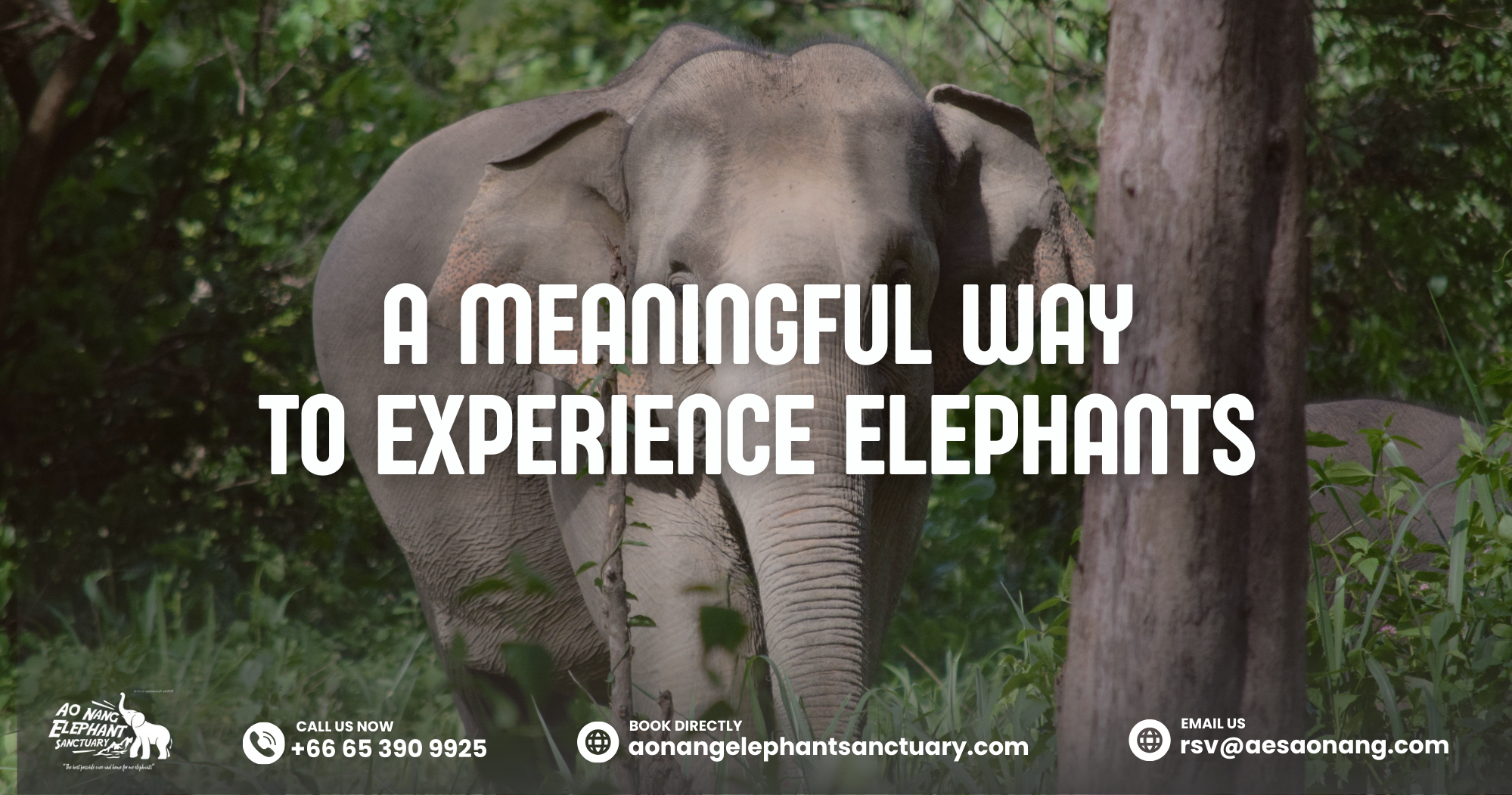
Some of the main things that make an elephant activity ethical are educational, and they promote positive feelings towards the animals. At the same time, they keep the concept of fun and entertainment. Therefore, these kinds of activities leave a memory of learning and wisdom rather than just an album of photos.
The three main ethical elephant activities—feeding, walking, and observation—change the paradigm of ecotourism by taking place in a context of compassion and responsibility at Ao Nang Elephant Sanctuary.
Selecting this type of experience not only benefits the elephants at present but also creates a pathway for a brighter future for wildlife tourism.
Reserve your spot now to get a chance to meet Asian elephants!
- Phone: +66 65 390 9925
- Email: [email protected]
- Book directly at aonangelephantsanctuary.com