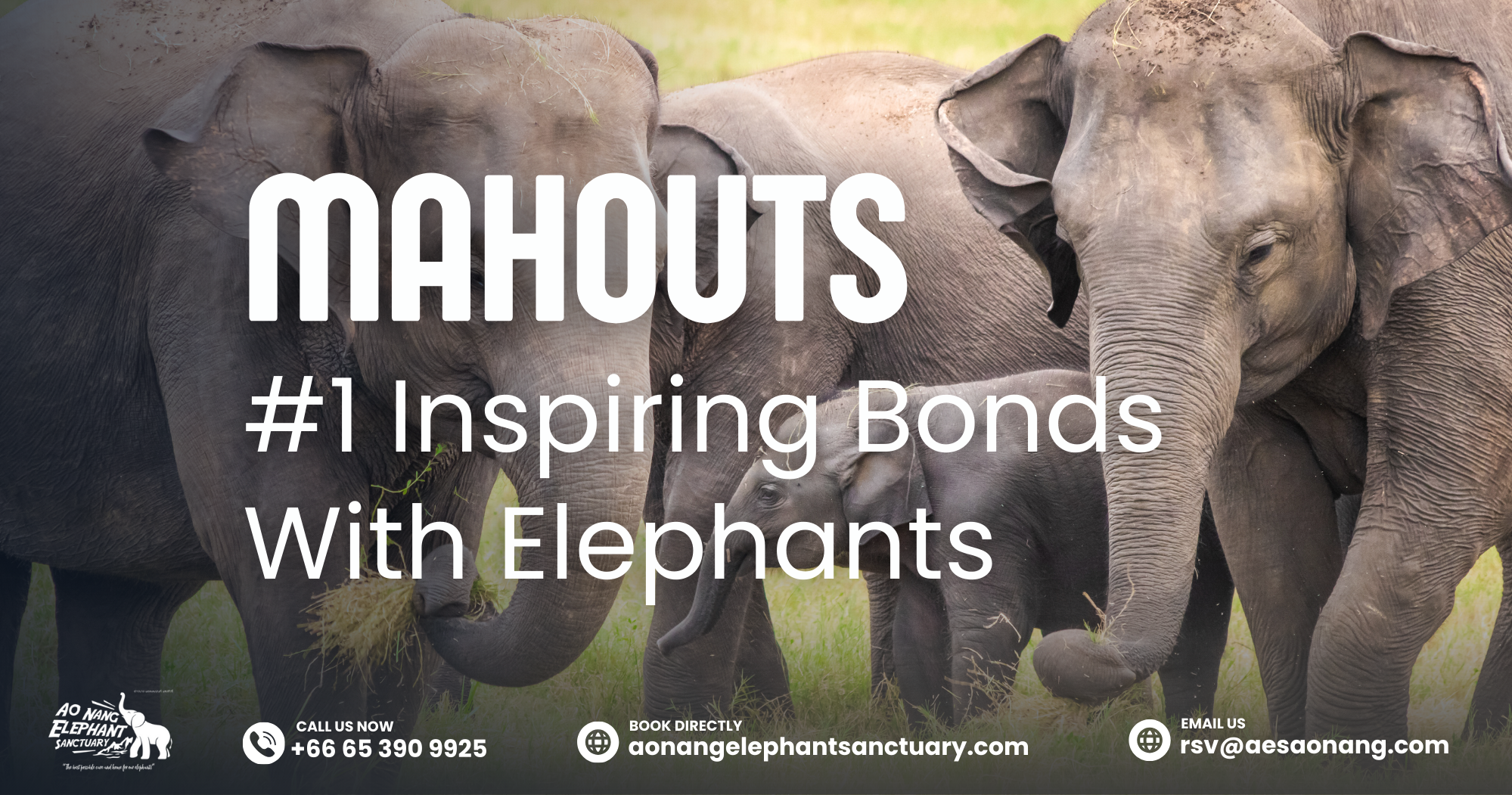
In Thailand, elephants are not only magnificent creatures; they have been symbols of history, spirituality, and culture for thousands of years. And a mahout is at the center of that historical relationship. For years, often for a lifetime, the mahout walks alongside the same elephant. Without a doubt, the link between mahouts and their elephants is one of the strongest human–animal relationships in the world. It is a bond forged over time, trust, and changing animal welfare values.
This blog looks into what a mahout is in Thailand, the connotation of the word “mahout,” the daily routines of mahouts, their place in the culture, and how the profession has changed with the rise of ethical tourism.
Who Is A Mahout In Thailand?
A mahout in Thailand is an elephant caretaker and handler who takes on the responsibility of the animal’s welfare, training, and providing care for the past. Zookeepers and animal handlers working for a limited time are different from mahouts, who typically experience a lifetime of intimate relationship with their animal.
Traditionally, the art of mahoutship was the heritage of a family in the countryside of Thailand. Most of the time, the father’s or uncle’s skills were passed on to the young boys who shared their childhood with the elephants and acquired their knowledge via observation and participation rather than attending school.
This sort of proximity and constant interaction is the very essence of a mahout. A mahout is not just the person who “controls” an elephant; instead, he shares his life with the animal, understands its moods, notices the smallest changes in behavior, and reacts with kindness and knowledge.
What Does “Mahout” Mean?
The etymology of “mahout” is traced back to the Sanskrit word mahāmātra, which means “a person in charge of great matters.” Later, the term was used to denote elephant keepers in South and Southeast Asia.
In the Thai context, the word is more reflective of the caretaker’s obligation than his dominance. A mahout is given the responsibility of working with a beast that can weigh several tons and live for over 60 years. The role is demanding and needs the caretaker to possess patience, discipline, and respect—charms in the original word.
What Are The Tasks Of A Mahout? Life And Duties Daily
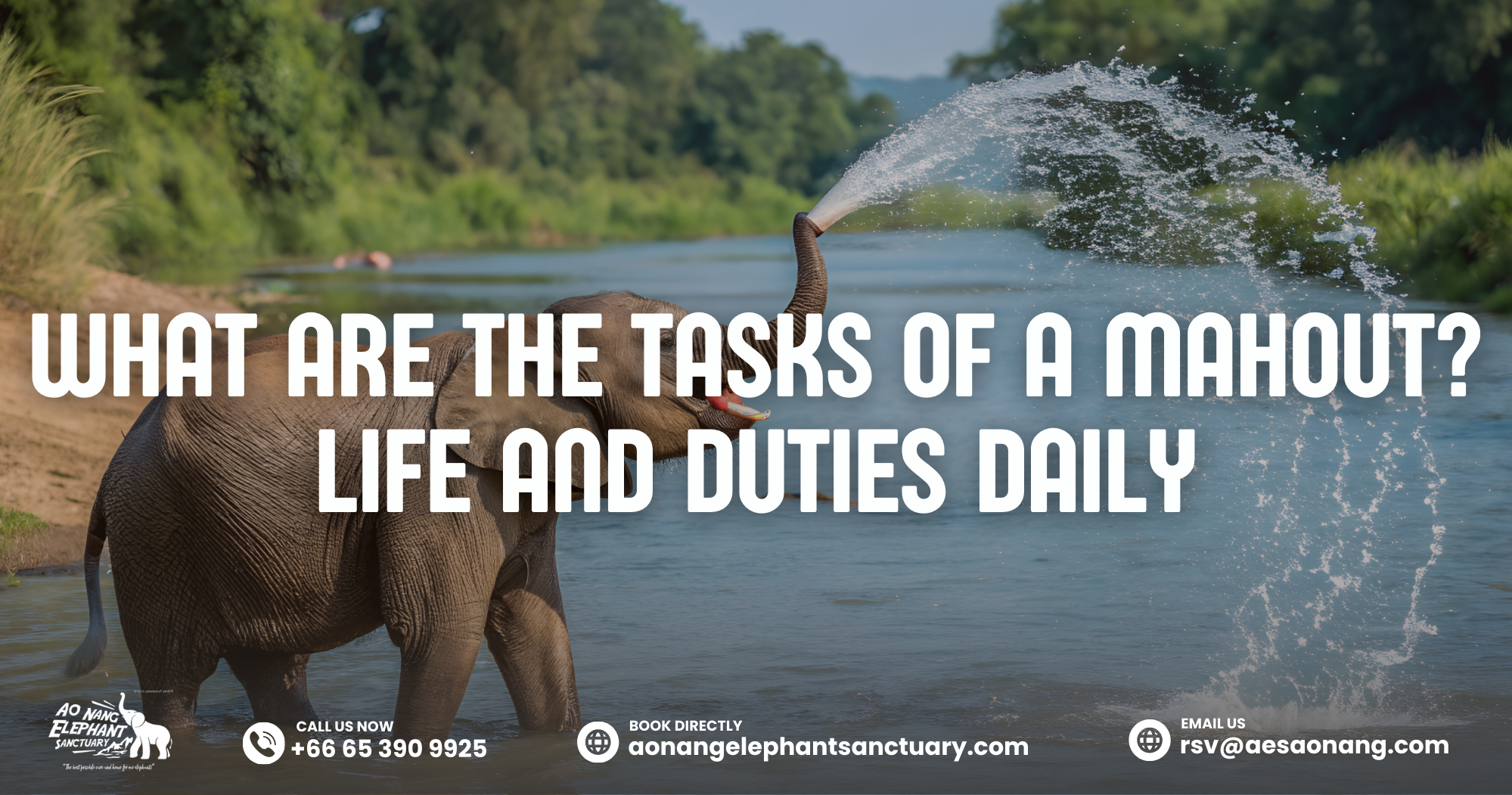
The duty of a mahout is a very demanding one. It starts before dawn and never comes to an end, being with the elephant. Riding or riding alongside is only a minor part of the mahout’s duties.
The Daily Care And Health
The mahouts take their elephants for a bath in a river, clean their skin to prevent it from getting infected, check whether or not there are any injuries, and observe their appetite and movement. Since an elephant cannot talk about its pain, the mahout’s experience and observation are the two main sources for the health check-up of the elephant.
Feeding And Nutrition
A grown-up elephant can consume a bit more than 150 kilograms of food a day. A mahout looks after the diet to include grasses, fruits, leaves, and supplements, all depending on the elephant’s age, work, and health.
Training And Communication
Old-fashioned training uses voice commands, gestures, and trust without employing physical punishment. Since each elephant has different responses, the mahouts accordingly change their manner of communication. In due course, the elephants get familiar with their mahout’s voice and even emotional status.
Emotional Bonding
Emotional care is the side of a mahout’s work that maybe is least recognized. Elephants, being smart and very social creatures, run to their mahout for companionship when they get to the sanctuary or when they come into captivity.
The Role Of Mahouts In Thai Culture

Elephants have been a symbol of holiness and royalty in Thailand since ancient times. White elephants represented the king and his blessings, and they played a significant role in wars, wood transportation, and various royal and religious ceremonies.
Thus, mahouts held an esteemed position in the social pyramid besides simply being workmen. People regarded them as having an exclusive double knowledge and a special spiritual link with elephants. According to some beliefs, a ceremony would be done before a mahout was officially given an elephant, thus highlighting the theme of harmony and mutual respect.
Local stories, shrine paintings, and historical glimpses of the past consistently illustrate mahouts being beside their elephants, thus representing faithfulness, endurance, and the right mixture of man and nature.
The Deep Bond Between Mahouts And Elephants
A partnership between a mahout and his elephant develops gradually. In old-style scenarios, a mahout might be with a single elephant for as long as 40 years. They come to know each other’s behaviors, dislikes, and tastes.
Whenever an elephant is taken away from its mahout, it is distressing, as shown by the anger and sadness of the elephant, whereas the joy at the reunion is also very demonstrative. On the other hand, numerous mahouts state that they regard their elephants as close relatives rather than animals. In fact, the relationship is not just emotional but also important from a safety and collaboration standpoint.
Only through trust can a mahout take an elephant through difficult terrains, medical treatments, or social interactions smoothly without using force or threats. If trust drops in this relationship, then both sides could get hurt.
How Traditions Have Evolved Over Time
Together, elephants and mahouts were deeply integrated into Thailand’s timber industry throughout the 1900s. When logging was prohibited in 1989, the lives of thousands of elephants and mahouts changed overnight as they were left without an income source. Tourists have been wooed by elephant rides, shows, and street acts ever since by both mahouts and elephants.
Nevertheless, increased concern for animal rights has altered the general mindset drastically. Thus, various traditional practices that included the use of control instruments as well as wild acts faced condemnation, and as a result, the way mahouts engaged with these animals has changed.
Currently, some mahouts are learning new ways of handling and are also switching over to a gentle technique where dominance is replaced with loving care.
Mahouts And Ethical Tourism In Modern Thailand
Environmentally responsible elephant tourism has become the most important aspect of the current mahout’s work. Wildlife refuges and nature parks, for example, used to put the emphasis on observation, behavior in the natural state, and wildlife rehabilitation, but not on the circus shows.
Changing Responsibilities
The new generation of mahouts often end up as caretakers, interpreters, and lecturers. They can introduce the visitors to the elephant’s psychology, tell about the issues of the elephant’s environment, and show the right way of getting close to an elephant, even by a different approach.
Improved Welfare Standards
Going for ethical tourism means you have to do away with the rides, shows, and other forms of disturbance. Mahouts will have to be on the front line in implementing these standards because if they are not, they could discourage elephants from roving freely, mingling with each other, or simply having a stress-free life.
Challenges Mahouts Face
Even though all is well and good, many mahouts still find it difficult to meet because they get little pay, have no access to education, and are insecure in their jobs. The change from the conventional or exploitation-based tourism to the standards of the new era doesn’t come easy, and that is why it is so important for the stakeholders and the visitors to provide not only training but also financial aid and commitment for the long run.
Preserving The Mahout–Elephant Relationship

With the changes in tourism, it is very important that the real connection between mahouts and elephants be preserved. Removing the use of violence doesn’t mean you have to get rid of mahouts. Actually, experienced mahouts are necessary not only for the elephant’s welfare but also for their rehabilitation and conservation efforts.
The future era of mahoutship should be one of mutual respect with fair wages and mahouts being recognized as animal welfare professionals instead of just entertainers. Thus, this can happen through supporting ethical sanctuaries, practicing responsible tourism, and respecting the cultural context.
Conservation Through Human–Elephant Bonds
Humans, through the relationship between mahouts and elephants, have obtained one of the most remarkable animal relationships. In Thailand, mahouts are very important, and this is manifested in the history, language, and culture of the people. Nevertheless, they have still managed to integrate modern values into their role.
The mahouts are at the center of elephants’ lives, from their care, bonding, and education of the elephants to guiding the tourists. Understanding the work of mahouts and the reason behind their relationship with elephants enables travelers and the general public to comprehend that true conservation is not about disconnecting humans from nature but rather about building relationships on the basis of kindness, responsibility, and respect.
Reserve your spot now to get a chance to meet Asian elephants!
- Phone: +66 65 390 9925
- Email: [email protected]
- Book directly at aonangelephantsanctuary.com