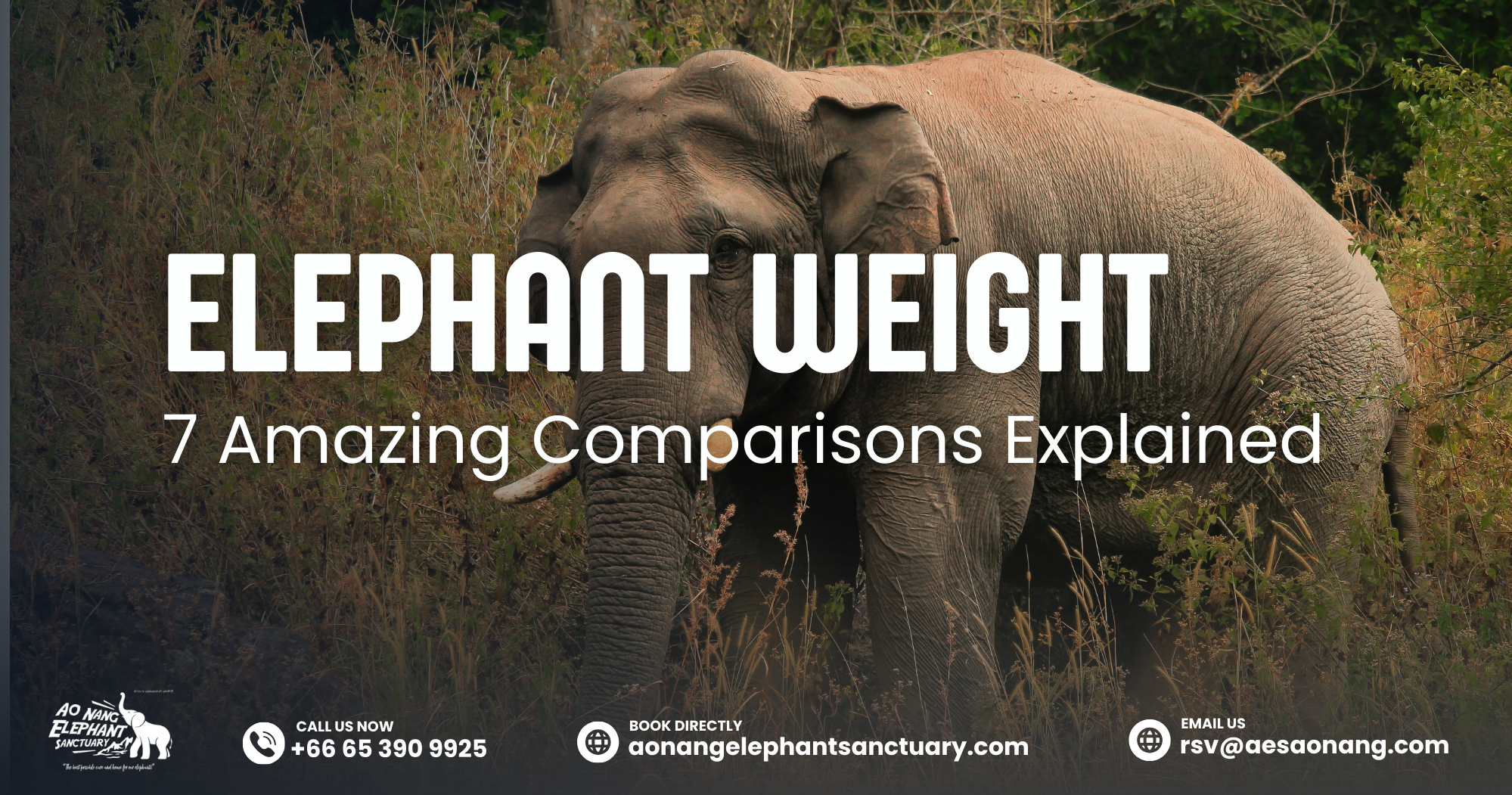
Elephants have been dominating the earth with their massive bodies for a long time. It is always the case that when people ask for the weight of an elephant, they expect one exact answer. If truth be told, 4 factors determine the weight of an elephant: species, age, sex, and the environment it lives in. From the tiny, adorable baby elephants to the huge elephant bulls, the weight of an elephant can vary significantly.
Figuring out the number of weights of an elephant is much more than just a fun fact that can be thrown around. The enormousness of these animals exerts influences on various aspects of their lives, such as health, the way they move, the kind of environment they live in, and the amount and type of food they need. What is the exact weight of an elephant, to what extent do the species differ from each other in size, and what role does weight play in ensuring that these creatures survive? These are the themes of the following paragraphs.
How Much Do Elephants Weigh?
One could answer the question of “Weight of an elephant?” simply by saying that it varies depending on the species.
- African savanna elephants have the largest bodies among all elephant species. Mature males have a weight that typically ranges from 4,500 to 7,000 kg (10,000 to 15,400 lbs.). On the other hand, the females’ weight ordinarily ranges from 2,700 to 3,600 kg (6,000 to 8,000 lbs).
- African forest elephants are quite diminutive in comparison. The adult forest elephants have a weight that is roughly from 2,000 to 4,500 kg (4,400 to 9,900 lbs.).
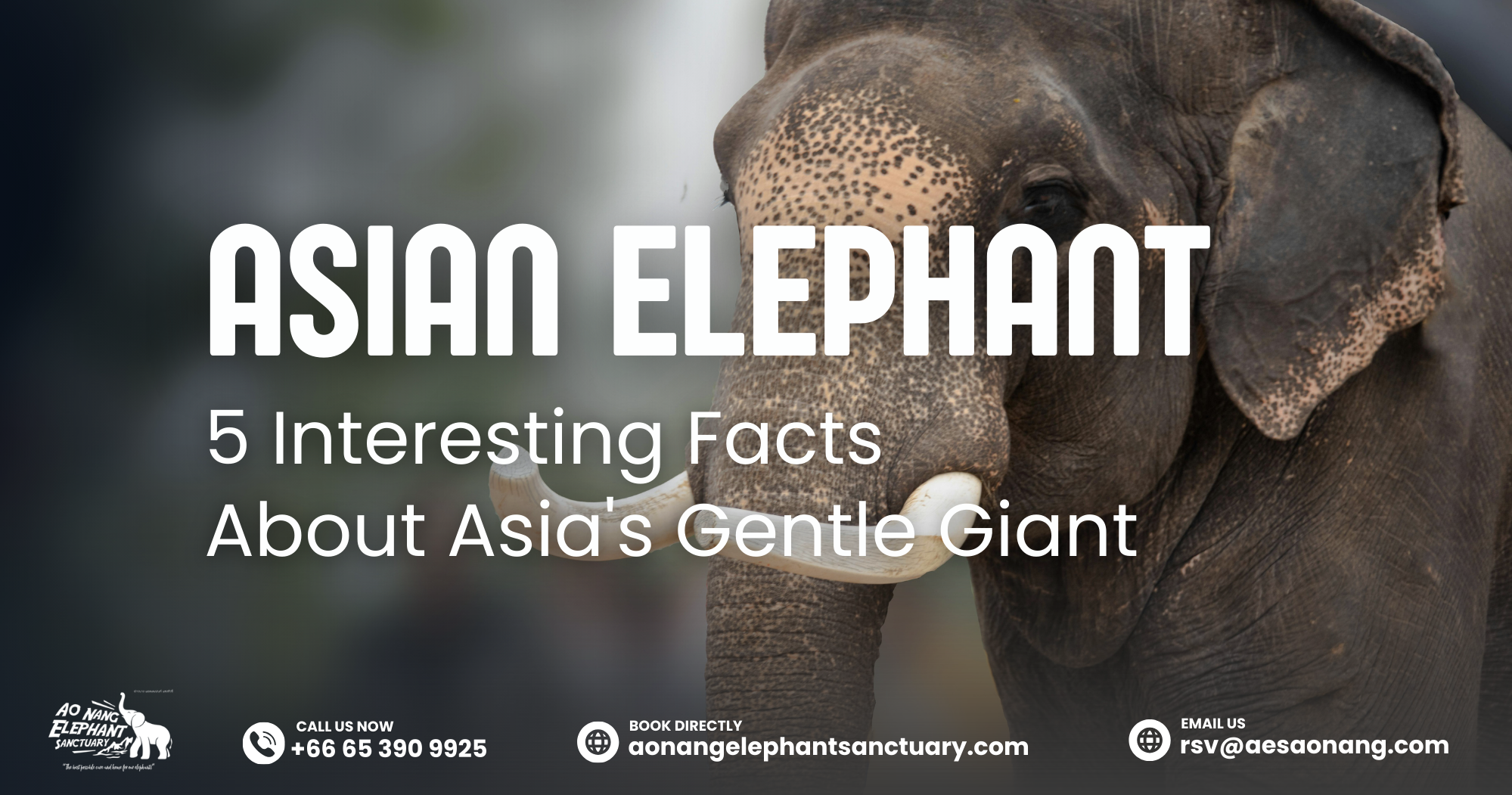
- Asian elephant weights fall somewhere in between these two extremes. The fully grown males weigh approximately 4,000 to 5,500 kg, whereas the females have an average weight of 2,500 to 3,500 kg.
Before they are even a day old, elephant babies‘ weights are about 90-120 kg (200-260 lbs.). In a few months, the little ones grow so fast that they almost double their weight since they have unrestricted access to the nutrient-rich milk of their mother and are always being fed.
The most massive elephant that was ever weighed tipped the scales at over 10,000 kg. This particular animal is one of the largest living things on the planet that has ever been described thus far.
Is An Elephant Presently The Largest Land Animal By Weight?
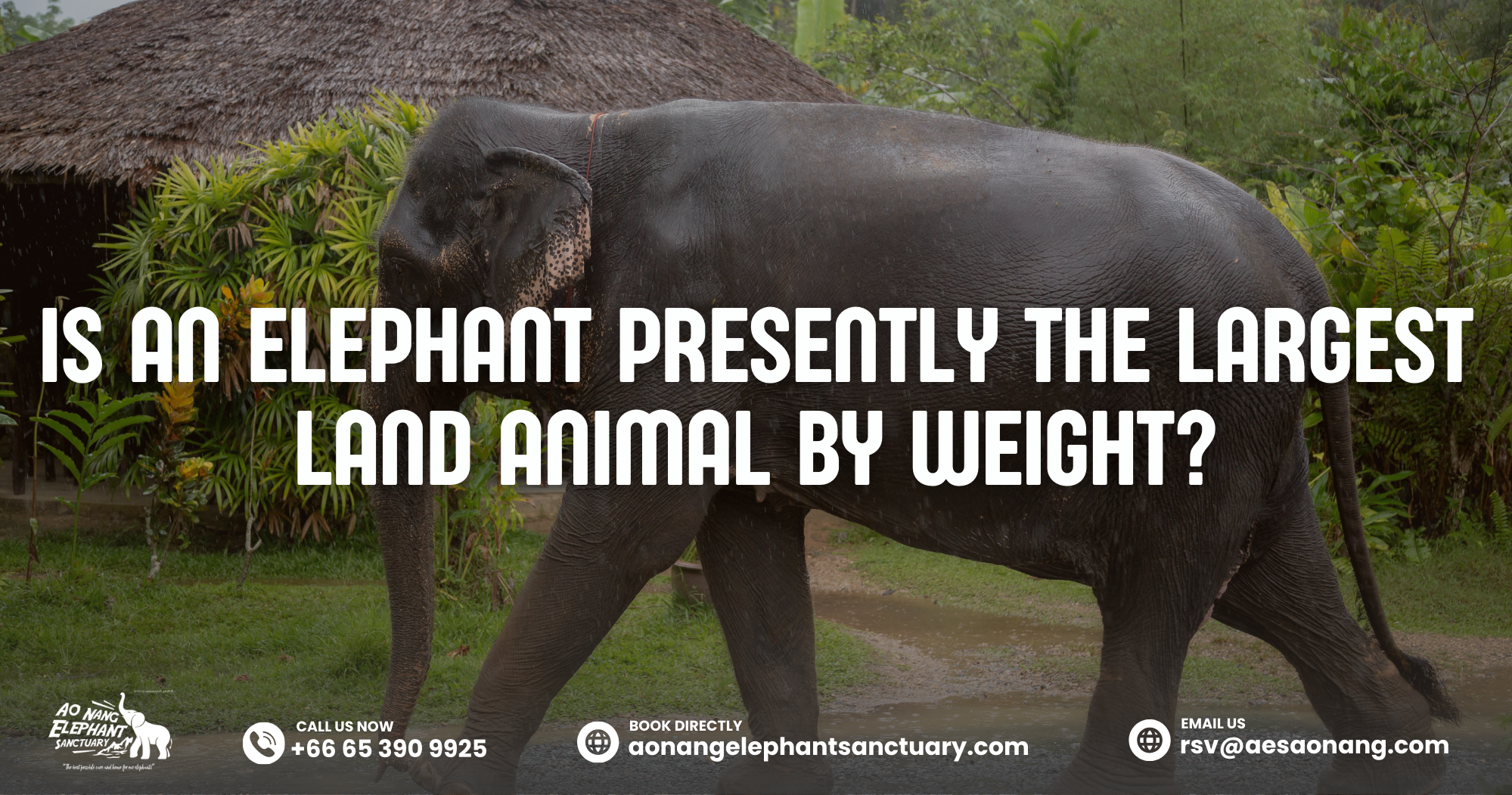
An elephant is indeed the largest land animal by weight nowadays. There isn’t any other land mammal that comes close to matching their body mass. Take, for instance, white rhinos, which can weigh as much as 2,300 kilograms; nevertheless, that is still a far cry from a fully grown African elephant bull.
On the contrary, if we consider all animals, then elephants are not the heaviest ones. The blue whales are the heaviest animals, by a whopping margin. But on land, elephants are the undisputed giants in both height and weight.
Weight Of An Elephant: Comparison Across Its Different Species
African Savanna Elephant
It is this species that tops the list as the largest among all elephant species. The males generally grow bigger in terms of height and weight than the Asian elephants. Their huge ears and wide bodies are sufficient to hold up their heavy weights. Their size enables them to cover long distances while walking on open savannas.
African Forest Elephant
Forest elephants are much smaller and stockier in comparison. They inhabit rainforests, which are so thick that a lighter body helps them to move through the dense vegetation.
Asian Elephant
Overall, Asian elephants are a bit smaller than their African counterparts. They also differ by having a rounded back and ears of smaller size, which are relative to those of African elephants. Although they weigh less, they are just as strong and capable as before.
How Elephant Weight Impacts Their Movement
Elephants can weigh many tons, and yet they are very efficient movers. They can cover a distance of 25 kilometers a day when looking for food and water. A quick run can propel them to a pace of 25 kilometers per hour. Their feet have thick layers of fat, which essentially work as shock absorbers. Such pads minimize the pressure on the joints and also assist in evenly spreading the body weight. Locomotion, in this case, would have been very painful if not for the presence of this adaptation.
Diet And Its Impact On The Elephant’s Weight
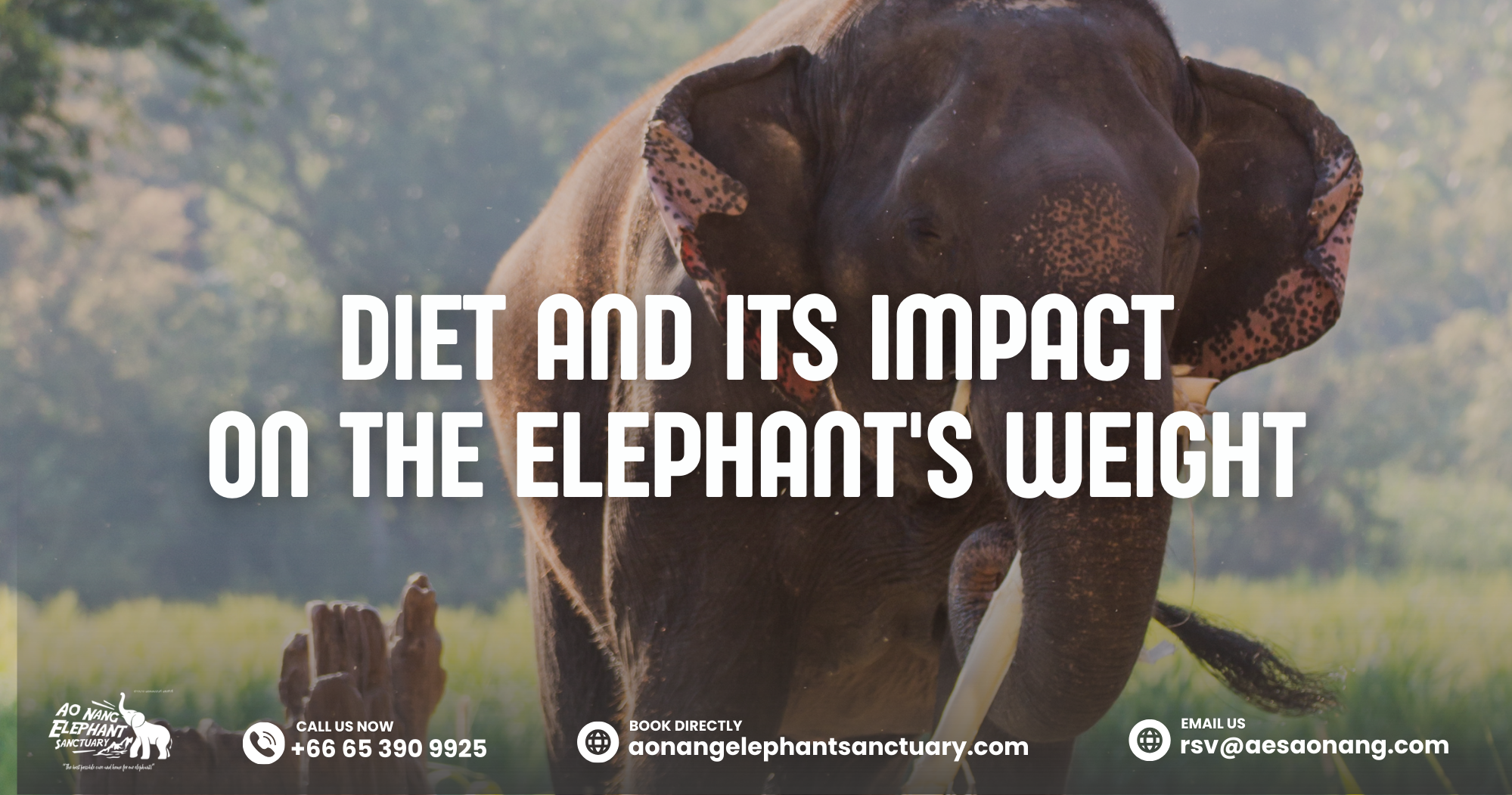
Elephants are herbivores, and their stomachs are enormous. A grown-up elephant can eat 150 to 300 kilograms of green stuff in one day. Besides this, they also take about 200 liters of water daily. Their meal is made up mainly of grass, leaves, bark, roots, and fruits. As plant materials are not high in calories, elephants must constantly eat. Indeed, they dedicate up to 16 hours to feeding. Elephants in the wild vary their food intake naturally by moving to different feeding areas. At the sanctuary, the keepers come up with the diets that replicate the natural ones. They do this by giving the elephants vegetables rich in fiber instead of sweet ones to keep a healthy weight.
Weight Gain And Growth Through Life Stages
Elephants are known to have sustained growth for a large part of their lifespan. Newborn calves can multiply their birth weight twice within a few months. For the first couple of years, they primarily feed on their mother’s milk but start eating more plants gradually.
Since young elephants are rapidly increasing their skeleton and musculature, they also accumulate body mass quickly. Teenagers still exhibit growth, but at a slower rate. Male elephants are naturally larger and heavier in comparison to females, and this difference is more pronounced after they attain maturity.
Elephants’ droppings and their associated dental wear in the geriatric stage may ultimately contribute to their weight loss. The molars are responsible for chewing, and if the teeth are worn, chewing becomes very difficult. This can lead to a decrease in food consumption and, consequently, a slow weight loss.
How Habitat Influences Elephant Weight
The quality of habitat has a direct effect on the weight of an elephant and its overall state.
Elephants in the wild are able to cover long distances as they look for food and water. The availability of food is dependent on the season. One of the effects of droughts on animals is the loss of weight as a result of the decrease in vegetation. If a region is blessed with plentiful resources, elephants can sustain their good body condition. They can get through seasonal food shortages by moving.
In the case of a fenced area that is under a certain care program, the habitat design becomes a primary consideration. Only freedom of movement and access to natural grazing can contribute to the health of kept animals. If a park is small and the food comprises high-calorie foods, then this may lead to an increased risk of obesity among the animals.
Signs Of Healthy Elephant Weight
Healthy elephant weight is an outcome of the right combination of diet and exercise. To check that, a vet looks at several parameters: Good body condition is indicated by ribs that are just visible but not sticking out. A well-glided but solid muscle tone is a sign of strength. Having constant energy and normal walking habits are signs of joint health. When elephants are underweight, they may have some bones showing and be less energetic. If elephants are overweight, there will be some fat deposits, and their movements will be slower.
Why Elephant Weight Matters For Conservation
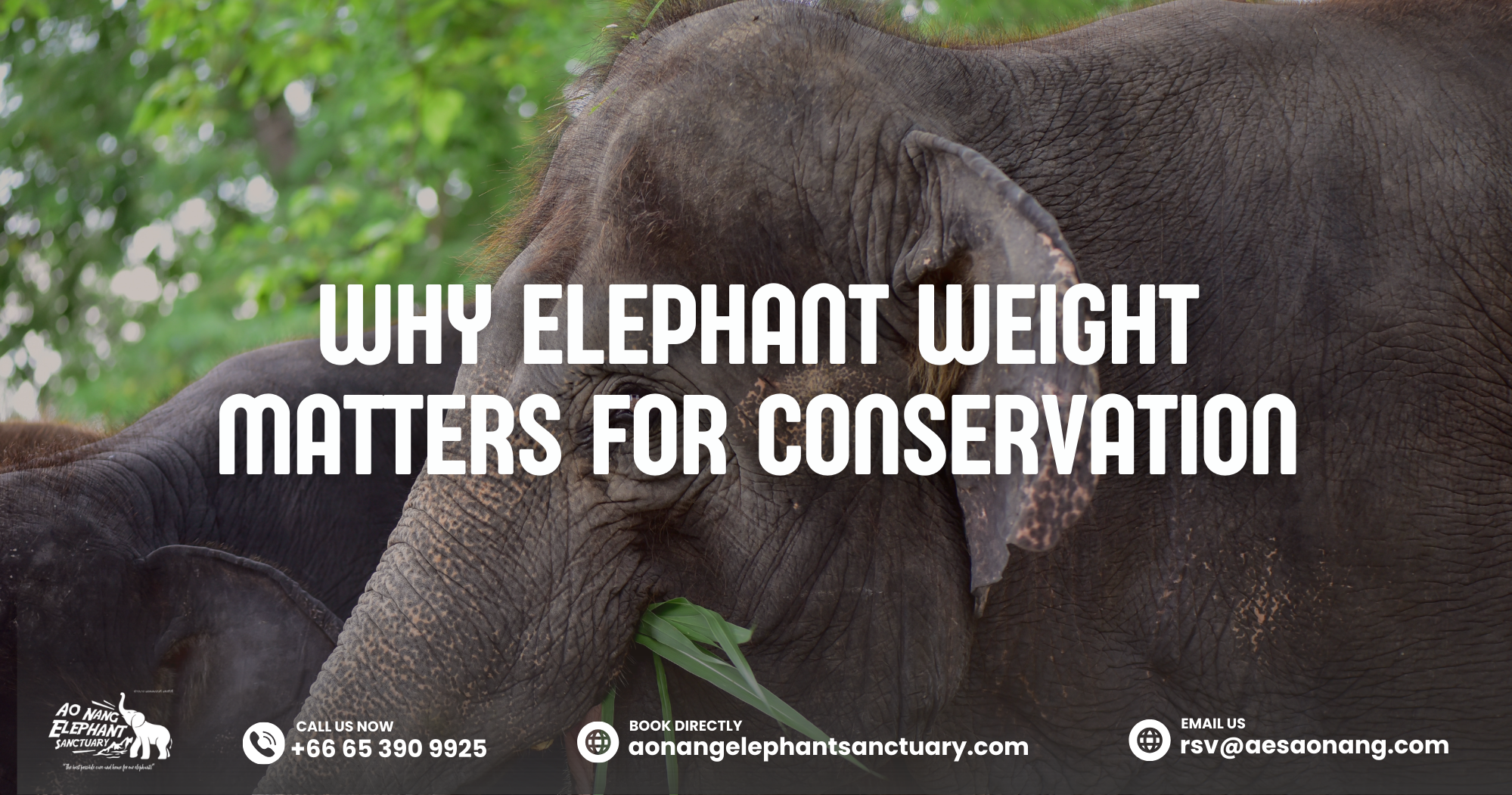
Elephant weight is a tell of the overall health of the ecosystem. If there is a drastic drop in weight among wild populations, it could mean that the habitat has been degraded or that there is a food shortage. Apart from that, human-elephant conflict can be another factor affecting weight. Elephant crop raiding is a case when elephants sometimes put on weight as they get a lot of calories from crops in the farmland. However, such behavior poses greater risks for both humans and elephants.
Reserve your spot now to get a chance to meet Asian elephants!
- Phone: +66 65 390 9925
- Email: [email protected]
- Book directly at aonangelephantsanctuary.com