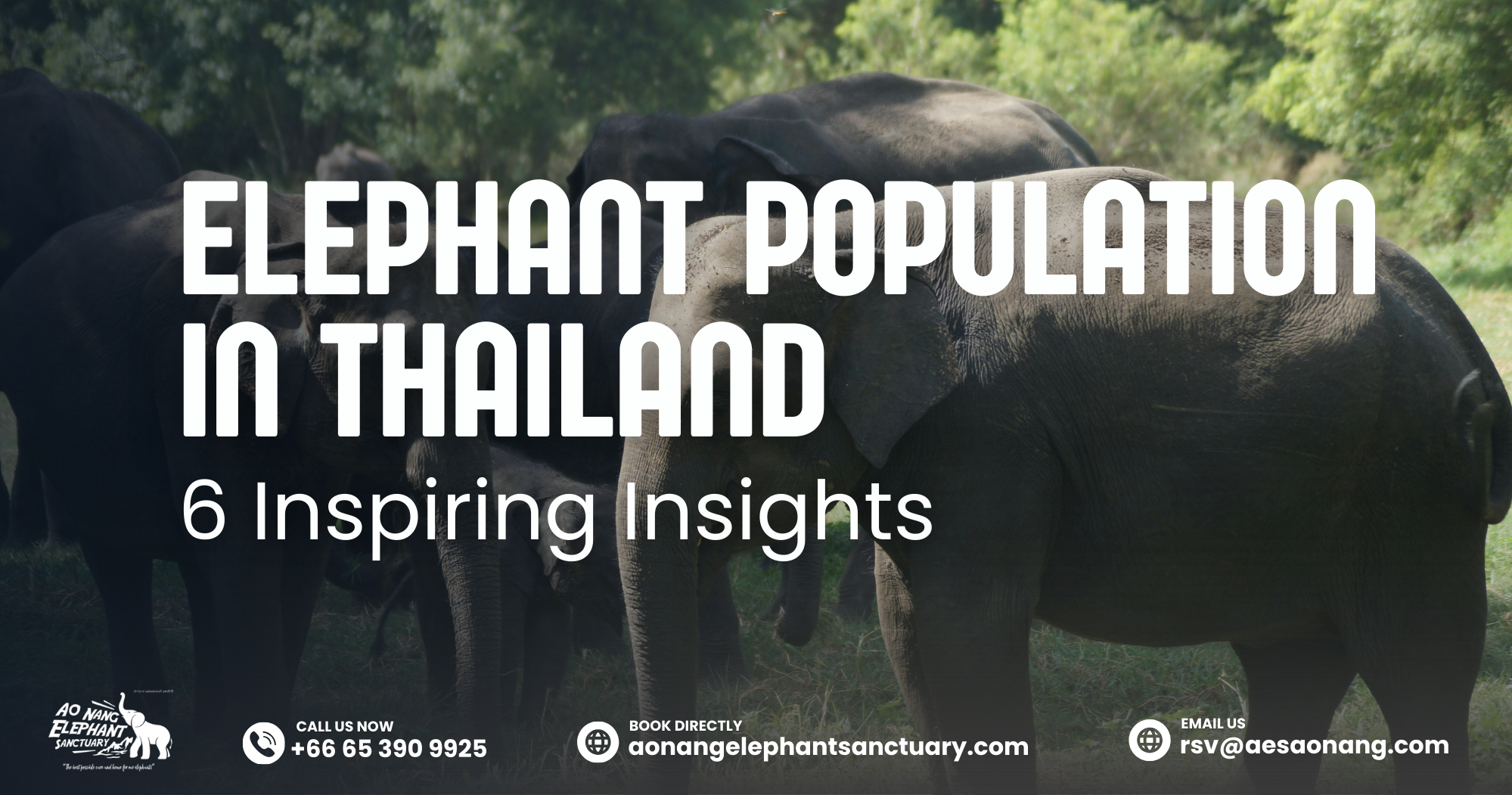
Elephants have been one of the things that most fascinates the human mind. For instance, their intelligence, the mutual help in the family, and their huge volume are the things that make elephants the most fascinating living beings on Earth. However, besides their generally recognized image, it is a different picture that is revealed—a story of diversity, evolution, and survival.
As it is stated, they are just one kind of elephant, whereas now three separate species of elephants are recognized worldwide, and each one is a product of its environment and the past. These distinctions make us realize the fact that these giants are awfully great and also the reason why they need to be guarded.
How Many Elephant Species Are There?
For a long period, animal sources considered that there were just two types of elephants, i.e., those that live in Africa and those that live in Asia. However, with the aid of the latest genetic changes, scientists can get a clearer understanding of the evolution of elephants than they did before. Now, the animal kingdom answers this question this way:
- African Savanna (Bush) Elephant (Loxodonta africana)
- African Forest Elephant (Loxodonta cyclotis)
- Asian Elephant (Elephas maximus)
Moreover, three is the number of elephant species and not more than that. The differences in characteristics, size, behavior, living area, and even the social groupings are the three types of elephants, each varying. The difference between an African savanna elephant and an African forest one is as big as the difference between lions and tigers at the genetic level. Conservationists have been influenced by this fact in their decision-making regarding the protection of the two species, as they have been exposed to different types of threats and different levels of population.
African Savanna Elephant: The Biggest Animal To Walk On Earth
Perhaps if you envision a grand tusked elephant dominating a bare stretch of land, then most likely that is the picture of the African savanna elephant that you have in your mind. To some extent, this animal is very much like what the people would presume an elephant to be—a huge one with long twisted tusks. Besides that, savanna elephants are not only famous for their appearance, but they are also well known for their incredible size.
These are the biggest creatures that have ever walked the earth, and the male can be as tall as 13 feet at the shoulder and weigh more than 6 tons.
Once again, their immense ears—formed in a way quite similar to the African continent, assist the animals to keep cool in the scorching sun. Their long, twisted tusks help the animals to dig, peel off bark, and protect the herd against enemies.
Desert elephants are keeping to large matriarch-led groups, making a kind of yearly migration that covers several miles and is in search of food and water. The elephants of these large spaces of land have been easier to follow than before, but the gradual loss of their habitat and human conflicts are still killing them off.
African Forest Elephant: The Elusive Giant Of Central Africa
Compared to the savanna elephant, the African forest elephant is smaller in size, and the color of its skin is darker. It is much more secretive than the first one, too, and it can be found only in the rainforests of Central and West Africa. It was considered a minor subspecies of the African elephant for several decades. But later on, genetic investigations found out that it is a totally different species.
Forest elephants have straight tusks, and their ears are more circular in shape. Besides that, they are smaller-bodied animals, which helps them to move in the thick forest more easily. Their tusks are bending downward, and that enables them to separate the densely grown trees. As a result of forest elephants living in far-off, heavily forested areas, they are less approachable for research. Their secretiveness has not, however, protected them from danger, as the case is that they are critically endangered because of poaching and rapid deforestation.
Asian Elephant: The Cultural Heart Of Asia
You can easily recognize an Asian elephant by its smaller ears, arched back, and single-domed head. For that matter, the Asian elephant is smaller than both the African elephants. But the Asian elephant is still among the largest mammals in the world.
They are also found in India, Sri Lanka, Nepal, Thailand, Laos, and other areas of Southeast Asia. There is a condition that not every male Asian elephant has tusks. There are male makhnas (tuskless) in the populations that have them.
Asian elephants have been a part of the culture and the history of human societies for a very long time. They were used in ceremonial processions, forest activities, and temple traditions. However, despite their cultural significance, their number has dwindled as a consequence of habitat destruction and the increase in human-elephant conflicts.
Largest Elephant Species?
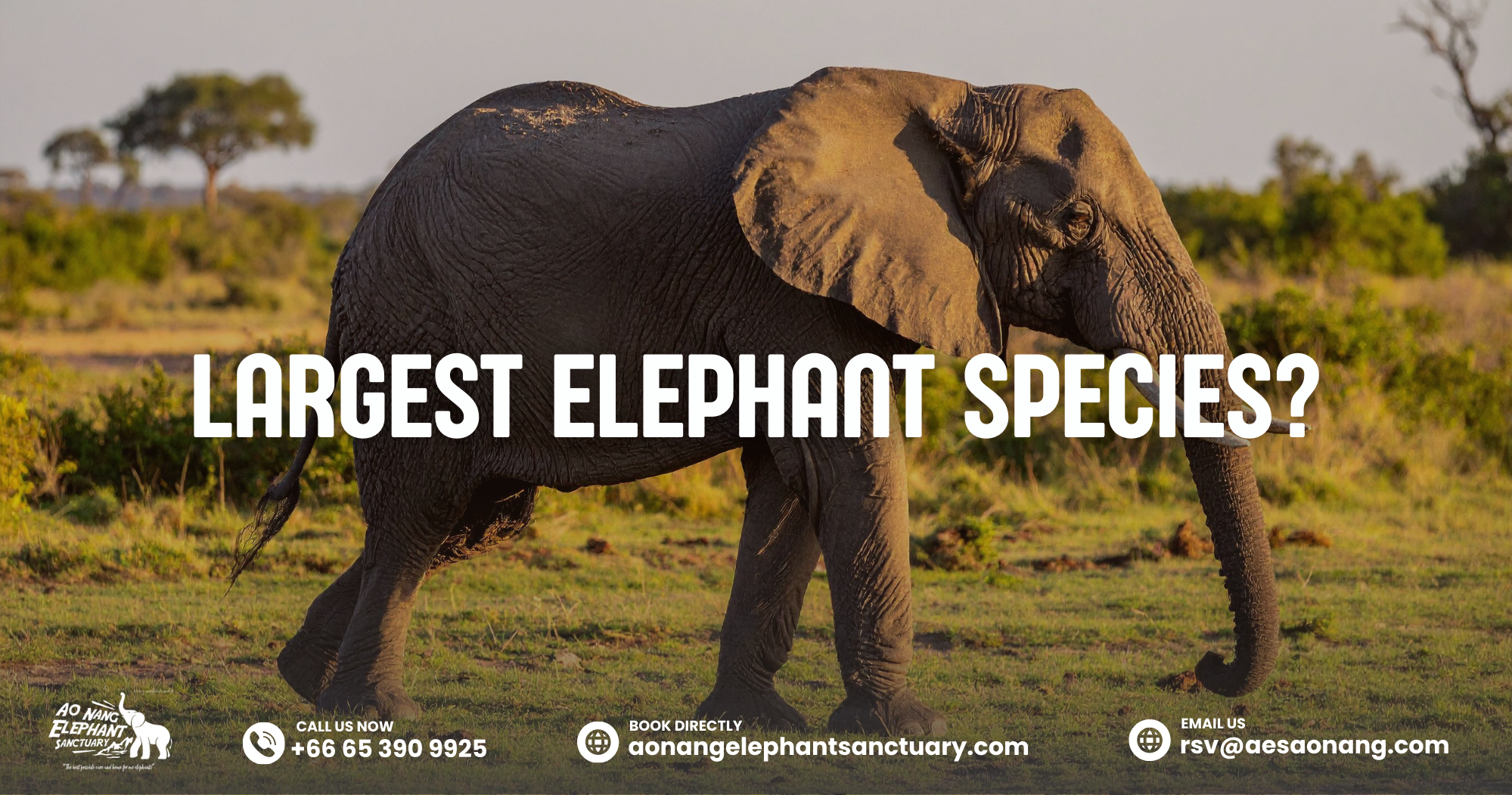
By far the biggest of the elephant species is the African savanna elephant. Besides, being the largest elephant, it is also the heaviest land animal of the present time.
The difference can be easily understood by this comparison:
- The height of a male African savanna elephant may reach 13 feet, and its weight can be a little over 6 tons.
- The height of a male Asian elephant will generally not exceed 10 feet, and its weight will be around 4–5 tons.
- Forest elephants are the smallest ones out of the three, but they are still very large, and usually, their height is less than 8 feet.
The large size difference affects almost everything, from feeding habits to the animals’ social structure. For instance, the diet of savanna elephants can be made up of up to 300 pounds of different kinds of vegetation on a daily basis, whereas forest elephants mostly eat fruits and the softer parts of plants that they find in the forest.
Elephants In Thailand
Only one species of elephant is native to Thailand, i.e., the Asian elephant. These beautiful animals are an indispensable part of Thai culture. To add to that, they are present in the traditional art, folklore, festivals, and even as national symbols. Punch-line-wise, elephants in Thailand were used in the logging industry, temples, and the royal processions in the past. Presently, since the use of elephants for logging has been almost completely stopped, most elephants are residing in sanctuaries and conservation camps.
While traveling in Thailand, it’s achievable to notice the below:
- Wild Asian Elephants (Chang in the local language)
- Domestic or Captive Asian Elephants (also Chang in the local language)
The wilderness of these animals is open to Khao Yai and Kui Buri National Parks. The captive elephants live under human supervision—the good news is that some of them are in rescue centers and have an ethical lifestyle, while unfortunately, some are in the tourists’ facilities. Because of the raised awareness, the demand for the elephant tour in Thailand that pays more attention to welfare and natural behavior and less to the entertainment aspect is increasing steadily.
Key Differences Between The Three Elephant Species
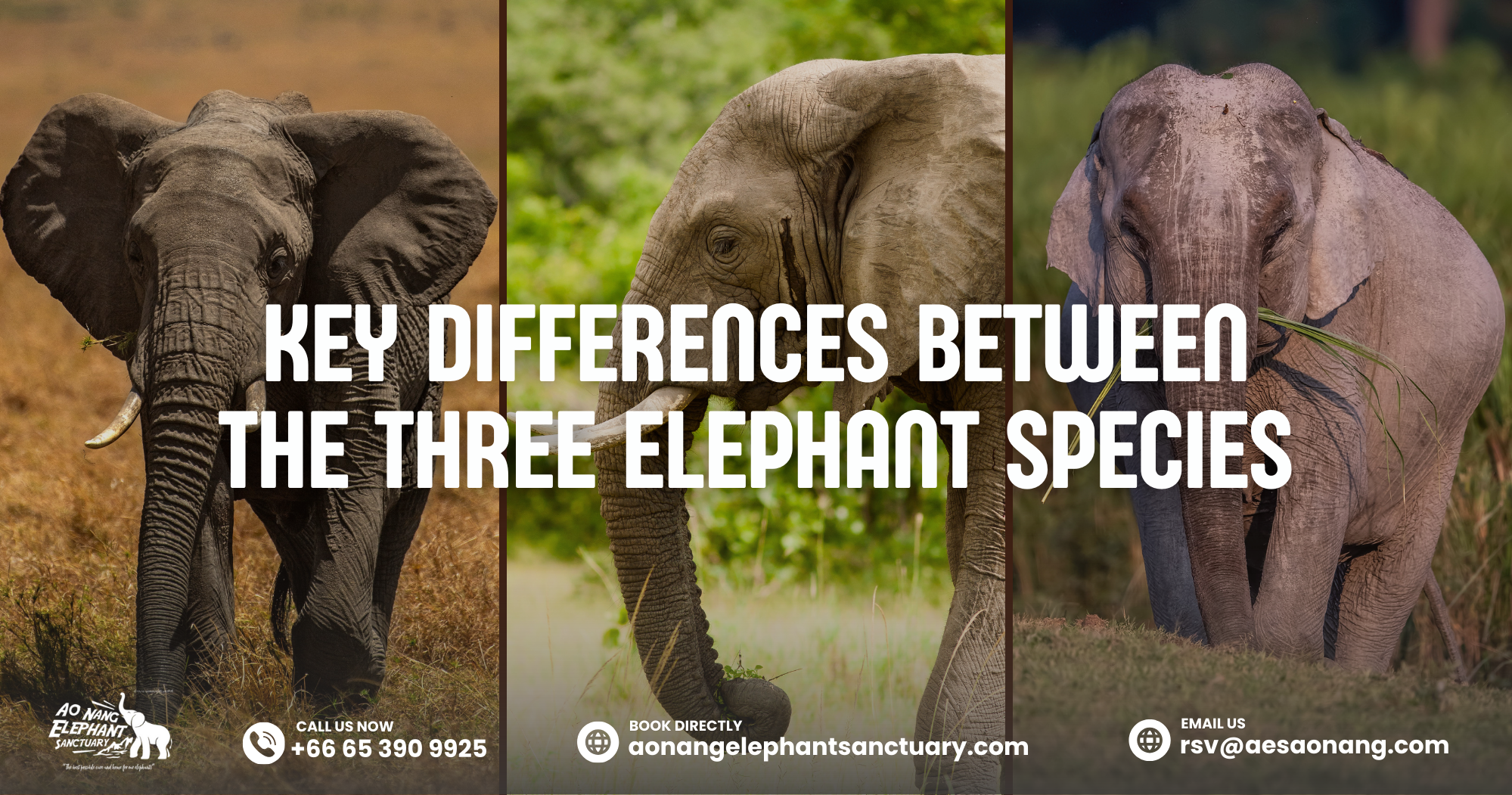
The main differences that separate one elephant species from the others become more visible if the differences considered here are taken into account:
| Feature | African Savanna Elephant | African Forest Elephant | Asian Elephant |
|---|---|---|---|
| Ears | Largest ears | Average-sized ears | Small, rounded ears |
| Tusks | Both males and females have tusks | Both males and females have tusks | Only some males have tusks |
| Body shape | Sloped back | Compact body | Curved spine, twin-domed head |
| Habitat | Grasslands | Rainforest | Forests, grasslands, hilly areas |
| Genetics | Genetically distinct from forest elephants | Genetically distinct from savanna elephants | Separate lineage from African species |
The differences here not only influence the physical look of the elephants but also what they eat, how they travel, how they talk to each other, and how they interact with their surroundings.
Why Understanding Elephant Species Matters For Conservation
Knowing about the 3 elephant species allows putting the most effective measures for their saving. Besides that, it suggests that each species is endangered by different factors, e.g.:
- African savanna elephants: The cutting down of their habitats and the spreading of agriculture, which eventually lead to the loss of the area they live in, are the most important causes that threaten the number of these animals.
- African forest elephants: The killing for ivory and a quick deforestation of the African tropical forests where they live are the main reasons for this group of animals to reach the extinction level.
Asian elephants: The difficulties of living among humans and the loss of forest corridors caused by fragmentation and development are only a few of the reasons why these creatures are struggling to survive.
It is necessary to implement different conservation strategies for each animal species. For instance, it can be the case of savanna elephants that require safe migratory routes over large areas of land, while forest elephants need the conservation of deep forest ecosystems. Community-based conservation is the right way to support Asian elephants, as they are very often found living close to villages and farms.
Respecting Elephant Species: Diversity, Roles, And Survival Final

The elephants of the world are the species that tell an extraordinary story of their adaptation, diversity, and survival. Even though they share a few common traits, like being socially connected, highly intelligent, and having an emotional capacity comparable to that of a human, each species is a separate narrative influenced by its environment.
The African savanna elephant with its gigantic form, the shy forest elephant living under a thick canopy, or the culturally revered Asian elephant of Thailand, just to mention a few—these are the beings we live with and are not less than worthy of our respect and protection.
Knowing the differences between elephant species is not only about pointing out the distinctions. It implies recognition of their roles in the ecosystem and taking measures to ensure their survival in the future.
Reserve your spot now to get a chance to meet Asian elephants!
- Phone: +66 65 390 9925
- Email: [email protected]
- Book directly at aonangelephantsanctuary.com