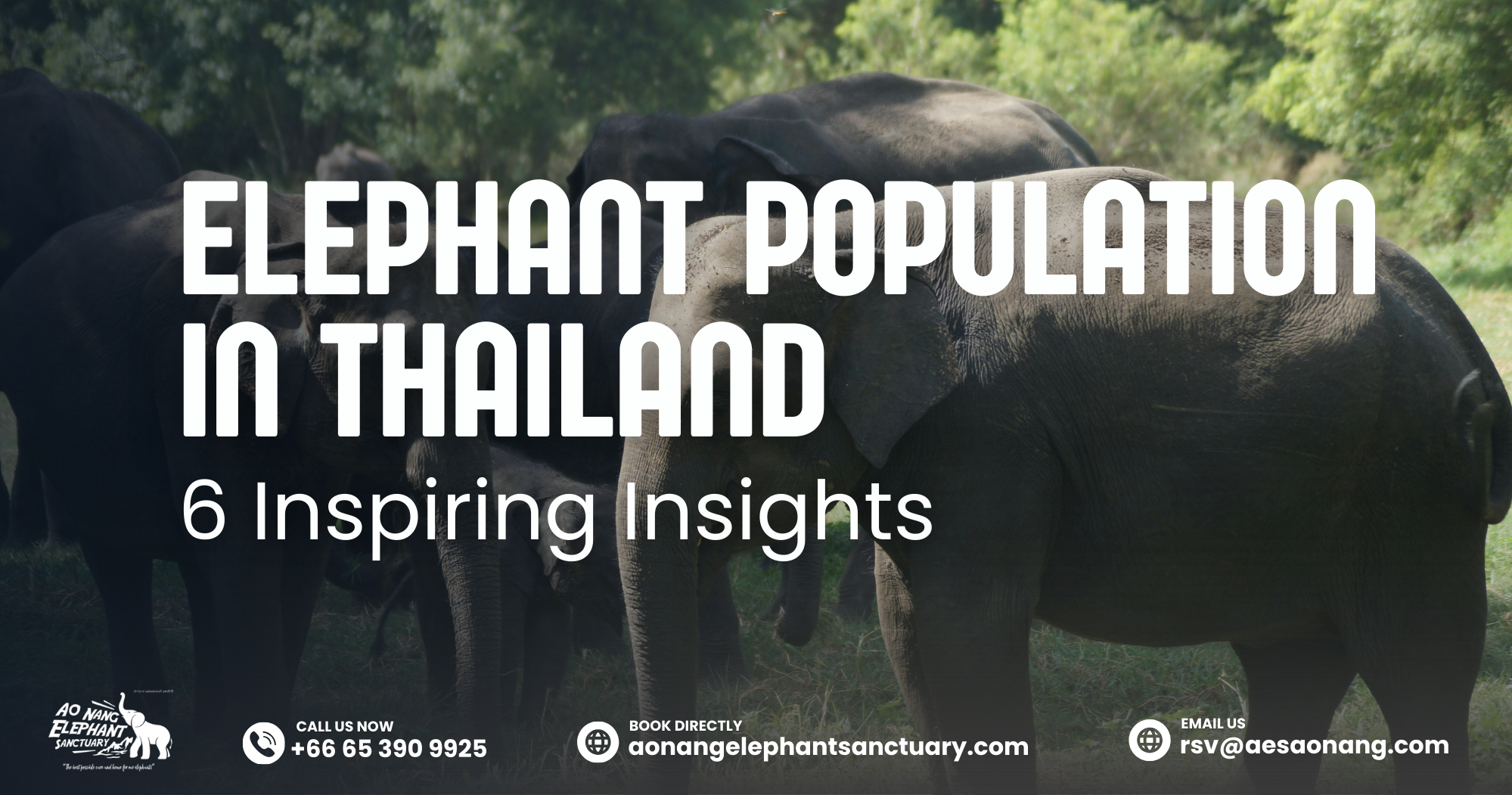
Thailand’s history, culture, and ecology deeply intertwine with the elephant population. For generations, the elephant has been the symbol of the nation, strength, and wisdom, but their survival is at risk today. Elephants that were once free to roam the extensive forests are now surviving in isolated pockets of forest or under human care.
Reflecting on the past and focusing on the present situation, while considering the differences between wild and captive elephants and the conservation challenges shaping the future of these species, will help residents and visitors to Thailand understand the elephant population there.
This is a great issue not just to be addressed from the perspective of animal rights, but also from the perspectives of sustainable tourism and environmental balance.
The Past Of Elephants In Thailand
Thailand, in the past, was home to a much larger population of elephants. Wild elephants’ living habits were great when forests were dense and covered most parts of the country. Elephants played a crucial role in various sectors such as transportation, warfare, agriculture, and royal ceremonies. Besides ruling the country, the kings also measured their power through the elephants they owned—especially the white ones that were considered sacred.
During the 19th and 20th centuries, the logging industry transformed elephants into its central figures. Thousands of elephants were utilized for transporting teak from forests, which therefore increased the captive population; meanwhile, the wild elephant population kept on going down. Their heavy use exacerbated the situation, causing habitat destruction and disrupting natural breeding patterns. In 1989, when Thailand stopped commercial logging, the working elephants lost their traditional roles.
How Many Elephants Are There In Thailand In The Present Day
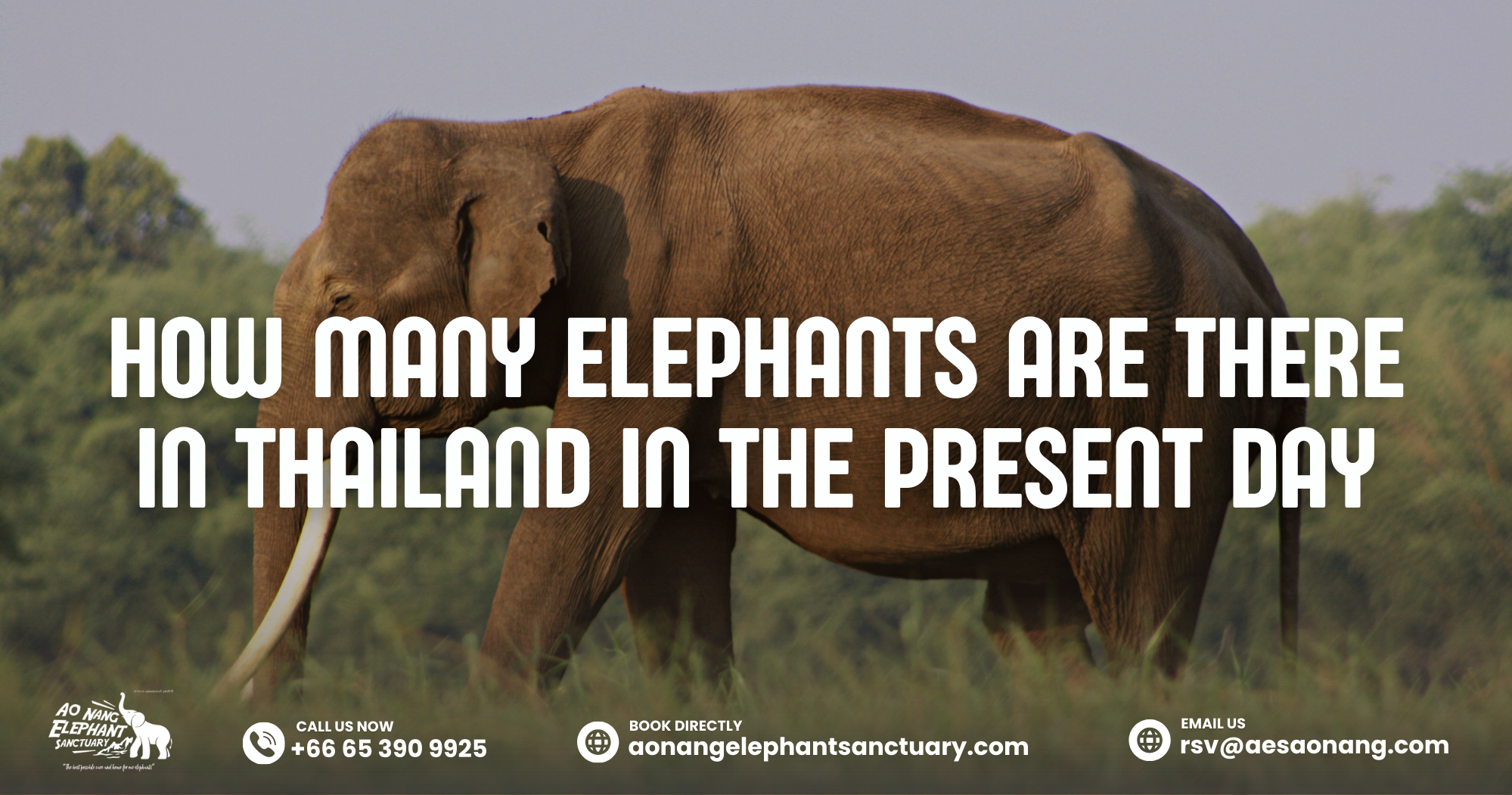
It is believed that there are about 6,000 to 7,000 elephants in Thailand today. This number accounts for both the wild and the captive elephants. This is a sharp decline in comparison with the past. The continuous population growth is hindered not only by loss of habitat but also by human-elephant conflicts and low fertility rates despite law enforcement.
The wild and captive settings now split the elephant population in Thailand almost equally. This balance brings about particular conservation issues, as each group has its own set of problems. Giving the elephants the right to live and the means to live will take the implementation of separate strategies specific to the environment of each group, and not one common solution.
Captive Elephant Population In Thailand
There are about 2,500 to 3,000 captive elephants in Thailand today. These animals are found in the hands of individuals, conservation centers, tourist facilities, sanctuaries, etc. Most of them are either the descendants of former logging elephants or have been raised in captivity since the logging ban was introduced.
Since captive elephants are dependent on humans, they are not capable of surviving in the wild on their own. They need to be fed, medically attended to, and sheltered. How well their lives turn out depends on the caretakers and how responsibly they are managed.
Endangered Status Of Elephants in Thailand
Asian elephants are recognized as one of the endangered species by the International Union for Conservation of Nature (IUCN) and the National List of Endangered Species in Thailand. However, even if the Thai government has taken legal measures to protect the elephant population, the status of elephants in the country is still under a lot of pressure.
Wild elephants usually are protected by the wildlife laws, but when it comes to captive elephants, the laws that regulate them are different, which leads to a lot of problems regarding the enforcement of the law.
Major Conservation Issues Facing Elephants
Habitat loss is the problem that is threatening elephants the most in Thailand. The causes of this problem are farming, the building of roads, and the development of cities, which means less forest and the breaking up of the paths that animals use to move around. Disconnecting these elephant routes is likely to lead to increased conflict between elephants and humans.
The conflicts that the local people have with elephants include things like physical injuries and deaths, as well as damage to property on both sides. Farmers lose their crops when elephants come to eat, and in return, elephants get killed or injured when they are retaliated against or when they have accidents. The solution nowadays is to allow coexistence among humans and elephants through different methods, such as land-use planning, the installation of warning systems, and educating the local people.
Role Of Sanctuaries And Ethical Tourism
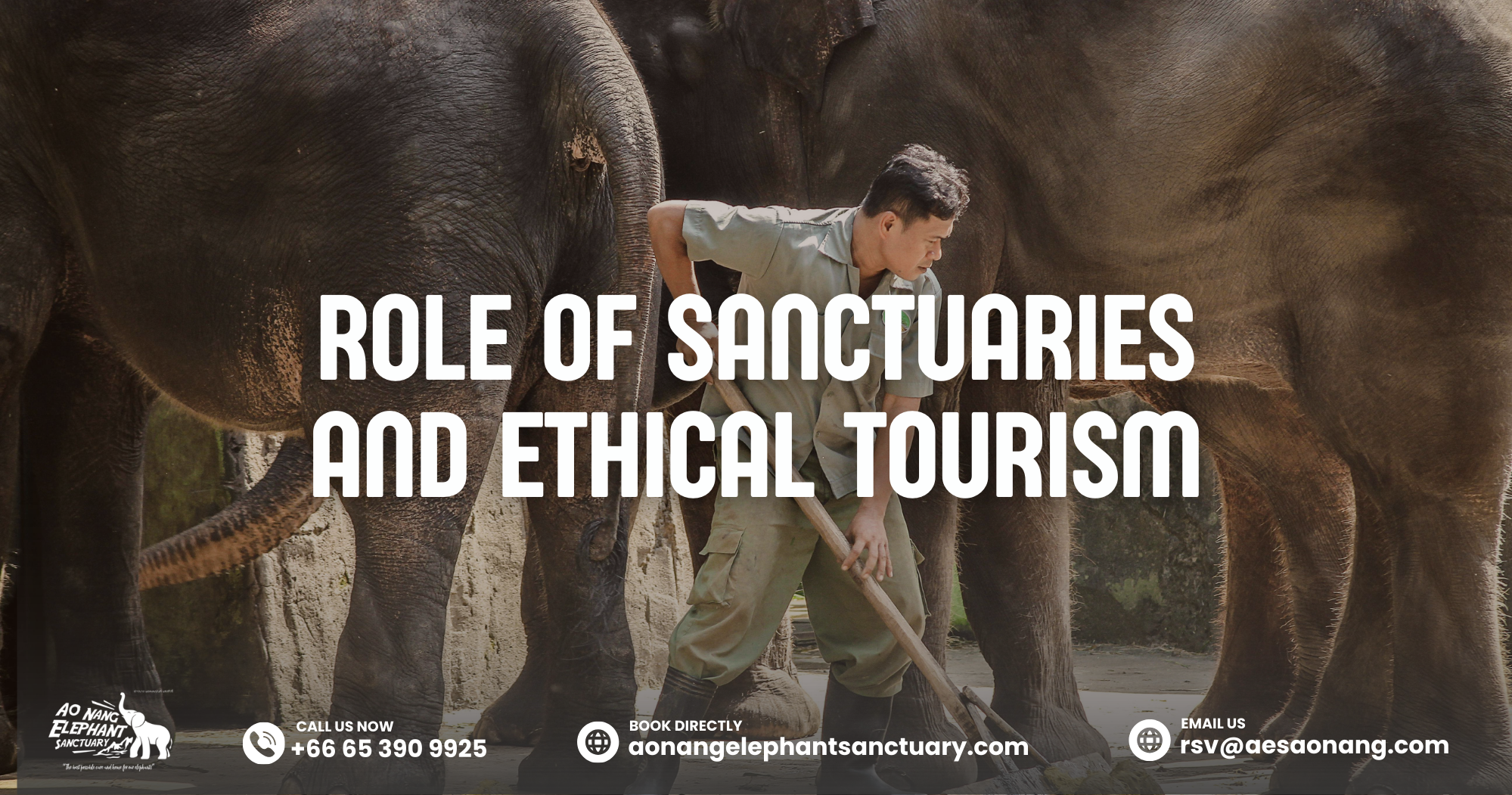
Recently, the focus has been on the role of sanctuaries in the care of captive elephants in Thailand. Good ethical sanctuaries take special elephants out of bad situations, such as the jungle used for logging, street begging, or being exploited for tourism, and then they give these animals a natural home for the rest of their lives.
Good tourism generates funds to finance the elephants’ food, medicine, and natural habitat. At the same time, tourists learn about the elephants’ behavior as well as the issues of elephant conservation that change the general public’s perception of nature conservation.
Reproduction And Population Growth Challenges
Because the reproduction rate of elephants is very slow, their population is only going to grow at a gradual pace. Female elephants reach sexual maturity at about ten to fifteen years, and then, after a very long pregnancy, which is almost twenty-two months, they give birth. The babies are totally dependent on their mother for several years. So, it should be natural for the mother not to have multiple pregnancies in such short intervals.
In the wild, animals reproduce at a higher rate when the environment is of good quality and there are no predators. On the contrary, captive breeding cannot be based solely on genetics; on the other hand, the welfare of the animals must be the primary concern.
Government And Community Conservation Efforts
Thailand has initiated several measures in the conservation of its wild elephants. These measures are to make sure that the elephants have places where they can live safely. To make the efforts successful, local people have been involved in the programs to help monitor elephant movements and reduce conflicts between the two.
Education plays a pivotal role in such conservation efforts. Providing information to local communities about elephants and their ways of living, followed by community engagement, helps eliminate mistrust and fear. Besides that, farmers who get compensation for their damaged crops are less likely to be the ones retaliating against the animals. Therefore, it is of utmost importance that government agencies, conservation organizations, and local communities always collaborate.
Future Outlook For The Elephant Population In Thailand
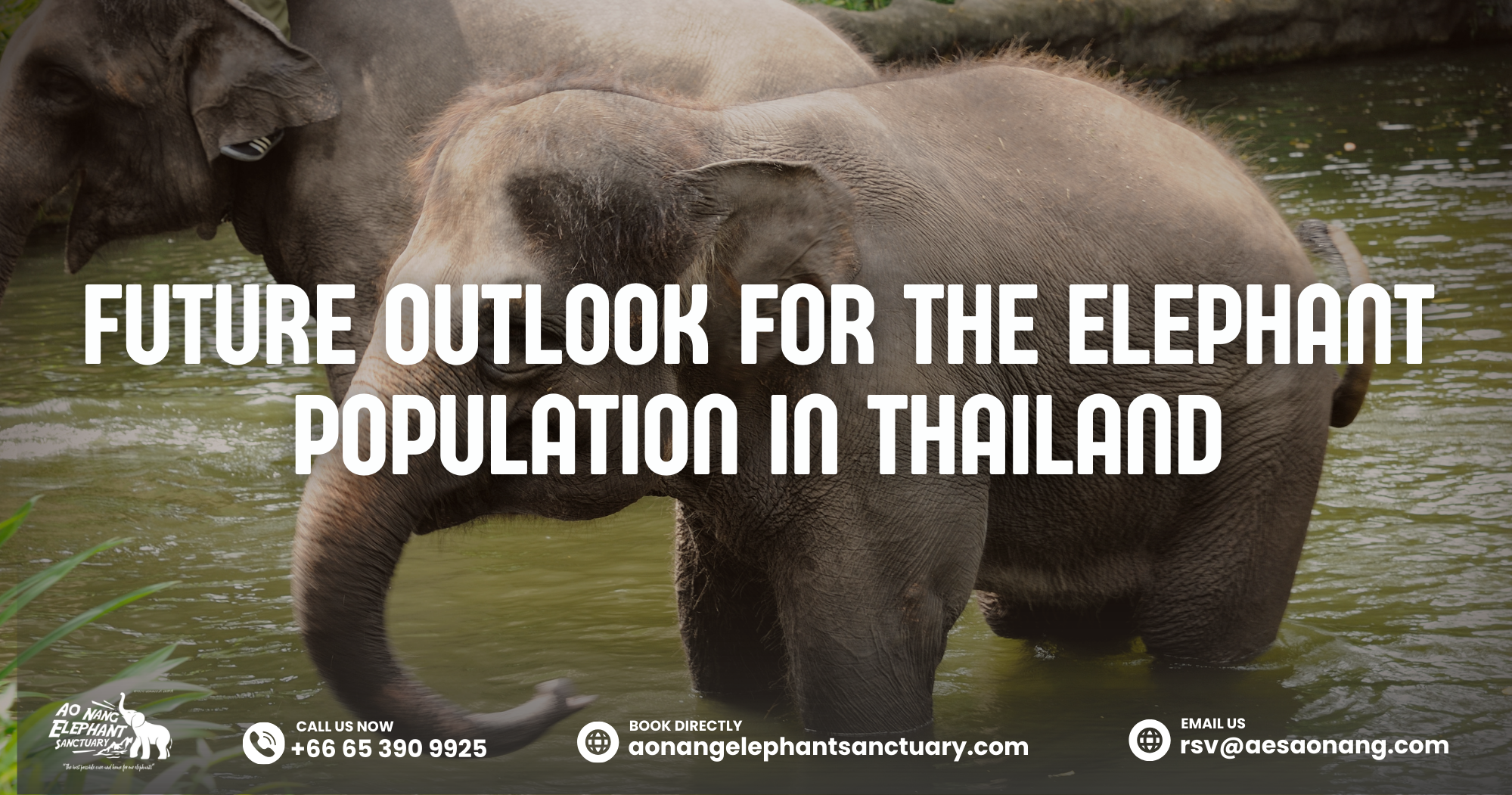
The future of the elephant population in Thailand depends greatly on how conservation is kept up to date. Besides forest protection, there is a need to improve the living conditions of captive elephants and also work on the resolution of human-elephant conflicts. The elephant population may stabilize or even begin to gradually grow if these efforts prove successful.
People’s level of awareness, as well as the decisions that tourists make, also contributes to the situation. Only by choosing to participate in ethically run ecotourism activities can one contribute to the conservation of elephants. To bring about a desirable result, it will require informed policymaking, mutual cultural understanding, and shared commitment.
Reserve your spot now to get a chance to meet Asian elephants!
- Phone: +66 65 390 9925
- Email: [email protected]
- Book directly at aonangelephantsanctuary.com