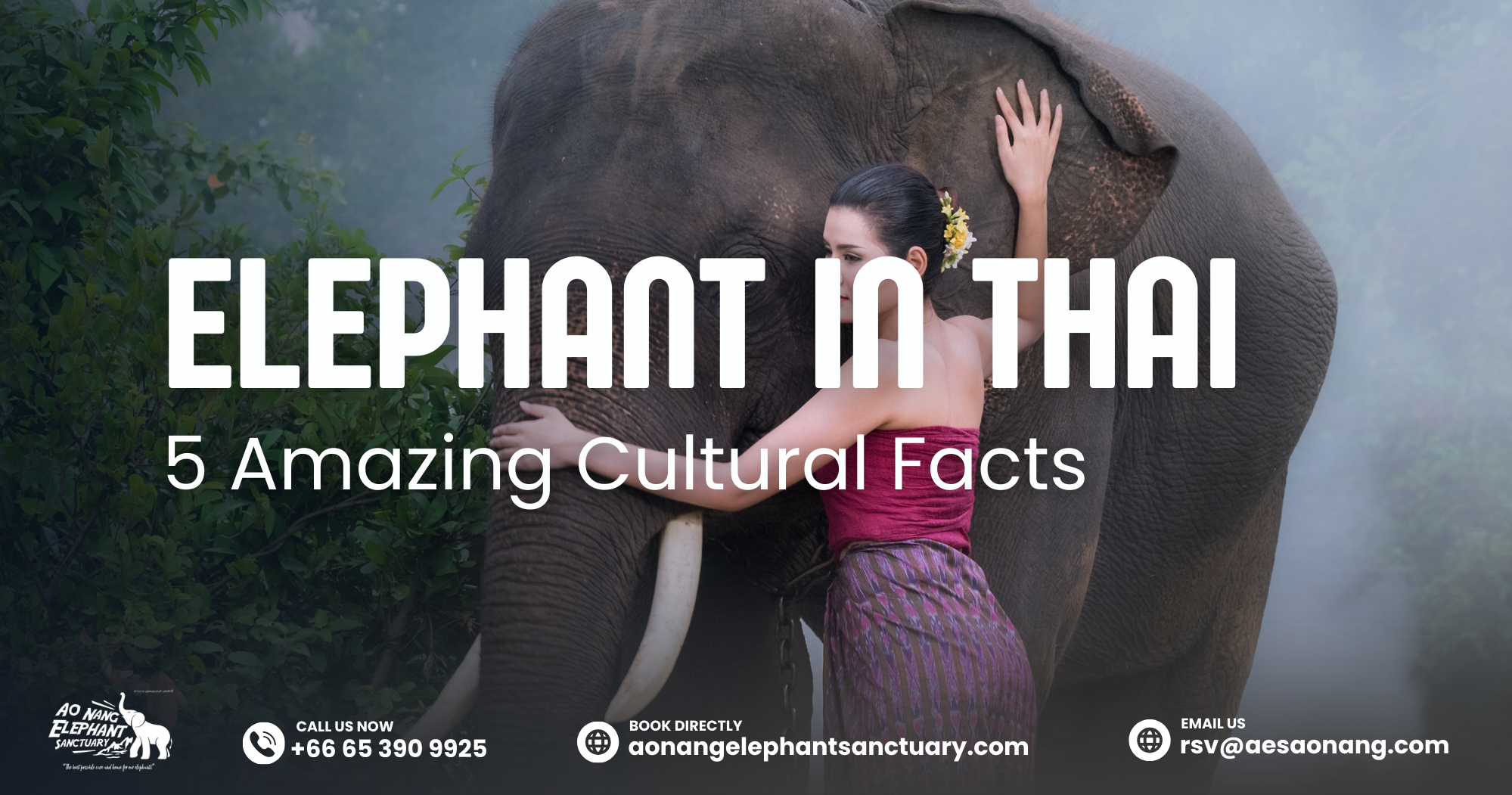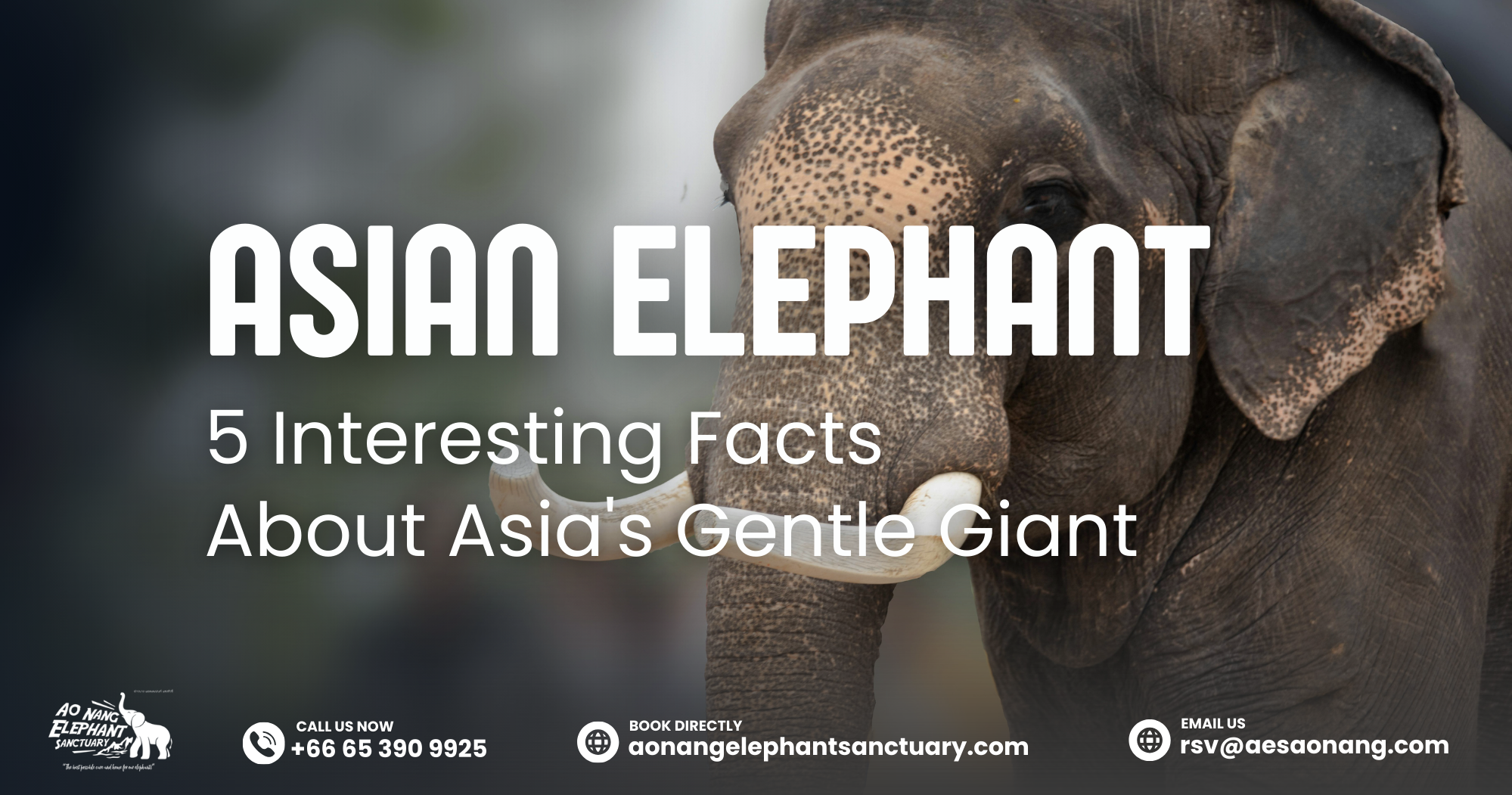
Elephants of the Asian species are considered some of the largest, most magnificent creatures on the planet. Besides, they have caught the attention of people for their prodigious memory, reasoning abilities, and intellect. Actually, since the dawn of history, these pachyderms have been humankind’s trusty partners throughout the whole of Asia.
They are not alone in the first place, wherever they may be, be it the dense forest or the wide-open grassland, since they play a role in helping to maintain the balance of nature.
Even if they have enormous cultural importance and are nature’s value to nature, Asian elephants are still facing very serious threats today. One of the biggest dangers to their survival is the destruction of their habitats. Other factors include confrontation with humans and changes of environment that have also become reasons for their existence being in jeopardy, to name a few. Understanding the amazing features and behaviors of the Asian elephant is one way of communicating their conservation.
First, let us highlight some reasons why you can love these magnificent animals, the Asian elephants: their characteristics, major differences with African elephants, habitat, reasons for their endangerment, and natural behavior.
What Features Stand Out For The Asian Elephant?
The Asian elephant (Elephas maximus) is indeed the largest amongst all the land animals in Asia. These progressive creatures not only possess immense size but also exhibit profound emotion and remarkable intelligence. Besides many other qualities, Asian elephants have excellent memories and are capable of learning new things rapidly.
Elephants can remember paths to migration, locations of water, and even the faces of people for a very long time. This excellent memory is one of the main reasons for their survival, even when the conditions are continually changing.
They are innately social and normally form family units, which are very tightly knit. The female leader, or matriarch, is the one in charge of overseeing family groups. Apart from leading and shielding the younger ones, the matriarch’s duties include teaching the herd and figuring out the direction to move, among other things.
Without a doubt, the elephant’s trunk is also a major characteristic of the animal. The muscles in the trunk far exceed in number the count of hundreds. Some of the operations of the trunk include breathing, smelling, grasping food, drinking, and communicating with other elephants.
Elephants are also very emotionally rich and therefore very sensitive. They communicate their feelings in various ways, such as empathy, cooperation, and even mourning when a member of the herd dies.
What Makes The Asian Elephant Different From The African Elephant?
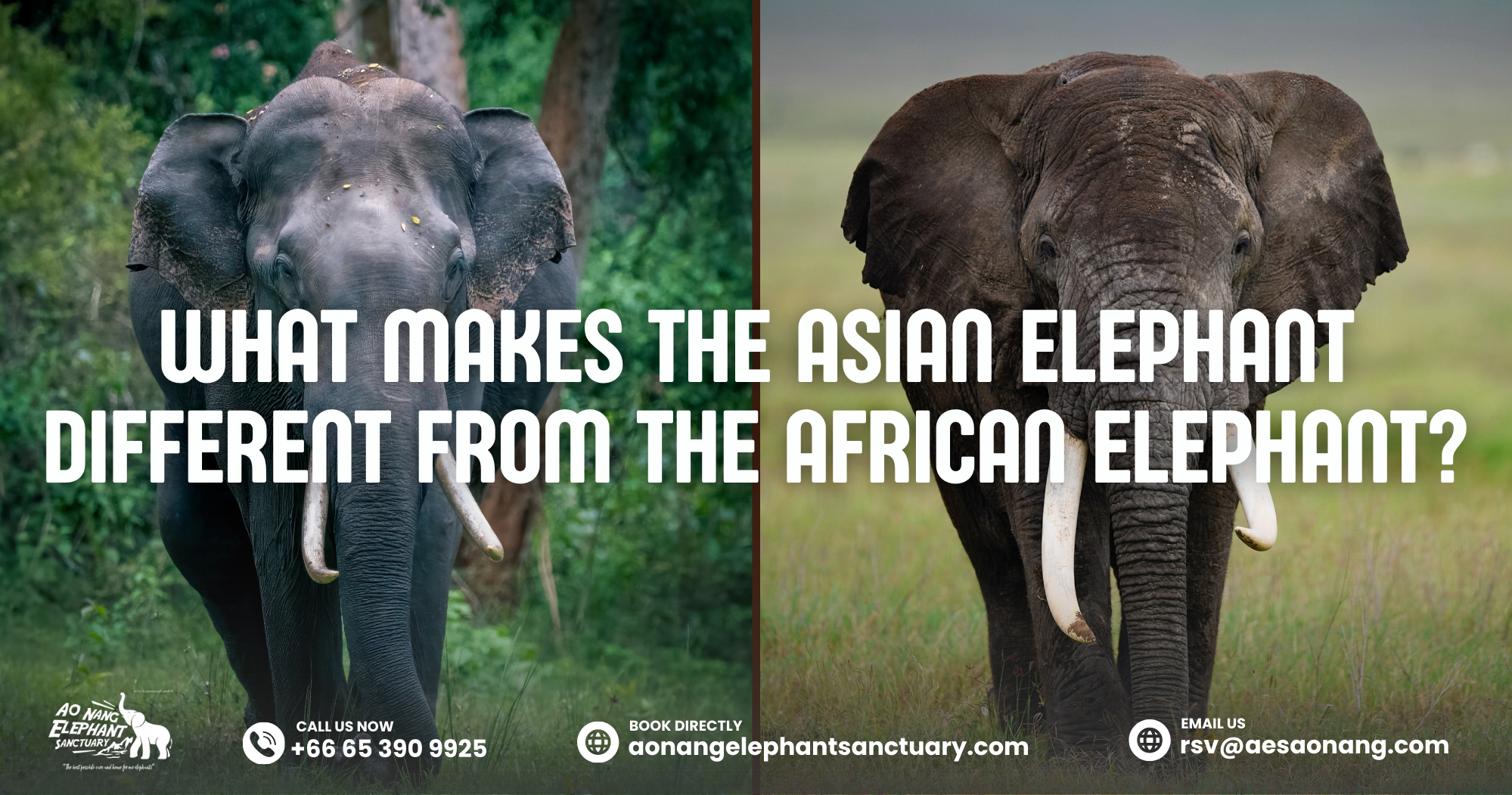
Although they share some similarities in their features, Asian and African elephants can be easily differentiated in many other aspects.
Size
As a rule, African elephants are bigger than Asian ones. They can reach very tall heights of around 4 meters (13 feet), while Asian elephants’ height is mostly a bit less.
Ears
The very shape of the ears may serve as a key indicator of the type of elephant. African elephants possess huge ears shaped somewhat like the African continent. Whereas the ears of Asian elephants are smaller and have a more rounded shape.
Head Shape
Asian elephants are known for their twin-domed head, which is an unusual feature. In contrast, African elephants’ heads are usually characterized by a single dome that is smooth.
Tusks
In African elephants, it is normal that both males and females have tusks. On the other hand, in Asian elephants, only some males grow big tusks, and quite a few females and some males have very small tusks or no tusks at all.
Trunk Tip
Whereas African elephants’ trunks have two finger-like projections at the end, Asian elephants’ trunks have just one tip, which serves a helpful function in grasping objects.
Each species is adorned with its own remarkable features as well as certain recollections of its joint evolution.
Where Do Asian Elephants Live?
One can trace Asian elephants all over mainland Asia and the adjacent islands of Southeast Asia. Over time, their old distribution, which primarily spanned from the Middle East to China, has drastically reduced to a handful of areas.
At present, they appear in 13 countries, such as
- India
- Sri Lanka
- Thailand
- Myanmar
- Nepal
- Bhutan
- Bangladesh
- Malaysia
- Indonesia
- Cambodia
- Laos
- Vietnam
- China
Their usual choices of habitats are
- Tropical forests
- Grasslands
- River valleys
- Mountain foothills
All these habitat types furnish enough vegetation and water to sustain elephants most of the year. Since food is a major determinant of how much home range an animal needs, elephants can cover very long distances when foraging. Nowadays, areas such as national parks and wildlife reserves are the mainstay of elephant conservation.
What Is Asian Elephant Behavior Like In The Wild?
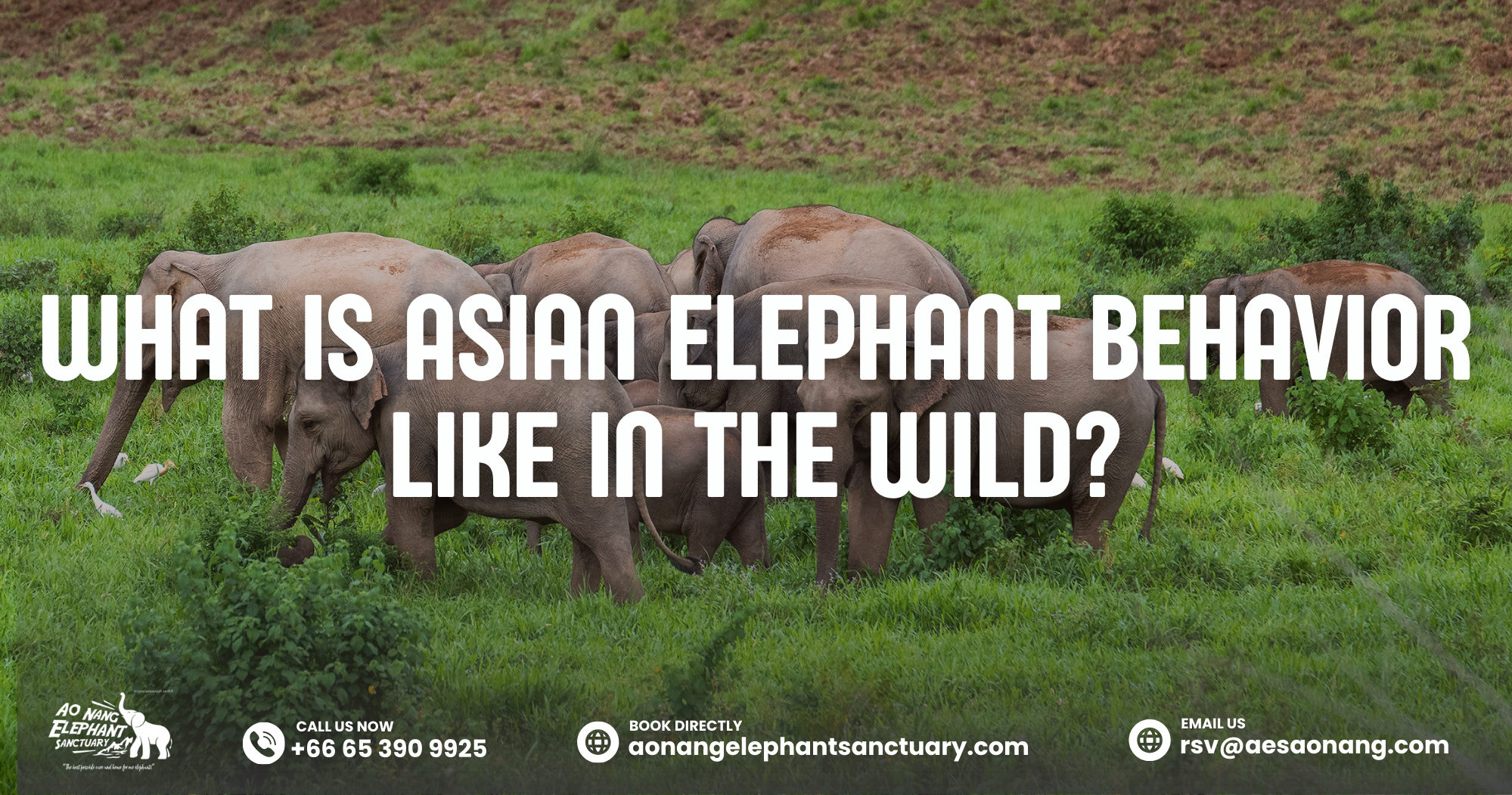
Observing Asian elephant behavior in their natural environment can show their capability of thinking and their closeness within families.
Social Structure
Elephants live in groups that are headed by a female. The group consists of mothers, daughters, sisters, and calves. The oldest female, or matriarch, is the leader of the group. It is her knowledge and experience that the group depends on when looking for food and water. After reaching puberty, male elephants usually separate themselves from the group and lead a solitary life or form groups of bachelors.
Communication
Asian elephants use a range of sounds and signals for communication. Such as:
- Trumpeting calls
- Low-frequency rumbles
- Body language
- Touch with their trunks
Some of their low-frequency rumbles can go through the ground and be heard by other elephants from miles away.
Daily Activities
Elephants’ main daily routine is to seek food and eat. For example, they eat about 150–200 kilograms (330–440 pounds) of plants daily. On top of that, they enjoy bathing and playing in water, which cools their bodies besides giving them a layer of protection against parasites.
Not only the mother elephant alone loves and sustains a baby elephant, but also all the elephants collectively parent the baby. Besides Mom, aunties, and older siblings also help to protect and guide the babies during their growth. Such communal care of infants builds closer relationships among the group members and also ensures the survival of the future generation.
Why Are Asian Elephants Endangered?
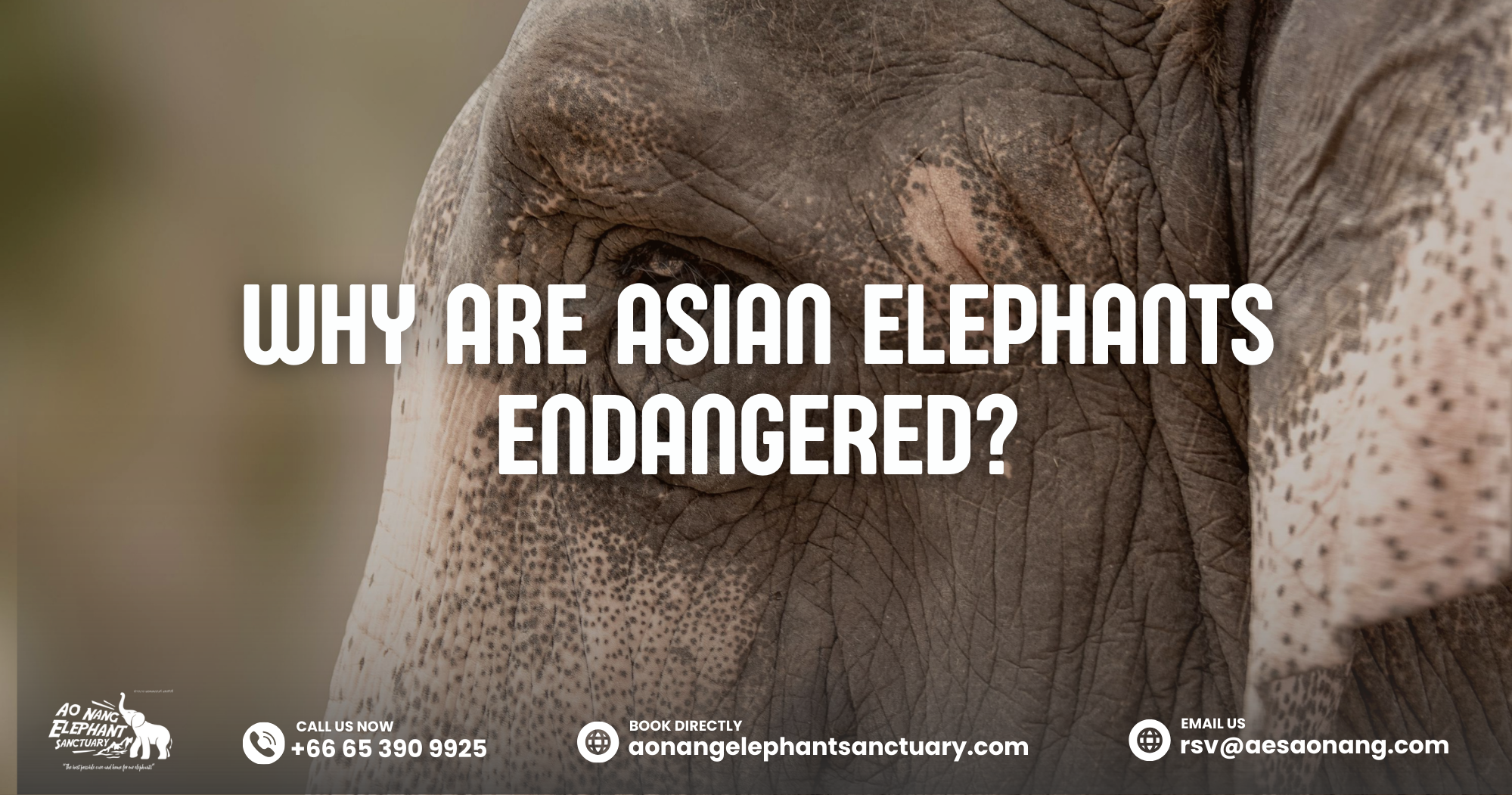
Asian elephants face a significant risk of extinction, as their numbers have dropped drastically over the last 100 years. There are a number of factors that are largely responsible for their decline.
Habitat Loss
Expanding cities, farms, and logging operations have drastically reduced elephant habitats. Elephants suffer the consequences of shrinking forests by losing not only their source of food but also their traditional migration paths.
Human-Elephant Conflict
Some elephants, in their quest for food, end up in the fields and houses of humans, resulting in crop and property damage and conflicts. There have been instances when these conflicts have led to the death or injury of both humans and elephants.
Illegal Capture And Trade
Despite being illegal in most areas, the capture of elephants for the purpose of tourism or entertainment still goes on. Baby elephants are occasionally taken away from their mothers, causing them to be stressed and traumatized even long after separation.
Fragmented Populations
Creating roads, farms, and other infrastructure is a cause for the division of elephant habitats into smaller, isolated sections. This separation leads to not only the isolation of herds but also a decline in their genetic diversity.
Conservation efforts aim to protect elephant habitats, create wildlife corridors, and reduce conflicts between humans and elephants.
Reserve your spot now to get a chance to meet Asian elephants!
- Phone: +66 65 390 9925
- Email: [email protected]
- Book directly at aonangelephantsanctuary.com